 USD
USD  GBP
GBP  CAD
CAD  AUD
AUD 

Starting or growing a natural beauty business means understanding what you're selling. For small business owners working with African ingredients, product knowledge isn't just helpful, it's what separates successful entrepreneurs from those who struggle to connect with customers.
Whether you're stocking a boutique, building a spa service menu, or creating your own product line, knowing the difference between raw shea butter and refined, or understanding why chebe powder matters to your natural hair customers, helps you make smarter purchasing decisions and answer customer questions with confidence.
This guide covers the core African natural beauty ingredients that form the foundation of many successful U.S. beauty businesses. You'll learn what makes these ingredients different, how they're traditionally used, and most importantly, how to turn that knowledge into business opportunities.
Understanding Raw vs. Processed African Ingredients
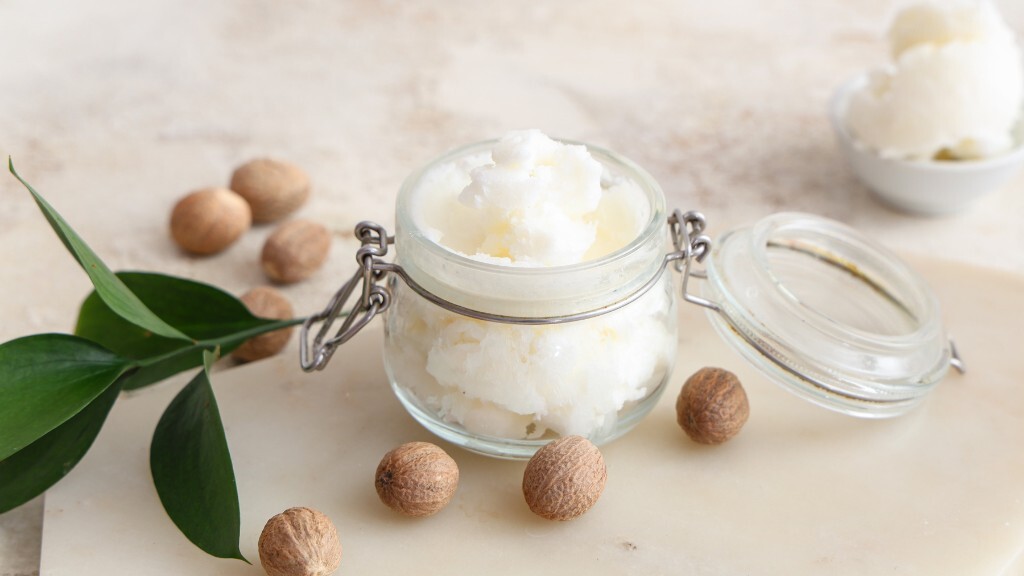
The first decision you'll make when sourcing African beauty ingredients is whether to stock raw or processed versions. This choice affects your pricing, your customer base, and how you position your products.
Raw Shea Butter vs. Refined: Quality and Business Implications
Unrefined shea butter keeps its natural color (typically ivory or light yellow), nutty scent, and full range of naturally occurring nutrients. Raw shea butter is cold-pressed and filtered but not chemically processed. Many customers specifically seek out unrefined options because they want ingredients that are closer to their traditional form.
Refined shea butter goes through additional processing that removes color and scent, creating a white, odorless butter. This works well for customers who want a neutral base for adding their own scents or who prefer a lighter texture.
From a business standpoint, unrefined shea butter often commands higher prices because customers view it as more authentic. However, refined butter has its place; it's better for customers making products where they don't want competing scents, like when adding fragrance oils.
Business tip: Stock both types if your budget allows. Unrefined for natural product purists, refined for DIY formulators and those making scented products. Make sure your product descriptions explain the difference clearly so customers know exactly what they're getting.
Unrefined African Oils: Maintaining Traditional Potency
Cold-pressed, unrefined oils like baobab oil, moringa oil, and black seed oil retain more of their naturally occurring properties compared to refined versions. The trade-off is that unrefined oils typically have shorter shelf lives once opened. Our guide on essential oil expiration and storage covers how to manage this for your business.
For your business, this means proper storage matters. Keep unrefined oils in cool, dark places and educate your customers to do the same. Some business owners turn this into a selling point by positioning these oils as fresh, small-batch ingredients rather than mass-produced products.
Whole vs. Powdered Ingredients: Chebe, Herbs, and Traditional Preparations
Ingredients like chebe powder, African herbs, and traditional preparations come in different forms. Whole chebe seeds require customers to grind them at home. Pre-ground powder offers convenience but may have a shorter shelf life once opened.
Your choice depends on your customer base. Spa owners and massage therapists usually prefer ready-to-use powders. DIY enthusiasts and those focused on maximum freshness might seek whole ingredients. Understanding this helps you stock the right inventory mix.
Shea Butter Basics: The Foundation of African Skincare Business
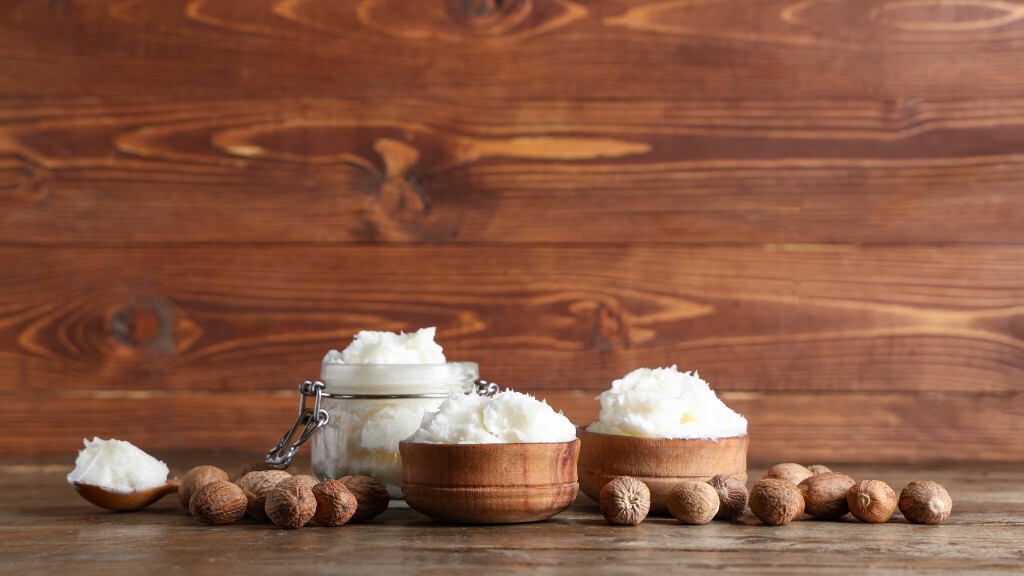
Shea butter is often the first African ingredient small business owners work with, and for good reason. It's well-known to U.S. customers, has a long shelf life, and works in dozens of product applications.
Origins and Traditional Uses of Shea Butter
Shea butter comes from the nuts of shea trees grown across West Africa, particularly in Ghana, Burkina Faso, and Nigeria. Women in these communities have been harvesting and processing shea nuts for generations, using traditional methods passed down through families.
In these communities, shea butter serves as an all-purpose skin protectant, hair treatment, and cooking fat. For a deeper look at how shea butter helps both skin and hair, see our complete guide to shea butter benefits for skin and hair. This cultural heritage adds authenticity to your marketing; customers appreciate knowing their purchase supports these traditional production methods and the women who practice them.
Modern Applications for DIY Skincare Ingredients
U.S. customers use shea butter in countless ways:
- Body butters and moisturizers: The most common application, often blended with fragrance oils or essential oils
- Hair treatments: Leave-in conditioners, hot oil treatments, edge control products
- Soap making: Cold process and melt-and-pour soap recipes
- Balms and salves: Lip balms, muscle rubs, healing balms for dry skin
- Bath and body products: Sugar scrubs, whipped body creams, lotion bars
Each application represents a potential product line for your business.
Business Opportunities: From Bulk to Branded Products
Many successful beauty businesses started by purchasing bulk shea butter and repackaging it into smaller containers with private labels. The profit margins are strong because wholesale shea butter costs significantly less per ounce than what customers pay retail.
You can also add value by:
- Creating signature blends (shea butter whipped with specific oils)
- Offering scented versions using fragrance oils
- Making ready-to-use products like body butters or hair treatments
- Teaching workshops on how to use raw shea butter
Start with straightforward repackaging to test the market, then expand into value-added products as you learn what your customers want.
Sea Moss Skincare: The Superfood Beauty Ingredient
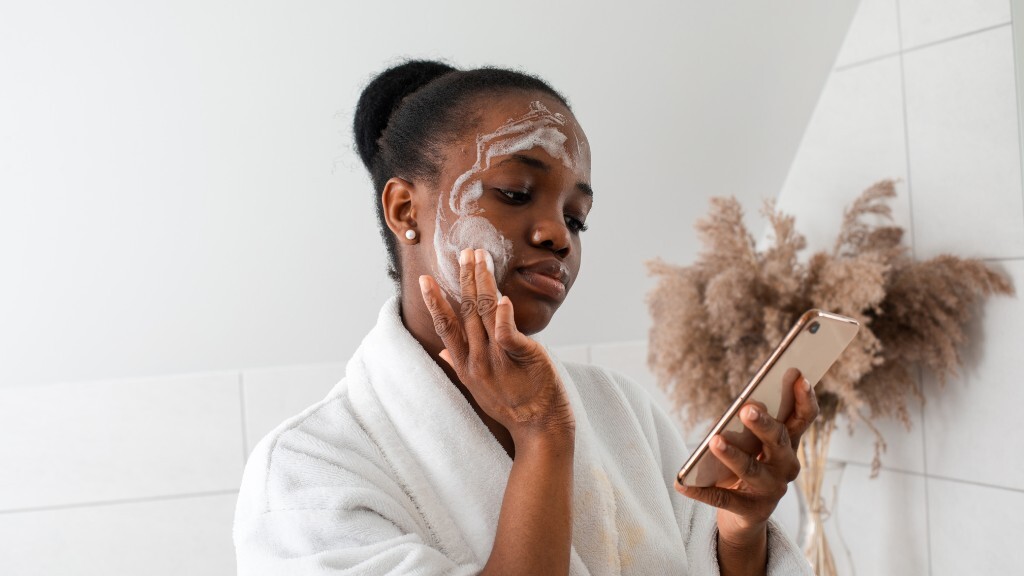
Sea moss has gained significant attention in recent years thanks to the growing interest in sea moss health benefits, creating strong business opportunities for entrepreneurs who understand how to source, use, and market it properly.
Understanding Sea Moss Quality and Sourcing
Sea moss (also called Irish moss) grows in Atlantic coastal waters. The quality varies based on how it's harvested, cleaned, and dried. Wildcrafted sea moss tends to be more valued than pool-grown varieties, though both have their market.
When sourcing sea moss for your business, look for products that are thoroughly cleaned but minimally processed. The moss should be free of visible salt and debris, and maintain its natural color variations, which can range from gold to purple to green depending on the variety.
Business consideration: Sea moss requires customer education. Many buyers don't know how to prepare it or what to look for in quality products. Business owners who provide clear instructions and quality information often build more loyal customers.
Traditional and Modern Beauty Applications
Sea moss is traditionally believed to be rich in minerals that many people use in face masks, hair treatments, and bath soaks. Some customers also consume it as a nutritional supplement, though your beauty business should focus on external applications to stay clear of dietary supplement regulations.
Popular beauty uses include:
- Gel face masks (made by soaking and blending sea moss with water)
- Hair conditioning treatments
- Bath additives for mineral-rich soaks
- Base ingredients for DIY serums and lotions
Market Positioning and Customer Education
Sea moss appeals to health-conscious consumers interested in natural wellness. Your marketing should emphasize mineral content, traditional use, and versatility, but be careful not to make specific health claims.
Social media works well for sea moss products. Visual content showing preparation methods and usage ideas helps demystify the product and encourages purchases. Consider creating simple instruction sheets or short video tutorials to include with purchases.
Chebe Powder for Hair: Capitalizing on Natural Hair Movement
Chebe powder has become highly sought after in the natural hair community, creating strong opportunities for businesses serving customers with textured hair.
Traditional Chadian Hair Care Secrets
Chebe powder comes from Chad, where Basara women have used it for centuries to maintain long, healthy hair. The powder is made from ground Croton Zambesicus seeds mixed with other indigenous ingredients.
This traditional background gives chebe powder a compelling story and is one that resonates with customers seeking authentic African beauty practices. The cultural heritage adds value beyond the functional benefits.
Modern Hair Care Applications and Benefits
In the U.S. natural hair community, people use chebe powder primarily for length retention and hair strengthening. The typical application involves mixing the powder with oils or butters to create a paste that's applied to the hair and scalp.
Customers use chebe powder in:
- Pre-poo treatments before washing
- Hot oil treatments
- Leave-in conditioning mixes
- Protective style maintenance
- Scalp treatments
The natural hair market is substantial and dedicated. Customers often try multiple products before finding what works, and they share recommendations within their communities.
Business Applications: Products and Services
Beyond selling raw chebe powder, business opportunities include:
- Pre-mixed chebe treatments: Powder already blended with carrier oils, ready to use
- DIY kits: Chebe powder packaged with complementary oils and instructions
- Hair services: Salons and natural hair care professionals offering chebe treatments
- Workshops: Teaching customers how to create their own chebe mixes at home
The key is making chebe accessible. Many customers are curious but unsure how to use it. Business owners who provide guidance and ready-to-use options often see stronger sales than those who simply stock raw powder.
Coconut Oil Uses: The Versatile Beauty Essential
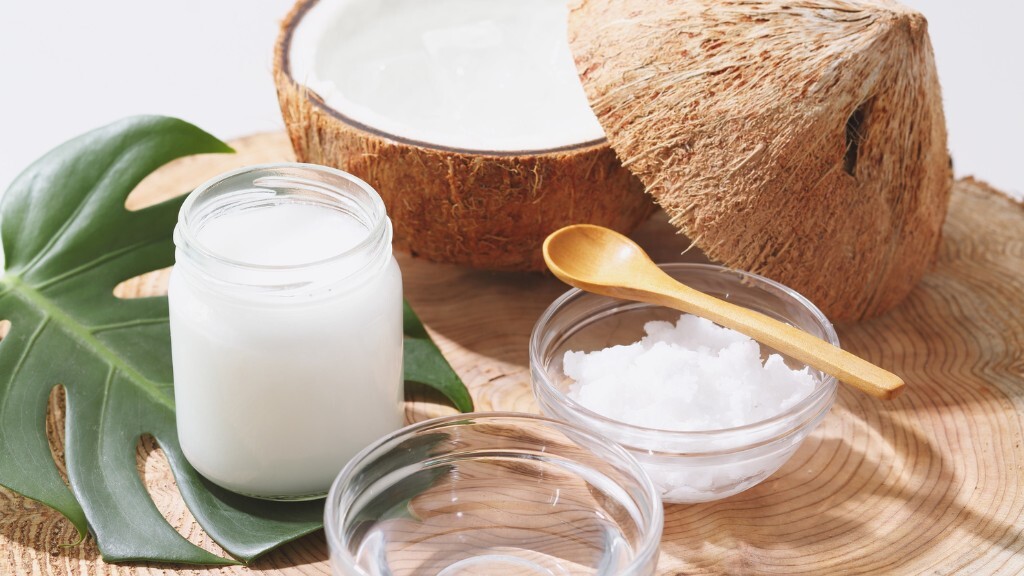
Coconut oil needs little introduction to U.S. consumers, but understanding regional differences and business applications helps you stock and market it effectively.
African vs. Global Coconut Oil: Regional Differences
While coconut oil is produced worldwide, African coconut oil may have different processing methods and characteristics compared to Asian or Pacific varieties. Some customers specifically seek African-sourced products to support trade with African communities.
Cold-pressed, unrefined coconut oil maintains its characteristic coconut scent and flavor. Refined coconut oil is processed to remove scent and has a higher smoke point. For beauty applications, most customers prefer unrefined oil, though refined oil works well in products where the coconut scent might compete with added fragrances.
Multi-Purpose Applications for Beauty Businesses
Coconut oil works as:
- A standalone moisturizer for hair and skin
- A carrier oil for essential oils and fragrance oils
- A base ingredient in soaps, lotions, and body butters
- An oil-pulling product for oral care routines
- A makeup remover and facial cleansing oil
This versatility makes it a staple inventory item that appeals to multiple customer segments.
Profit Strategies: Volume Sales and Product Integration
Coconut oil typically has lower profit margins than specialized ingredients because it's widely available. However, it drives volume sales and repeat purchases. Many customers buy coconut oil regularly, creating reliable revenue.
Use coconut oil strategically:
- Stock it to draw customers who then discover your other African ingredients
- Bundle it with complementary products (like chebe powder or essential oils)
- Create value-added products where coconut oil is a base ingredient
- Offer multiple sizes from sample to bulk to accommodate different customer needs
African Black Soap: Traditional Cleansing for Modern Markets
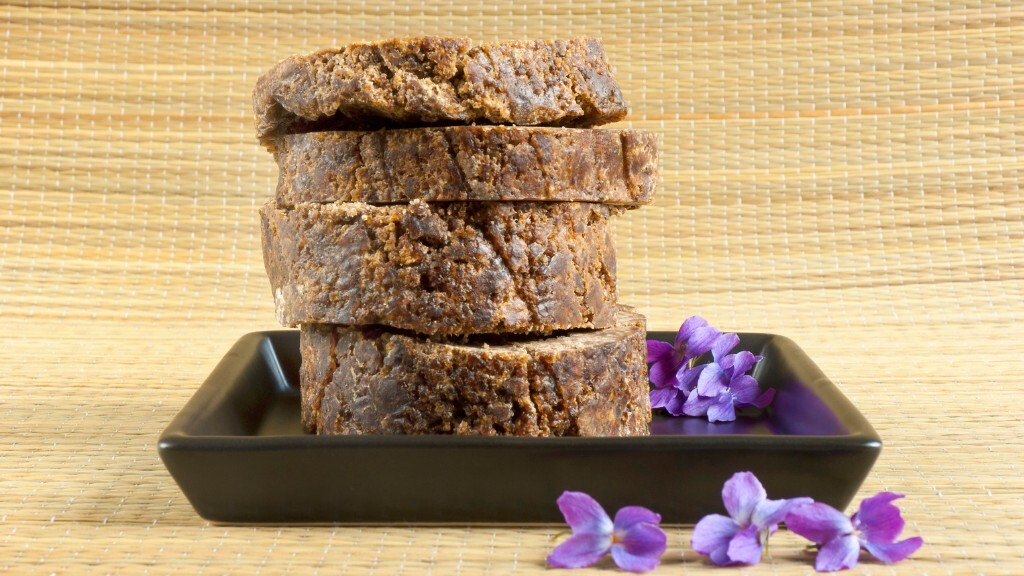
African black soap has a dedicated following among natural skincare enthusiasts, creating consistent business opportunities.
Regional Variations and Quality Indicators
Authentic African black soap comes primarily from Ghana and Nigeria, though recipes vary by region. Traditional black soap is made from plantain skins, cocoa pods, palm oil, and shea butter, which are roasted and combined with water.
Real African black soap is typically brown rather than black (despite the name), has a slightly rough texture, and may crumble easily. Be cautious of products claiming to be African black soap that are uniformly black or perfectly smooth; these are often commercially produced imitations.
Quality indicators for your inventory:
- Irregular shape and texture (handmade appearance)
- Brown or dark gray color, not pure black
- Slightly soft texture, may crumble
- Subtle, earthy scent without added fragrance
- Comes from verified African suppliers
Customer Education and Usage Guidance
African black soap works differently from commercial soaps. It can be drying if used incorrectly, and some customers experience a brief adjustment period. Smart business owners provide clear usage instructions:
- Use a small amount—a little goes a long way
- Work into a lather with water
- Follow with moisturizer, especially for dry skin types
- Start by using every other day if the skin is sensitive
- Avoid eye contact as it can sting
Customers who know how to use African black soap properly become repeat buyers. Those who don't may think the product didn't work for them. Your guidance makes the difference.
Retail Strategies and Market Positioning
African black soap appeals to customers seeking natural cleansers without harsh chemicals. Position it for customers concerned about:
- Synthetic ingredients in commercial soaps
- Acne-prone or oily skin types
- Natural alternatives to chemical exfoliants
- Supporting traditional African production methods
Many successful businesses cut larger bars into smaller pieces for sampling or sell both whole bars and chunks at different price points. This lets customers try the product without committing to a full bar.
Building Your Natural Beauty Essentials Product Line
Once you understand individual ingredients, the next step is building a coherent product line that serves your customers' needs while supporting healthy profit margins.
Selecting Core Ingredients for Business Success
Start with three to five core ingredients that:
- Have proven demand in your target market
- Complement each other for bundling opportunities
- Represent different price points
- Offer clear customer education opportunities
For many businesses, a solid starting lineup includes shea butter, coconut oil, African black soap, and one specialized ingredient like chebe powder or sea moss, based on your specific customer base. If your customers are focused on haircare or skincare formulations, argan oil uses for hair and skin make it another strong option to consider stocking.
Add products systematically as you learn what sells. Overstocking too many items too quickly ties up capital and complicates inventory management.
Quality Standards and Supplier Relationships
Working with reliable wholesale suppliers matters enormously. Look for suppliers who:
- Source directly from African producers when possible
- Provide clear information about the origin and processing
- Maintain consistent quality across orders
- Offer reasonable minimum order quantities for small businesses
- Provide certificates or documentation verifying authenticity
Building a relationship with your supplier means you can ask questions, request samples, and get support when issues arise. Treat your supplier as a partner in your business success.
Customer Education as Competitive Advantage
Many customers can buy African beauty ingredients from multiple sources. What makes them choose your business is often the guidance and information you provide.
Create simple, clear educational materials:
- Usage instructions for each product
- Storage recommendations to maximize shelf life
- Expected results and realistic timelines
- Traditional context and cultural background
- Suggested combinations and complementary products
This positions you as an expert, not just a reseller. Customers who trust your knowledge become loyal buyers who recommend your business to others.
How Africa Imports Supports Your Ingredient Knowledge Journey
Building expertise in African natural beauty ingredients takes time. Working with suppliers who understand your business needs helps you grow faster and avoid costly mistakes.
Authentic Sourcing and Quality Assurance
Africa Imports maintains direct relationships with African suppliers and communities, providing products that come with verified sourcing and consistent quality. This means you spend less time worrying about product authenticity and more time building your business.
With over 25 years in the wholesale natural products industry, Africa Imports understands what small business owners need: reliable inventory, competitive wholesale pricing, and products that match what customers are searching for.
Business Support and Educational Resources
Beyond selling ingredients, Africa Imports offers resources designed specifically for business owners:
- Free usage guides for key ingredients
- Background information on traditional uses and cultural context
- Customer support that understands wholesale business needs
- Access to products in business-appropriate quantities
These resources help you educate your own customers, creating the kind of informed buyer relationships that build sustainable businesses.
Flexible Wholesale Options for Growing Businesses
Starting small doesn't mean settling for retail prices. Africa Imports structures wholesale options to support businesses at different stages, from entrepreneurs testing their first products to established stores expanding their African ingredient offerings.
Shop wholesale African natural beauty ingredients now
Ready to Build Your African Beauty Business?
Understanding African natural beauty ingredients transforms you from someone who simply stocks products to a knowledgeable business owner who can guide customers, answer questions confidently, and build a reputation for quality and authenticity.
Start with the basics covered in this guide: know your shea butter, understand your sea moss, and position your chebe powder correctly. Then build from there, adding products strategically as you learn your market and develop your customer relationships.
Your knowledge is what makes customers choose your business over others. The time you invest in understanding these ingredients pays back through customer loyalty, positive reviews, and referrals within your community.
Health and Safety Disclaimer:
The information provided in this article is for educational purposes only and is not intended as medical advice, diagnosis, or treatment. African natural beauty ingredients discussed here are cosmetic ingredients and are not intended to diagnose, treat, cure, or prevent any disease or medical condition.
Individual results may vary. Always perform a patch test before using any new ingredient on your skin or hair. If you experience any adverse reactions, discontinue use immediately and consult a healthcare professional.
If you are pregnant, nursing, taking medications, or have any medical conditions, consult your healthcare provider before using any new beauty products or ingredients. Keep all products out of reach of children.
Business owners should research and comply with all local, state, and federal regulations regarding product claims, labeling, and safety requirements. The statements in this article have not been evaluated by the Food and Drug Administration.
You Might Also Like:

6 MIN READ / BUSINESS INSIGHTS
Clean Beauty Movement: What Small Businesses Need to Know
Learn how the clean beauty trend is shaping consumer expectations and discover how small businesses can adapt for growth and trust.
7 MIN READ / BUSINESS GUIDE
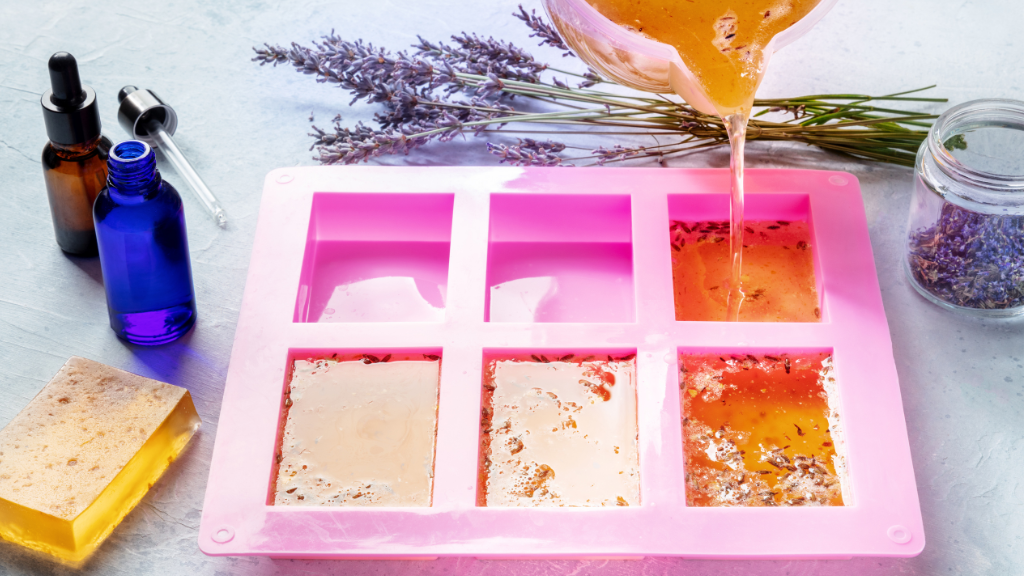
Soap Making Business Setup
Step-by-step essentials for starting your soap-making business — from ingredients and equipment to branding and selling.

7 MIN READ / GUIDE
Ultimate Guide to Coconut Oil
Learn how coconut oil supports skin, hair, and overall wellness, plus its benefits and everyday uses.