 USD
USD  GBP
GBP  CAD
CAD  AUD
AUD 
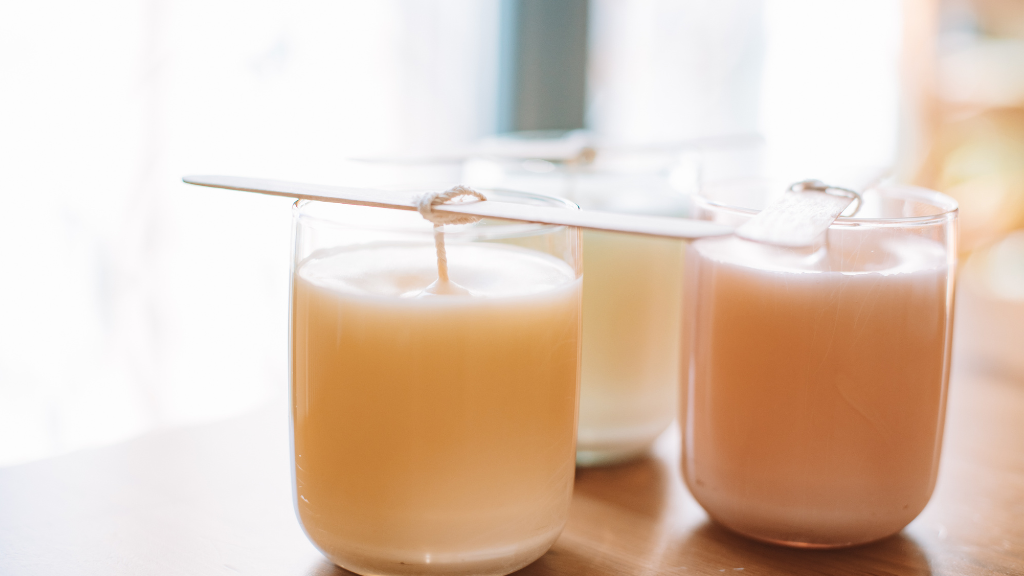
Starting a candle making business can be a rewarding way to turn your creative passion into profit. Whether you're planning to sell at local farmers markets, craft fairs, or to friends and family, understanding candle making basics is your first step toward success.
The beauty of candle making lies in its simplicity – with just a few essential supplies and some basic knowledge, you can create beautiful, fragrant candles that people love. But before you dive in, it's important to understand the materials, techniques, and safety considerations that will help you build a thriving small business.
This guide covers everything you need to know about candle making supplies, from selecting the right wax and wicks to choosing fragrance oils that will make your candles stand out. We'll also share practical tips you can pass along to your customers, helping you build trust and repeat business.
Types of Wax and Their Uses
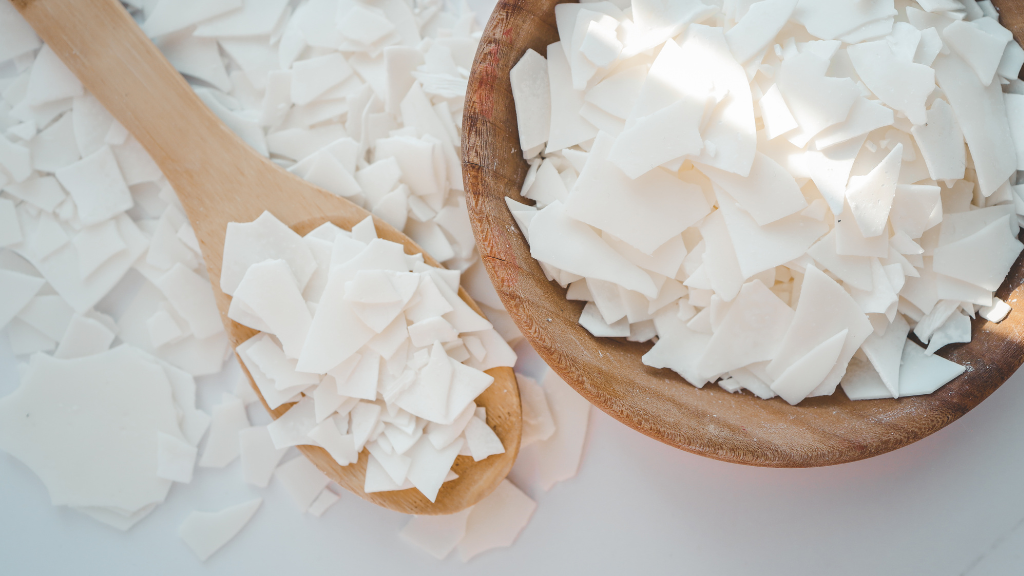
Choosing the right wax is crucial for creating quality candles that burn well and smell great. Here are the most popular options for small business candle makers:
Soy Wax
Soy wax is a favorite among many small candle makers because it's natural, burns cleanly, and holds fragrance well. It's made from soybeans and typically burns 30-50% longer than paraffin candles. Soy wax is also easier to clean up if you spill it, making it perfect for beginners. The main downside is that it can be more expensive than other wax types.
Paraffin Wax
Paraffin wax is the most common candle wax and often the most budget-friendly option. It provides an excellent scent throw (how well the fragrance fills a room) and comes in various melting points. While it's petroleum-based, modern paraffin wax is refined to burn cleanly when used with proper wicks.
Beeswax
Pure beeswax creates premium candles with a natural honey scent and long burn time. It's completely natural and purifies the air as it burns. However, beeswax is the most expensive option and has a limited fragrance load capacity.
Coconut Wax
A newer option that's gaining popularity, coconut wax burns very cleanly and has an excellent scent throw. It's often blended with other waxes to balance performance and cost.
Choosing the Right Wick
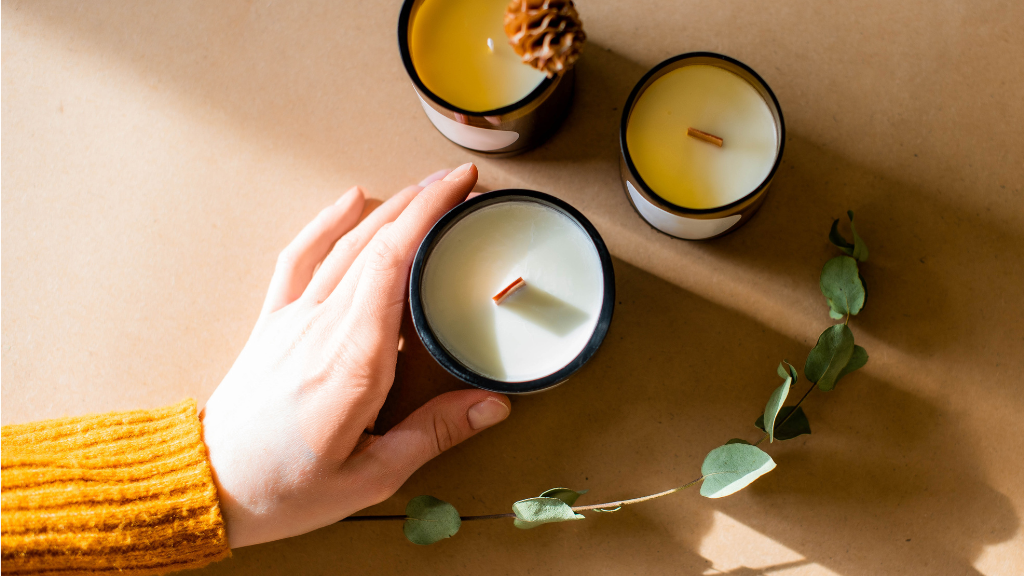
The wick is just as important as the wax for creating a safe, well-burning candle. Wick selection depends on several factors:
Wick Sizes and Types
Wicks come in different sizes, typically measured by their burn diameter. Cotton wicks work well for most candles, while wood wicks create a crackling sound that many customers enjoy. The key is matching the wick size to your candle's diameter and wax type.
A wick that's too small will create a small flame that doesn't melt the wax properly, causing tunneling. A wick that's too large will burn too hot, creating soot and potentially unsafe conditions.
Testing is Essential
Always test different wick sizes with your specific wax and container combination. Keep detailed notes about burn performance, and never skip this crucial step when developing new products for your business.
Understanding Fragrance Oils for Candles

Fragrance oils for candle making are specially formulated to perform well in wax and provide good scent throw. Here's what you need to know:
Fragrance Load
This refers to how much fragrance oil your wax can hold – typically 6-12% of the wax weight. Adding too much fragrance can cause poor burning, while too little won't provide enough scent.
Hot Throw vs. Cold Throw
Hot throw is how well your candle smells when burning, while cold throw is the scent when it's not lit. Quality fragrance oils for candle making will perform well in both areas.
Popular Scent Categories
Consider offering a mix of seasonal scents, classic favorites like vanilla and lavender, and unique blends that set your candles apart from competitors.
Other Essential Candle Making Supplies
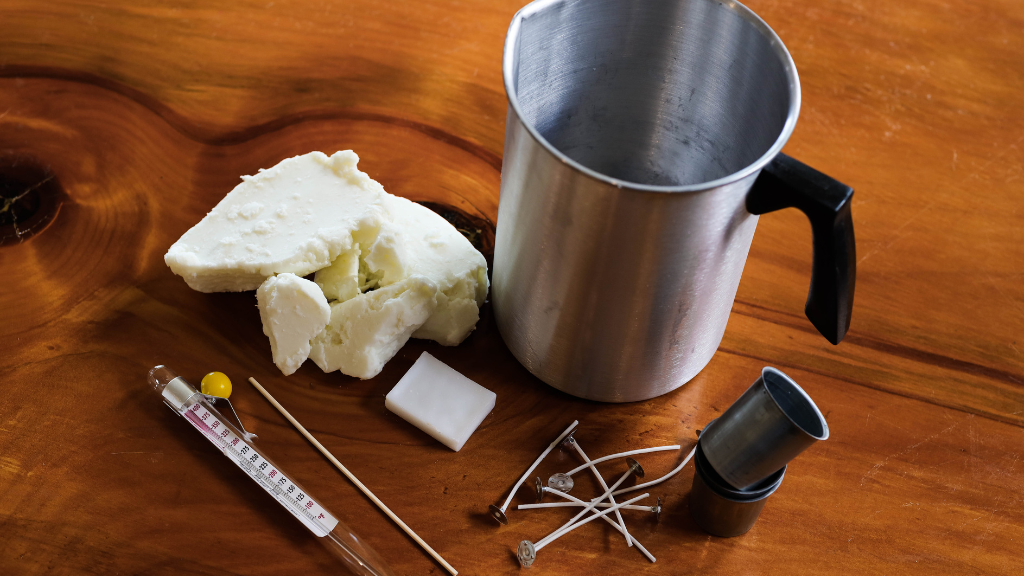
Beyond wax, wicks, and fragrance oils, you'll need several other candle making supplies:
Containers and Molds
Glass jars are popular for container candles, while silicone molds work well for pillar candles. Always choose heat-resistant containers designed for candle making.
Candle Making Equipment
Basic equipment includes a double boiler or melting pot, thermometer, stirring spoons, and a scale for measuring ingredients accurately. As your business grows, you might invest in larger melting equipment.
Dyes and Additives
Candle dyes let you create colorful products, while additives like stearic acid can improve burn quality in certain wax types.
Safety Equipment
Keep a fire extinguisher nearby, use heat-resistant gloves, and ensure good ventilation in your workspace.
How to Guide Your Customers in Choosing Supplies
As a candle business owner, educating your customers builds trust and increases sales. Here are key points to share:
Burn Safety Tips
Teach customers to trim wicks to 1/4 inch before each use, never leave candles unattended, and place them on stable, heat-resistant surfaces away from flammable items.
Proper Candle Care
Explain that the first burn should last long enough to create a full melt pool across the candle's surface. This prevents tunneling and ensures even burning throughout the candle's life.
Storage Advice
Recommend storing finished candles in cool, dry places away from direct sunlight to preserve color and fragrance.
Testing Recommendations
Encourage customers to always test their recipes before making large batches, especially when trying new fragrance oils or wax blends.
Starting a candle making business doesn't require huge investments or complex processes. With quality candle making supplies and attention to safety and testing, you can create products that customers love while building a profitable small business.
Ready to get started? Explore our selection of premium fragrance oils, candle oils, and complete candle making supplies to begin your candle making journey today.
Health and Safety Disclaimer
The information provided is for educational purposes only and should not replace professional guidance. Always follow proper safety procedures when making candles, including adequate ventilation, fire safety precautions, and material handling guidelines. Test all formulations thoroughly before selling products. Consult local regulations regarding candle manufacturing and sales in your area.
You Might Also Like

6 MIN READ / GUIDE
How to Make Candles with Fragrance Oils: A Step-by-Step Guide
Learn how to create beautifully scented candles using fragrance oils — from choosing the right wax to perfecting your scent throw.

6 MIN READ / FRAGRANCE INSIGHTS
The Science of Scent
Discover how scents affect the brain, emotions, and memory — and how this science shapes the world of fragrance creation.
7 MIN READ / WELLBEING
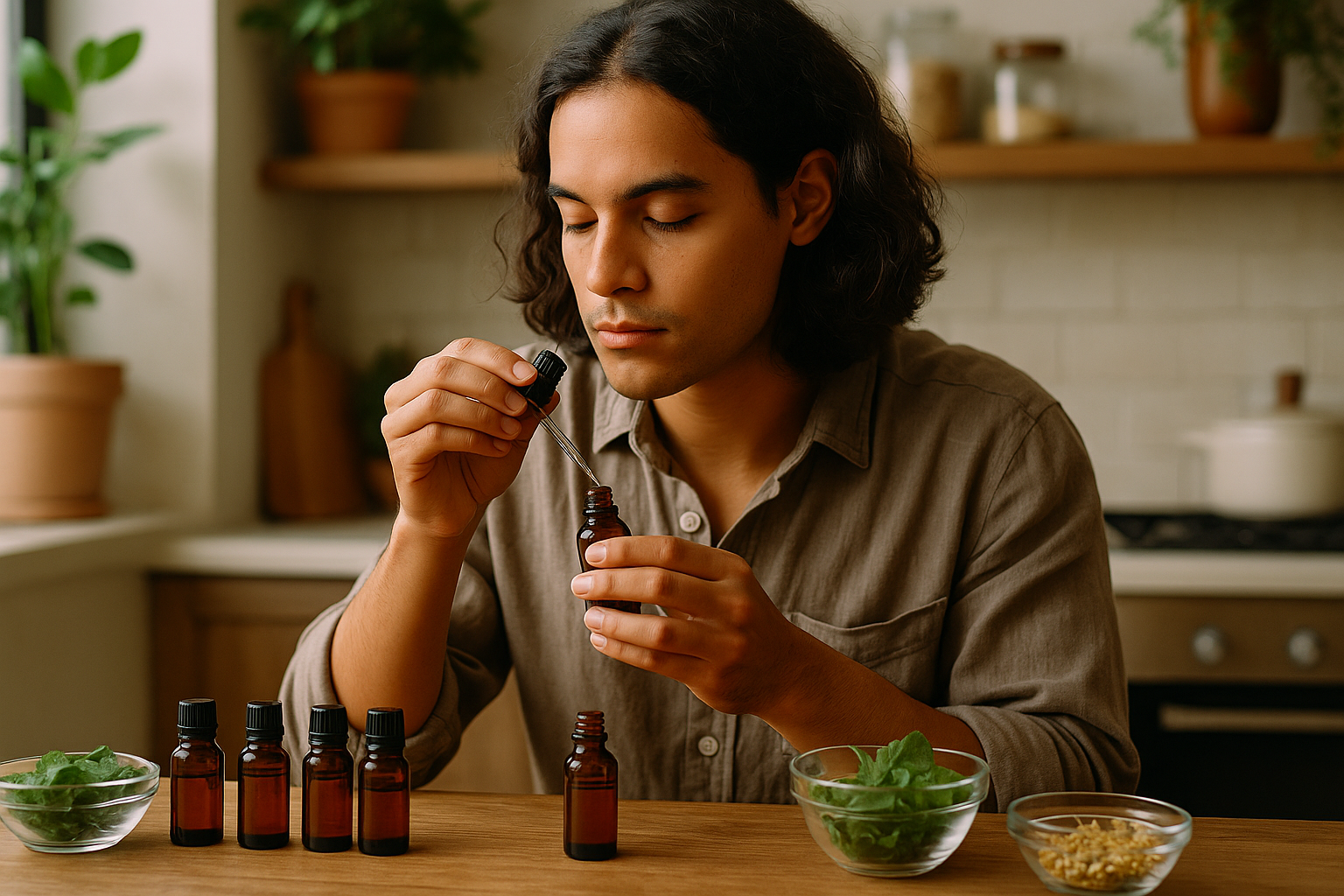
How Fragrance Oils Can Improve Wellbeing and Productivity
Explore how fragrance oils can boost focus, lift mood, and promote relaxation — perfect for creating balance in daily life.