 USD
USD  GBP
GBP  CAD
CAD  AUD
AUD 
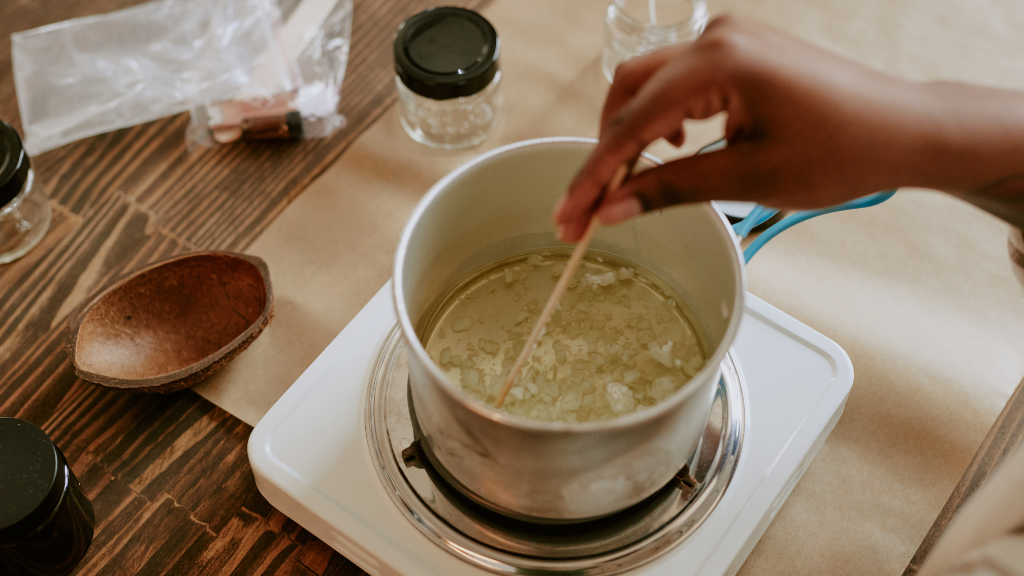
Making candles at home brings such joy and creativity to your space. There's something special about crafting your own scents and watching that warm glow fill your room. With the right safety steps, candle making can be both safe and deeply rewarding. At Africa Imports, we believe in supporting safe, community-driven crafting that connects you to traditions while protecting what matters most.
Why Candle Making Safety Matters
The statistics around candle safety tell an important story. From 2003 to 2007, U.S. fire departments responded to an average of 15,260 home structure fires each year caused by candles, leading to approximately 166 civilian fire deaths, 1,289 injuries, and $450 million in direct property damage annually.
The good news is that safety awareness has made a difference. In the later period from 2009 to 2013, candle-related fires decreased to an average of 9,300 incidents per year, causing 86 civilian deaths, 827 injuries, and $374 million in property damage annually.
Even with these improvements, candles still account for 4% of reported home fires, 6% of home fire deaths, 10% of home fire injuries, and 7% of direct property damage nationally. What's encouraging is that 60% of candle fires happen when something flammable is placed too close to the flame – meaning most accidents are completely preventable through proper setup and awareness.
Nearly 25% of candle fires occur in December and January, with holiday decorations often becoming the first items ignited. While dining areas see more fires during winter months, the bedroom remains the most common place of origin for candle fires overall.
When you understand how to set up your workspace correctly and choose safe ingredients, you're protecting both yourself and the beautiful tradition of candle making that spans cultures worldwide. Following basic candle making safety practices means you can focus on what you love – creating something beautiful with your hands.
Essential Safety Setup Before You Start
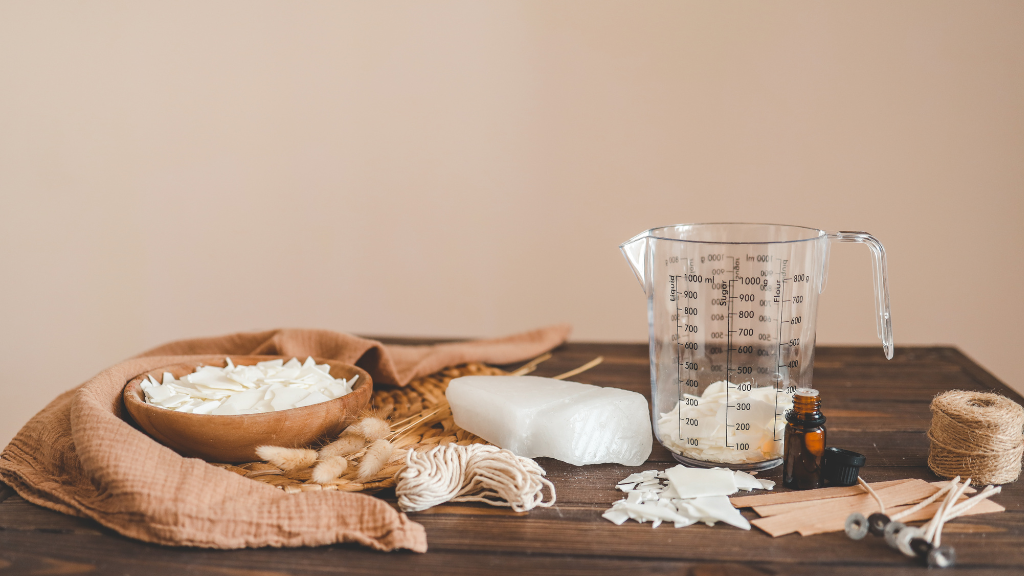
Create Your Safe Workspace
Set up a dedicated area for your candle making that's organized and away from distractions. Clear your surfaces completely and create a fire-safe zone around your work area. The U.S. Fire Administration recommends maintaining at least 12 inches of clearance around any candle work, but when you're making candles, give yourself even more space – at least three feet from anything flammable like bedding, curtains, furniture, or decorations.
Keep your candles in stable holders and place them where they can't be knocked over. This simple step prevents many of the accidents that contribute to candle fire statistics.
Keep children and pets out of your workspace during the entire process. Hot wax can cause serious burns, and pets can knock over containers or get into ingredients that aren't safe for them. Remember, thermal burns from heat sources like hot wax affect over 2 million people annually in the U.S., with 75,000 hospitalizations and around 14,000 deaths each year.
Make sure you have proper lighting so you can see what you're doing clearly. Good visibility helps you spot potential problems before they become accidents. The U.S. Fire Administration specifically recommends avoiding candle use in bedrooms – the area where most candle fires start – and suggests using flashlights during power outages instead of candles.
Ventilation is Your Best Friend
Proper airflow prevents fragrance oil buildup that can cause headaches or breathing issues. Open windows, turn on fans, or use your range hood while working. This is especially important when you're working with strong scents or multiple fragrance oils.
Avoid working in small, closed spaces like closets or basements without windows. Your workspace should feel comfortable and airy, not stuffy or overwhelming with scents.
If you start feeling dizzy or getting a headache, step outside for fresh air and increase ventilation before continuing. Poor ventilation contributes to many of the health concerns people have about candle making.
Personal Protection Equipment That Actually Works
Heat-resistant gloves
Regular kitchen gloves won't be enough, and you’ll need gloves specifically designed for handling hot materials. They'll protect your hands from splashes and burns when pouring hot wax. This protection is crucial when you consider that scald injuries from hot liquids account for 35% of burn injuries treated in U.S. burn centers, with 85% happening in the home.
Long sleeves and closed-toe shoes
Hot wax splashes happen, even to experienced candle makers. Protect your skin with coverage that won't restrict your movement.
Safety goggles
When you're melting wax or working with fragrance oils, protecting your eyes matters. Wax can pop and splash unexpectedly, and recent recalls like the 2024 Trader Joe's mango tangerine candles showed how even finished candles can behave unpredictably.
Apron
A good apron protects your clothing and gives you easy access to tools. Choose one made from materials that can handle heat.
Each piece of equipment protects you from different risks and helps keep you out of the statistics showing that candles contribute to nearly 10% of civilian injuries and 6% of fire-related fatalities in the U.S.
Choosing Safe, Natural Ingredients
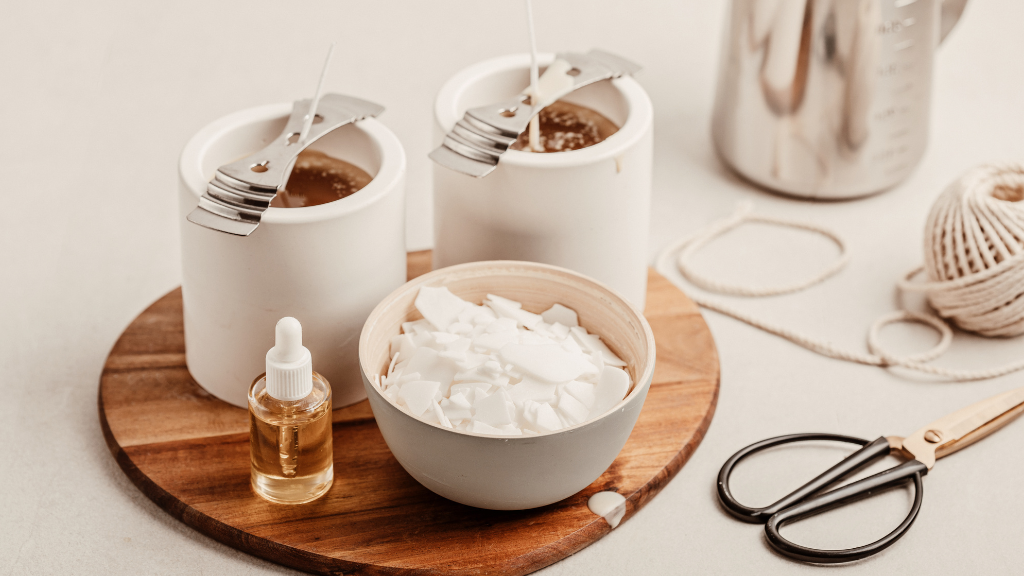
Why Natural Waxes Are Safer
Natural waxes like soy, beeswax, and coconut wax have several advantages over paraffin when it comes to safety. They have lower melting points, which means less risk of severe burns if you accidentally touch them. They also burn cleaner, creating less soot and fewer indoor air quality concerns.
African-sourced natural waxes, including shea-based waxes and beeswax from African beekeepers, offer the same safety benefits while supporting sustainable communities. These waxes have been used for centuries in traditional crafting, and they bring that reliability to your modern candle making.
When you choose natural ingredients, you're not just making safer candles – you're supporting the families and cooperatives who harvest and process these materials with care and tradition.
Plus, natural waxes are less likely to contribute to the kind of unpredictable burning that led to incidents like the 2025 Bath & Body Works lawsuit, where a woman suffered severe second-degree facial burns when a three-wick "Sweater Weather" candle exploded due to substandard materials and inadequate testing.
Fragrance Oil Safety Guidelines
Look for IFRA-compliant fragrance oils, which meet international safety standards for skin contact and respiratory exposure. These oils have been tested to reduce risks of allergic reactions and breathing problems – important protections when quality control matters so much for safety.
Follow proper dilution rates for your specific wax type. Soy wax typically handles 6-8% fragrance oil, while harder waxes might handle up to 10%. Using too much fragrance oil can cause smoking, poor burning, or skin irritation.
Add fragrance oils at the right temperature – usually between 185°F and 190°F for most waxes. Adding them too hot can cause the scent to burn off. Adding them too cool means poor scent distribution.
Always test small batches first when trying new fragrance combinations or suppliers. The 2024 Trader Joe's recall involved 653,000 candles sold with only 14 incidents reported of flames unexpectedly spreading from the wick into the wax – but each incident could have been prevented with better testing protocols.
Step-by-Step Safety Workflow
- Setup and preparation – Double-check that your workspace is clear, your ventilation is working, and all your safety equipment is on. Have your thermometer, stirring tools, and containers ready before you start heating anything. Make sure your planned candle placement follows the National Candle Association's guidance to place burning candles at least three inches apart to avoid uneven burning, melting, or unintended drafts.
- Melting wax safely – Use the double boiler method rather than direct heat. This gives you better temperature control and reduces fire risk. Monitor temperature constantly with a reliable thermometer. Never leave melting wax unattended, as this is one of the most important safety rules to prevent the majority of candle-making accidents. Always extinguish candles before leaving a room or going to bed.
- Adding fragrance – Remove wax from heat before adding fragrance oils. Stir gently and consistently to distribute evenly. This prevents hot spots that can cause smoking or uneven scent throw.
- Pouring technique – Pour slowly and steadily to avoid splashes. Keep a towel nearby for immediate cleanup of any spills. Pour at the right temperature (usually around 160-180°F) for best results.
- Cooling and curing – Place finished candles in a safe area where they won't be disturbed. Keep them away from drafts, children, pets, and heat sources while they cure.
- Proper maintenance – Trim wicks and ensure there are no drafts before relighting finished candles. Discontinue use when container candles have only ½ inch of wax remaining, or 2 inches for pillar candles to prevent overheating and reduce fire risk.
Create a "pause point" checklist: Before moving to each step, stop and check that your workspace is still safe, your equipment is working properly, and you feel comfortable proceeding.
Emergency Preparedness and Cleanup
For minor hot wax burns, immediately run cool (not cold) water over the affected area for 10-20 minutes. Don't use ice, and never peel off wax that has cooled on your skin. For serious burns, seek medical attention right away. This is especially important when you consider that for children under 5 years, 95% of scald injuries happen at home.
Clean up wax spills while they're still warm but not hot. Use paper towels to absorb what you can, then scrape up cooled wax with a plastic scraper. Never use water on hot wax – it can cause dangerous splattering and make the situation worse.
If you have a wax fire, never use water. Turn off the heat source if you can do so safely, cover the fire with a lid to cut off oxygen, or use a Class K fire extinguisher designed for oil and wax fires. This proper response is crucial given that candle fires, while representing only 4% of reported home fires, cause a disproportionate 6% of home fire deaths.
Keep a basic safety kit in your workspace: burn gel or cool compress, clean towels, plastic scrapers for cleanup, and a fire extinguisher rated for oil fires.
Making Pet-Safe Candles
Choose fragrance oils carefully when you have pets in your home. Essential oils like eucalyptus, tea tree, and citrus can be toxic to cats and dogs. Stick to synthetic fragrance oils that are specifically labeled as pet-safe.
Keep pets completely out of your workspace during candle making. Hot wax, fragrance oils, and the equipment you're using can all pose risks to curious animals.
When testing your finished candles, start with short burn times in a room where you can monitor your pets' reactions. If you notice any changes in their behavior, breathing, or energy levels, extinguish the candle and ventilate the area.
Store your candle-making supplies in sealed containers that pets can't access. Many ingredients are harmful if ingested, even in small amounts.
For Small Business Owners: Scaling Safety
When you're ready to make candles for resale, safety becomes even more important. Start with batch testing protocols – never make large quantities of a new recipe without testing smaller amounts first. The recent examples of candle recalls and lawsuits show how important quality control is for protecting both your customers and your business.
Set up your workspace for regular candle making with proper ventilation systems, dedicated storage for materials, and easy-to-clean surfaces. Consider the safety costs in your pricing: quality wax, proper fragrance oils, and safety equipment are investments in your business reputation.
Keep documentation of your safety procedures, ingredient sources, and testing results. This protects you legally and shows customers that you take safety seriously. Given that candle-related property damage averaged $374-450 million annually in recent studies, liability protection matters.
Think about packaging and shipping safety too. Properly cured candles, secure packaging, and clear burning instructions protect your customers and your business.
Storage and Long-Term Safety
Allow candles to cure properly before use or sale – typically 24-48 hours for container candles. This ensures the wax and fragrance have bonded correctly and will burn safely.
Label everything clearly with dates, ingredients, and fragrance percentages. This helps you track what works and identify any problems if they arise.
Store finished candles in a cool, dry place away from direct sunlight and heat sources. Keep different scents separated to prevent fragrance mixing.
Dispose of old materials safely. Expired fragrance oils can cause skin irritation or poor burning. Old wax that has collected dust or debris should be discarded rather than reused.
Frequently Asked Questions
Is candle making dangerous for beginners?
Candle making is safe when you follow basic precautions. Most risks come from hot wax burns and poor ventilation, both easily prevented with proper setup and protective equipment. Remember that 60% of the 9,300+ annual candle fires happen due to flammable items placed too close to flames – completely preventable with proper workspace setup.
What's the most important safety tip for candle making?
Never leave melting wax unattended and always ensure proper ventilation. These two steps prevent the majority of candle-making accidents and follow official guidance from fire safety organizations.
Are natural waxes safer than paraffin?
Natural waxes like soy, beeswax, and coconut wax generally burn cleaner and have lower melting points, making them safer to work with and better for indoor air quality.
How do I know if my fragrance oils are safe?
Look for IFRA-compliant fragrance oils and always follow recommended usage rates. Start with lower concentrations and test small batches first – proper testing can prevent the kind of incidents that led to recent product recalls.
What should I do if I get burned by hot wax?
Immediately run cool (not cold) water over the burn for 10-20 minutes. For serious burns, seek medical attention. Never peel off cooled wax stuck to skin.
Can I make candles if I have pets?
Yes, but keep pets out of your workspace during candle making and choose pet-safe fragrance oils. Avoid essential oils that are toxic to pets like eucalyptus or tea tree.
Ready to start your safe candle-making journey?
At Africa Imports, we provide natural waxes and fragrance oils that make safety and quality go hand in hand. Our African-sourced materials support communities while giving you the reliable ingredients you need for beautiful, safely-made candles.
Shop our natural candle-making supplies and start crafting with confidence today.