 USD
USD  GBP
GBP  CAD
CAD  AUD
AUD 
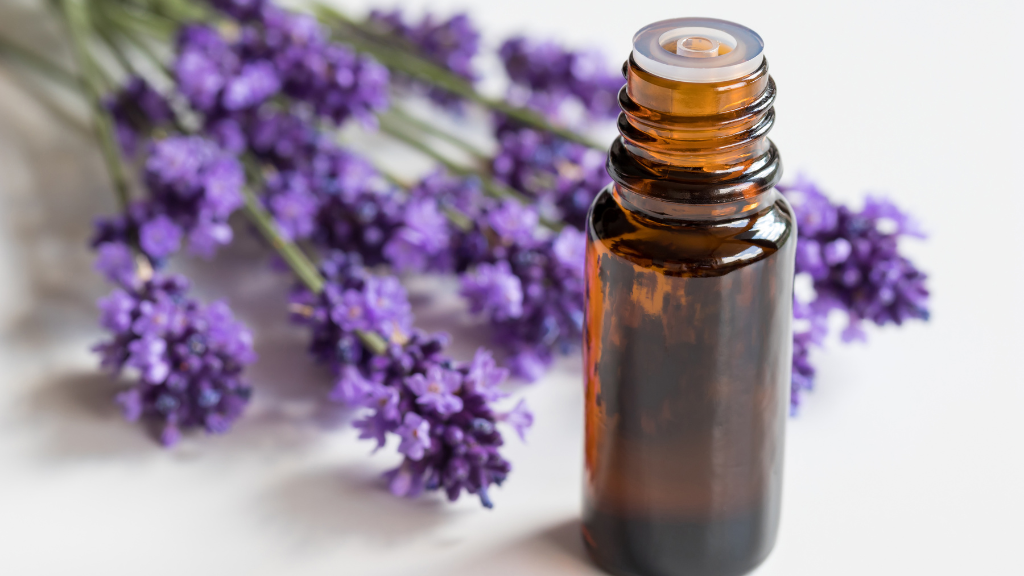
Essential oils don't last forever. That's a fact that catches a lot of people off guard, especially if you've had a bottle of lavender or eucalyptus sitting in a cabinet for years and assumed it was still fine. The truth is, every essential oil has a shelf life, and once that window closes, the oil you're working with isn't the same product you originally bought.
Whether you use essential oils for personal aromatherapy, blend them into skin care products, or buy them wholesale to resell, understanding how and why these oils break down will save you money, protect your customers, and help you get the best results from every bottle.
This guide covers what causes essential oils to expire, how long different oils last, how to spot an expired oil, and what to do with oils that are past their best. If you run a business that stocks or sells essential oils, there's a dedicated section at the end with inventory and storage tips built around your needs.
Do Essential Oils Really Expire?
Yes, essential oils expire. But they don't go bad the way food does.
You won't find mold growing in a bottle of tea tree oil, and essential oils don't develop bacteria the way a dairy product would. What happens instead is a chemical process called oxidation, and it changes what's inside the bottle at a molecular level.
When oxygen comes into contact with the compounds in an essential oil, it reacts with them. Over time, these reactions alter the oil's chemical structure. The scent shifts, the effectiveness drops, and the oil can become more likely to irritate skin. Oxidation begins the moment a bottle is opened, and it continues gradually as long as the oil is exposed to air, heat, and light.
So while an expired essential oil might still look like a clear liquid in a bottle, it's no longer the same substance. The active compounds that gave it its scent and its usefulness have changed, and in some cases, the byproducts of that change can cause problems.
This is why shelf life matters, not just for safety, but for getting real value from the oils you buy and sell.
What Causes Essential Oils to Expire?
Three main factors drive essential oil degradation: oxygen exposure, heat and light, and contamination. Each one speeds up the chemical breakdown of the oil in different ways.
Oxidation
Oxidation is the primary reason essential oils lose their potency over time. It happens when oxygen molecules bond with the chemical constituents in the oil, changing their molecular structure. Once those compounds have changed, they can't be reversed back to their original form.
Not all essential oils oxidize at the same rate. Oils that are high in monoterpenes (a class of naturally occurring compounds with a low molecular weight) tend to oxidize faster. Citrus oils like lemon, orange, and grapefruit fall into this category because they're often made up of 90% or more monoterpenes. Pine, spruce, and frankincense are also more vulnerable.
On the other end of the spectrum, oils rich in sesquiterpenes (heavier, more stable compounds) hold up much longer. Patchouli, sandalwood, and vetiver are known for their stability, and some of these oils can actually develop a deeper, more rounded scent as they age.
Oxidized eucalyptus oil is a common example of what happens when an oil breaks down. When eucalyptus oxidizes, it can produce compounds that are more likely to trigger skin reactions than the fresh oil would.
Heat and Light Exposure
UV light breaks down the chemical compounds in essential oils, which is why most oils are sold in amber or dark-colored glass bottles. Even with dark glass, leaving oils on a windowsill or in direct sunlight will accelerate degradation.
Heat has a similar effect. Higher temperatures speed up the evaporation of volatile compounds and push the oxidation process along faster. Storing oils near radiators, in bathrooms (where temperatures fluctuate), or in hot cars can shorten their usable life considerably.
Moisture and Contamination
Introducing water into an essential oil bottle can degrade the oil and change its consistency. This often happens through careless handling: using a wet dropper, leaving the cap off in a humid environment, or touching the dropper tip to damp skin and then putting it back in the bottle.
Always use clean, dry tools when handling essential oils. A contaminated bottle won't just lose quality faster. It can also introduce unwanted substances into the oil.
How Long Do Essential Oils Last?
Shelf life varies depending on the oil's chemical makeup and how it's stored. Below is a general guide based on widely referenced aromatherapy guidelines, including those from essential oil safety researcher Robert Tisserand.
These timeframes assume proper storage in dark glass bottles, kept in a cool place with minimal air exposure. If oils are stored carelessly (left open, kept in warm environments, or exposed to light), expect these timeframes to shrink.
Shorter Shelf Life: 1–2 Years
Citrus oils are the most prone to oxidation. This group includes lemon, lime, sweet orange, grapefruit, tangerine, mandarin, and bergamot. Pine, spruce, and other conifer oils also fall into this range due to their high monoterpene content.
If stored improperly, citrus oils can start to degrade in as little as 9–12 months. Refrigeration (around 35–38°F / 2–3°C) can slow this process down and is specifically recommended for citrus oils.
Medium Shelf Life: 2–3 Years
Most essential oils fall into this middle range. This includes tea tree, rosemary, eucalyptus, lemongrass, oregano, black pepper, nutmeg, and cypress.
Tea tree oil, for example, is a widely used oil that holds up reasonably well when stored correctly. It typically remains stable for 2–3 years, though it will eventually oxidize. Research published in the journal Contact Dermatitis has shown that aged, oxidized tea tree oil produces stronger sensitization reactions on skin than the fresh oil does.
Longer Shelf Life: 3–5 Years
Several popular oils have a more stable chemical profile and can last 3–5 years with good storage. These include lavender, peppermint, thyme, clary sage, cinnamon bark, ylang ylang, clove, and marjoram.
These oils contain higher proportions of chemical groups (such as esters, monoterpenols, and ketones) that are less reactive to oxygen than monoterpenes, giving them a longer window of use.
Longest Shelf Life: 5+ Years
A small group of essential oils are known for their stability, and some can even improve with age. Patchouli, sandalwood, vetiver, and cedarwood fall into this category. These oils are rich in sesquiterpenes and sesquiterpenols, which are heavier compounds that resist oxidation.
Patchouli and sandalwood, in particular, are known to develop a richer, deeper scent over time when stored correctly. Some aromatherapists report using well-stored patchouli oil that's a decade old, though for most oils, replacement well before that point is the safer approach. If you have an older bottle, check the scent and consistency before using it.
How to Tell If Your Essential Oils Have Expired
You don't need lab equipment to spot an expired essential oil. Your senses will usually tell you what's going on. Here's what to watch for:
Scent changes: these are the most obvious signs. If the oil smells different from when you first opened it, weaker, flat, sour, or slightly "off," oxidation has likely altered its composition. Citrus oils that have gone bad often develop a sharp, unpleasant odor that's very different from their original bright, fruity scent.
Texture changes can also occur. An oil that has become thicker, stickier, or more viscous than it was when fresh may be breaking down. Some oils become cloudy as well.
Color shifts: If you notice the oil has darkened or changed color from its original shade, that's a sign of chemical change.
Unexpected skin reactions: If an oil you've used before without any issue suddenly causes redness, itching, or a burning sensation, oxidation may be to blame. The chemical byproducts of oxidation (including peroxides and epoxides) are more likely to trigger allergic contact dermatitis than the original, fresh compounds.
A practical habit that helps: write the date you opened each bottle on the label. This simple step takes the guesswork out of tracking how long an oil has been in use.
What Happens If You Use Expired Essential Oils?
Using expired essential oil isn't always dangerous, but the risks depend on how you're using it and how far the oil has degraded.
Skin Application Risks
This is the area where expired oils pose the most concern. When essential oil compounds oxidize, they can form new chemical byproducts (such as peroxides, epoxides, and endoperoxides) that act as skin sensitizers. These byproducts are more likely to cause allergic contact dermatitis than the original, fresh oil.
What makes this tricky is that you might have used the same oil on your skin for months or years without any reaction. Sensitization is cumulative. Once your immune system has been primed to recognize an oxidized compound as a threat, you can develop a reaction that persists, and in some cases, it can extend to related compounds in other oils.
The bottom line: if an essential oil is past its shelf life, don't apply it to skin. The chemical changes make reactions unpredictable.
Diffusing Expired Oils
Diffusing a mildly expired oil is generally considered lower risk than putting it directly on skin, because you're not making direct contact. However, oils that are heavily oxidized may produce compounds that cause headaches, nausea, or respiratory irritation when inhaled.
If the scent has changed noticeably, it's a good sign that the oil's composition has shifted enough to avoid using it in a diffuser as well. At that point, repurposing for cleaning is a better use.
Reduced Effectiveness
Even setting aside safety concerns, expired oils simply don't perform the way fresh ones do. The therapeutic compounds have degraded. For aromatherapy, the scent profile won't deliver the same experience. For product formulation (candles, soaps, and beauty products), the scent throw will be weaker and the stability of the final product may be compromised.
If you're selling products that contain essential oils, this matters even more. Your customers expect a consistent result, and expired oils won't deliver it.
How to Store Essential Oils to Extend Their Shelf Life
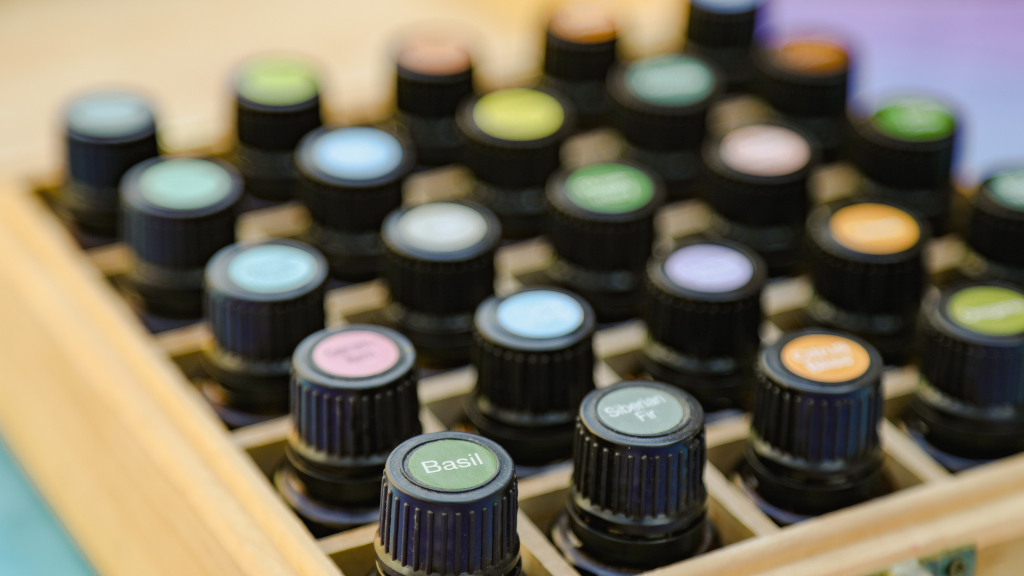
Good storage habits are the single biggest factor in how long your essential oils last. Here's how to get the most life out of every bottle.
Use Dark Glass Bottles
Amber and cobalt blue glass are the standard for essential oil storage because they filter out UV light, which accelerates oxidation. Never store essential oils in clear glass or plastic containers. Some essential oil compounds can actually break down certain types of plastic, leaching chemicals into the oil and degrading the container at the same time.
If you buy oils in bulk and decant them into smaller bottles for retail or personal use, make sure those smaller bottles are also dark glass.
Keep Oils Cool and Away from Heat
For most essential oils, room temperature storage between 60–72°F (15–22°C) in a consistently cool location works well. Avoid windowsills, bathrooms, kitchens near the stove, or anywhere temperatures swing up and down throughout the day.
For citrus oils, pine, spruce, and other short-shelf-life oils, refrigeration between 35–38°F (2–3°C) can slow oxidation down and add months to their usable life. If you refrigerate your oils, let them come back to room temperature before using them, and make sure the bottles are sealed tightly to prevent moisture from condensing inside.
Seal Bottles Tightly
Replace the cap immediately after every use. The longer a bottle sits open, the more oxygen gets in. This sounds obvious, but it's one of the most common ways shelf life gets shortened, especially in busy work environments.
As you use up oil and the bottle empties, there's more air trapped inside relative to the amount of oil remaining. Transferring what's left to a smaller bottle reduces that air gap and slows oxidation.
Avoid Cross-Contamination
Use clean, dry droppers or pipettes every time. Don't touch the dropper to your skin and then return it to the bottle. Don't let water get into the bottle. Contamination introduces foreign substances that can speed up degradation and alter the oil's composition.
Label and Date Everything
Write the purchase date or the date you first opened the bottle on every container. This makes it easy to track how long each oil has been in use and helps you rotate through your stock before anything expires.
What to Do with Expired Essential Oils
When an essential oil is past its prime, you still have options. Don't just pour it down the drain.
Repurpose for cleaning. Expired oils that are no longer safe for skin or aromatherapy use can still work well in homemade cleaning sprays, floor washes, or as general deodorizers. The antimicrobial properties and scent may not be as strong as they were, but they're often still useful enough for household cleaning.
Dispose of responsibly. Essential oils are concentrated plant extracts, and pouring them into drains or waterways can cause environmental harm. Check with your local waste management service for guidance. Some areas have hazardous household waste programs that accept essential oils and similar products.
Recycle or reuse the bottles. Clean empty glass bottles thoroughly with rubbing alcohol or warm soapy water and let them dry completely. Dark glass bottles in good condition can be reused for new oils, DIY blends, or other purposes.
Storage and Stock Management Tips for Business Owners
If you buy essential oils wholesale to resell, formulate products, or use in a spa, salon, or massage practice, everything above applies to you, but there are additional steps worth taking to protect your inventory and your reputation.
Use first-in, first-out (FIFO) inventory rotation. Always sell or use your oldest stock first. This is standard practice in food service and retail, and it applies just as much to essential oils. When a new shipment arrives, move existing stock to the front and place new bottles behind them.
Track batch dates. Record when each shipment arrived and mark every bottle or container with that date. If you're decanting from bulk containers into smaller retail bottles, label each one with the decanting date as well. This creates a clear paper trail and helps you spot stock that's approaching the end of its shelf life.
Store bulk containers properly. Large bottles should be kept sealed in a cool, dark space at all times. If you're decanting into smaller bottles, do so in a clean environment and reseal the bulk container immediately afterward. The more often a large bottle is opened, the faster the oil inside will oxidize.
Adjust your ordering by oil type. Not every essential oil should be ordered in the same quantities. Citrus oils have a shorter shelf life, so ordering smaller amounts more frequently makes more sense than buying large volumes that may sit on your shelf too long. Longer-lasting oils like patchouli, cedarwood, or sandalwood can be bought in bigger bulk quantities without the same risk.
Educate your customers. If you resell essential oils, consider including shelf life and storage guidance on your labels or as a printed insert with orders. This builds trust, shows that you know your products, and can reduce returns caused by oils that a customer stored badly and assumed were defective.
Africa Imports ships essential oils in dark glass bottles and offers same-day shipping on orders placed before 2 PM, so your stock arrives fresh and ready to use. For businesses that need to restock regularly without over-ordering, this kind of fast turnaround helps you keep inventory lean and products at their best.
FAQs About Essential Oils
Do essential oils expire?
Yes. Essential oils go through oxidation over time, which changes their chemical makeup, scent, and safety profile. Most oils last between 1 and 5 years, depending on the type and how they're stored.
Do essential oils go bad?
They don't spoil the way food does (no mold or bacteria growth), but they do degrade. Once oxidized, they may cause skin irritation and won't deliver the same results as a fresh oil.
Does tea tree oil expire?
Yes. Tea tree oil typically has a shelf life of 2–3 years when stored properly. It's reasonably stable, but research has shown that oxidized tea tree oil is more likely to cause skin sensitization than the fresh version.
Can I diffuse expired essential oils?
Mildly expired oils may still be safe to diffuse, but if the scent has changed or the oil is heavily oxidized, it could cause headaches or respiratory discomfort. If you're unsure, repurposing for cleaning is a safer option.
What happens if you use expired essential oils on your skin?
Oxidized oils are more likely to cause allergic contact dermatitis, rashes, redness, or sensitization. This can happen even if the same oil caused no reaction when it was fresh. The chemical changes from oxidation produce new byproducts that act as skin sensitizers.
How long do essential oils last once opened?
It depends on the oil. Citrus oils typically last 1–2 years once opened. Lavender and peppermint can last 3–5 years. Patchouli and sandalwood can remain stable for 5 years or longer. Proper storage extends all of these timeframes.
Are expired essential oils safe?
Not for skin application or therapeutic use. The chemical changes from oxidation make their effects unpredictable. However, they can often be repurposed for household cleaning where direct skin contact isn't involved.
Can I use a 10-year-old essential oil?
Most oils should be replaced well before the 10-year mark. Some oils like patchouli or sandalwood may still be usable after a decade if they've been stored in ideal conditions, but always check the scent, color, and consistency before using them. If anything seems off, it's time to replace the bottle.
When should you throw away essential oils?
Replace oil when you notice changes in scent, color, or texture, or if it causes skin reactions that it didn't before. If you've had an oil for longer than its expected shelf life and can't confirm it's been stored the entire time properly, err on the side of replacing it. You can repurpose expired oils for cleaning rather than discarding them entirely.
Small Business Tip
If you sell essential oils or use them in your products, candles, soaps, body butters, and massage blends, understanding shelf life isn't just helpful. It protects your business.
Expired oils in your products can lead to customer complaints, returns, weakened scent throw, and worst of all, skin reactions that damage the trust you've built. Here's how to stay ahead of it:
Track every batch with purchase dates and rotate stock using the first-in, first-out method. Adjust your ordering by oil type: restock citrus oils in smaller quantities more often, and buy longer-lasting oils like frankincense or cedarwood in bulk where it makes financial sense. Include a simple shelf life note on your product labels or as a card insert with orders. Customers notice and appreciate this kind of transparency, and it positions you as someone who knows their products inside and out.
Africa Imports offers wholesale essential oils with same-day shipping, so you can keep stock fresh without sitting on large volumes that risk going past their best
Health and Safety Disclaimer
The information in this article is for educational purposes only. Essential oils are not licensed for medical use, and the benefits described here have not been evaluated by the FDA. None of the products mentioned should be used to diagnose, treat, cure, or prevent any disease. Always consult a healthcare professional before using essential oils, especially if you have existing health conditions, are pregnant, or are nursing. Perform a patch test before applying any essential oil to your skin.