 USD
USD  GBP
GBP  CAD
CAD  AUD
AUD 

The African health and beauty business is growing fast in the United States, and small business owners are taking notice. From shea butter to African chebe powder, natural ingredients rooted in African tradition are showing up in skincare routines, hair care regimens, and wellness shops across the country. For entrepreneurs looking to build or grow a business, this shift represents real opportunity.
This guide walks you through the market landscape, the products driving demand, and what it takes to build a successful health and beauty business using African wellness products. Whether you're starting from scratch or adding new products to your existing lineup, understanding this space helps you make smarter decisions and connect with customers who are actively seeking what you have to offer.
Why African Health and Beauty is Booming in the U.S.
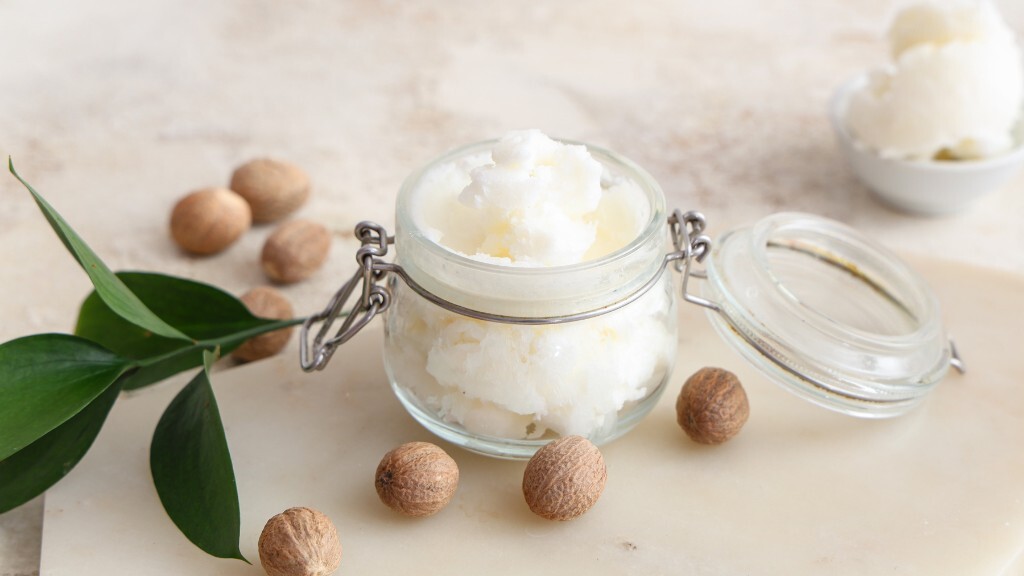
Rising Consumer Demand for Natural and Authentic Products
U.S. consumers are reading labels more closely than ever. They want to know what's in their skincare, where it comes from, and whether it aligns with their values. The clean beauty movement has pushed ingredient transparency to the forefront, and shoppers are moving away from synthetic formulas in favor of natural alternatives.
The Clean Beauty Movement and African Ingredients
African beauty ingredients fit this demand perfectly. Products like unrefined shea butter, baobab oil, and moringa powder come with clear origins, minimal processing, and a connection to traditional use. Customers aren't just buying a product, they're buying a story, a practice, and often a way to support communities outside their own.
This shift isn't slowing down. According to market research, the global clean beauty market is projected to reach over $22 billion by 2030, with natural and organic products leading the charge. African wellness products sit right in the middle of that growth.
The African Wellness Industry: From Traditional Knowledge to Modern Markets
Many African health and beauty products aren't new inventions. They've been used for generations, sometimes centuries, by communities across the continent. Shea butter has moisturized skin in West Africa long before it became a grocery store staple in the U.S. Chebe powder has been a hair care secret in Chad for hundreds of years.
What's changed is access. The African wellness industry has modernized its supply chains, improved packaging, and built relationships with international buyers. At the same time, consumers in the U.S. are more interested in cultural authenticity. They want products that honor their origins, not watered-down versions that strip away context.
This creates a win for small business owners. You can offer products that feel genuine and culturally grounded while meeting the demand for natural, effective ingredients. The key is sourcing responsibly and telling the story in a way that respects its roots.
African Beauty Market Growth and Global Expansion
The African beauty market itself is booming, with Africa's cosmetics and personal care industry expected to grow significantly in the coming years. As African brands gain recognition on the global stage, U.S. consumers are paying attention. Influencers, celebrities, and beauty editors are spotlighting African-made products, which drives interest and legitimacy.
Social Media's Impact on African Beauty Products
Social media has accelerated this trend. Platforms like Instagram and TikTok allow small brands and individual creators to showcase African beauty rituals, ingredient benefits, and product results to millions of people. When a hair care influencer talks about chebe powder or a skincare creator demos black soap, searches spike, and so does demand.
For U.S.-based entrepreneurs, this means you're entering a market with momentum. The groundwork has been laid. Now it's about positioning your business to meet the demand.
Hero Products Driving the African Beauty Business
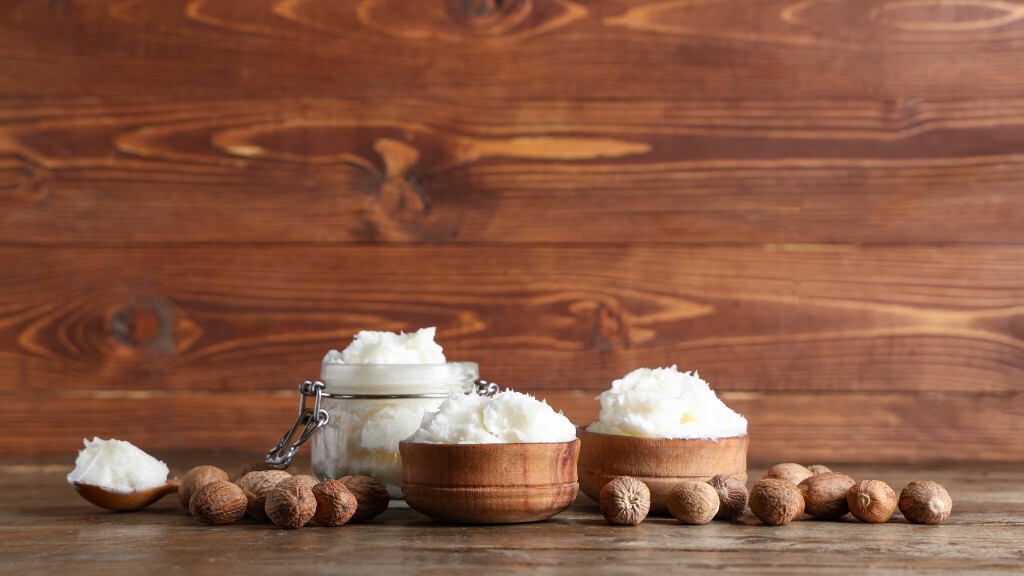
Shea Butter: The Foundation of African Skincare
Shea butter is one of the most recognizable African beauty ingredients in the U.S. market. It's in lotions, body butters, hair masks, and lip balms. Customers know it, trust it, and actively seek it out.
For business owners, shea butter offers versatility. You can sell it in bulk to DIY makers, package it as a finished product, or use it as a base for custom formulations.
Why Unrefined Shea Butter Sells Better
Unrefined shea butter; often called raw or yellow shea butter has a stronger market appeal among natural beauty customers because it retains more of its original properties and scent.
Profit margins on shea butter products can be strong, especially if you're buying wholesale and repackaging for retail. The key is educating your customers on quality differences. Many shoppers don't know the difference between refined and unrefined, or why fair trade sourcing matters. When you explain it, you build trust and justify your pricing.
African Chebe: The Hair Growth Secret Gaining Mainstream Recognition
Chebe powder is having a moment. Originally used by women in Chad to maintain long, healthy hair, it's now a go-to ingredient for the natural hair community in the U.S. Social media has amplified its reputation, with thousands of videos showing how to mix chebe powder into hair masks and growth treatments.
For small business owners, chebe represents a niche opportunity with strong word-of-mouth potential. It's not as widely available as shea butter, which means less competition and more room to position yourself as a knowledgeable source. Customers buying chebe are usually committed to natural hair care and willing to invest in quality products.
Educating Customers About Chebe Usage
Selling chebe also requires education. Many customers don't know how to use it, how often to apply it, or what results to expect. Providing clear instructions, realistic timelines, and pairing suggestions (like combining it with oils or butters) helps you stand out.
Sea Moss: From Caribbean Heritage to Wellness Trend
Sea moss has crossed over from traditional Caribbean and African coastal communities into the mainstream wellness space. It's marketed as a superfood, used in smoothies, supplements, and skincare. Customers associate it with immune support, gut health, and skin hydration.
From a business perspective, sea moss appeals to health-conscious consumers who are willing to pay more for wellness products. It works as a standalone product (dried or gel form) or as an ingredient in value-added items like face masks, soaps, or blended supplements.
Standing Out in a Crowded Sea Moss Market
The sea moss market has become crowded, so differentiation matters. Sourcing transparency, quality testing, and clear usage instructions help you compete. Many customers are wary of imitation or low-quality sea moss, so being able to verify your sourcing builds credibility.
Coconut Oil and Other Traditional Staples
Coconut oil is already established in U.S. markets, but African-sourced coconut oil offers a distinct selling angle. The same goes for other staples like moringa oil, baobab oil, and African black soap. These products have proven demand, reliable customer bases, and multiple use cases, from cooking to skincare to hair care.
For business owners, these products provide stable income. They're not trend-dependent. Customers buy them repeatedly, which supports consistent cash flow. Pairing traditional staples with newer trending ingredients creates a balanced product lineup that serves both loyal customers and curious newcomers.
Understanding Your U.S. Customer Base for African Beauty Products
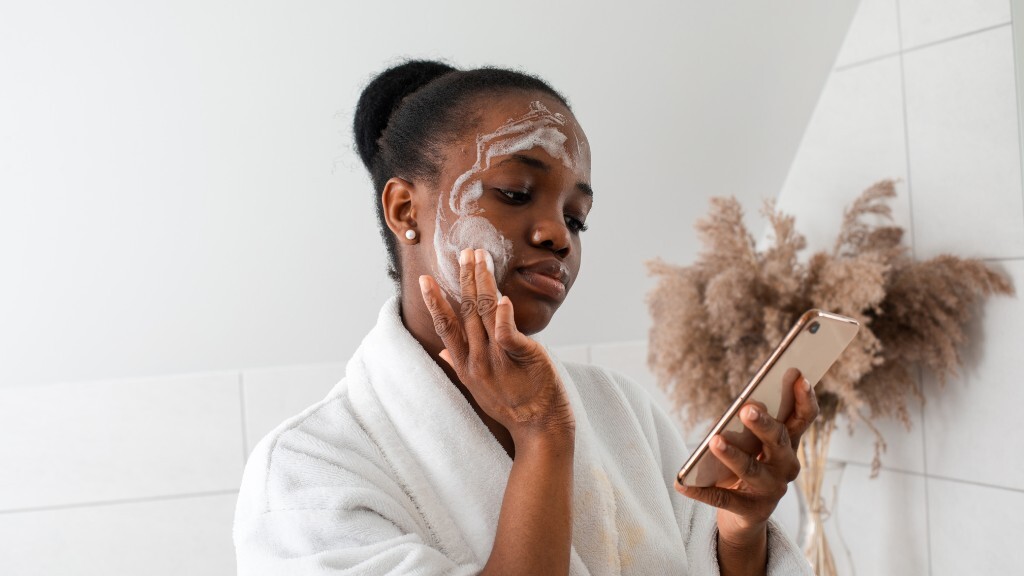
DIY Enthusiasts and Natural Beauty Makers
DIY beauty makers are one of your strongest customer segments. These are individuals who make their own lotions, soaps, hair treatments, and skincare products at home. They buy raw ingredients in bulk and value quality, transparency, and fair pricing.
This audience is educated. They research ingredients, compare suppliers, and read reviews carefully. They want to know where your shea butter comes from, whether your chebe powder is authentic, and if your oils are cold-pressed. When you provide that information upfront, you earn their business and often their loyalty.
DIY customers also tend to share their experiences online. When they're happy with your products, they post about it, recommend you in forums, and link to your site. Building relationships with this community pays off over time.
Wellness Professionals and Service Providers
Spas, massage therapists, estheticians, and holistic health practitioners need reliable suppliers for the products they use with clients. They're looking for bulk options, consistent quality, and ingredients that align with their service philosophy.
For these customers, trust is everything. They need to know your products won't cause skin reactions, that your sourcing is legitimate, and that you can deliver on time. Once you establish that trust, you often gain a repeat customer who orders regularly and in volume.
This segment values business-to-business relationships. Clear invoicing, wholesale pricing tiers, and responsive customer support matter. Treating these customers like partners, not just transactions, sets you apart.
Small Boutique Retailers and Online Entrepreneurs
Many small business owners are looking to stock African health and beauty products in their retail spaces or online stores. They want products they can resell, ideally with room to add their own branding or packaging.
These customers need suppliers who understand their margins. They're looking for wholesale pricing that allows them to make a profit while staying competitive. They also value products that come with marketing support, whether that's high-quality photos, ingredient fact sheets, or suggested selling points.
For this audience, speed matters. They need reliable inventory, fast shipping, and the ability to reorder easily. When you make their job easier, they stick with you.
Health-Conscious Consumers Seeking Alternative Solutions
Direct consumers buying for personal use represent a significant portion of the African health and beauty market. These are individuals exploring natural alternatives to conventional products. They might be dealing with sensitive skin, managing specific hair types, or simply wanting to reduce chemical exposure.
These customers often start with a single product; maybe shea butter for dry skin or sea moss for wellness and expand from there. They're influenced by recommendations from friends, social media content, and online reviews.
For this group, education is key. They want to know how to use the product, what to expect, and whether it's right for them. Providing clear usage guides, realistic benefit descriptions, and responsive customer support builds confidence and repeat purchases.
Business Opportunities in the African Health & Beauty Space
Retail and Resale Opportunities
Buying African health and beauty products wholesale and reselling them is one of the most straightforward business models. You purchase in bulk at a lower price, then sell at retail, either online, at markets, in pop-up shops, or through your own storefront.
Profit margins vary depending on the product, your pricing strategy, and your overhead. Shea butter, oils, and powders typically offer healthy margins because customers recognize their value and are willing to pay for quality. The key is positioning your products correctly and understanding your target market's price sensitivity.
Successful resellers often specialize. Instead of selling everything, they focus on a specific niche like natural hair care, DIY ingredients, wellness supplements, or spa-quality skincare. Specialization helps you build expertise, attract a loyal customer base, and differentiate from general retailers.
Value-Added Product Creation
Value-added products take raw ingredients and turn them into finished goods. This could mean blending your own body butter using shea butter and essential oils, creating a chebe hair mask with clear instructions, or packaging sea moss gel with recipe suggestions.
This approach increases your profit potential because you're selling finished products at retail prices rather than raw ingredients. It also allows you to build a brand, create proprietary formulations, and establish customer loyalty around your specific products.
Private labeling takes this a step further. You create your own branded line using wholesale ingredients, design custom packaging, and market under your business name. This requires more upfront investment but offers the highest long-term value and brand recognition.
Service-Based Business Integration
Service providers like massage therapists, estheticians, and natural hair stylists can integrate African health and beauty products directly into their offerings. Using shea butter in massage treatments, incorporating chebe powder into hair services, or offering sea moss facials adds value to your services and creates additional revenue streams.
Many service providers also retail products to their clients. When a customer loves the body butter you used during their massage, they'll buy it to use at home. This creates a natural upsell opportunity without heavy marketing.
Educational workshops and consultations represent another service model. Teaching customers how to use African beauty ingredients, hosting DIY product-making classes, or offering personalized product recommendations builds community and positions you as an expert in your field.
Challenges and Considerations for New Business Owners
Navigating Product Claims and Regulations
The FDA regulates cosmetics and dietary supplements, and the rules are stricter than many new business owners realize. You can't claim your shea butter "cures eczema" or your sea moss "treats thyroid conditions" without violating federal guidelines, even if customers say they've experienced those results.
The line between educational content and medical claims can be tricky. You can say "traditionally used for" or "some people find it helps with" or "rich in vitamins and minerals," but you can't promise specific health outcomes. Learning to communicate benefits without making prohibited claims is part of running a compliant business.
If you're making finished products like lotions or soaps, you'll also need to comply with labeling requirements, ingredient listings, and in some cases, good manufacturing practices. It's worth consulting with a regulatory expert early on to avoid costly mistakes down the line.
Educating Customers on Traditional African Ingredients
Many U.S. customers aren't familiar with products like chebe powder, moringa, or baobab oil. They need context: what it is, where it comes from, how to use it, and what results to expect. Without that education, they're unlikely to buy, or worse, they'll use it incorrectly and leave negative reviews.
This creates both a challenge and an opportunity. The challenge is that you're doing more work than simply listing a product for sale. The opportunity is that when you provide that education, you build trust and establish yourself as a knowledgeable source.
Cultural sensitivity matters here. African beauty traditions have deep roots and deserve respect. Avoid exoticizing or oversimplifying. Instead, share the real history, acknowledge the communities who developed these practices, and position your business as a bridge between African makers and U.S. consumers.
Quality Control and Sourcing Reliability
Not all suppliers are equal. Quality varies widely depending on sourcing practices, processing methods, and storage conditions. Unrefined shea butter from one supplier might be fresh and fragrant, while another's might be old and rancid. Chebe powder can be authentic or cut with fillers.
Building relationships with reliable suppliers is one of the most important parts of your business. You need consistency; customers expect the product they buy today to match what they bought last month. You also need transparency. Where does the product come from? How is it processed? Can you verify authenticity?
Testing matters too. For products you're selling to others, especially if you're making claims about purity or quality, third-party testing provides peace of mind and protects your reputation. It's an investment, but it pays off in customer trust and reduced liability.
How Africa Imports Empowers Your Health & Beauty Business Success
Direct Sourcing from African Communities and Cooperatives
Africa Imports works directly with individuals, communities, and cooperatives across Africa to source products. This direct relationship means you're getting authentic African health and beauty ingredients, not imitations or heavily processed alternatives.
It also means your purchases create real impact. When you buy shea butter, chebe powder, or African black soap through Africa Imports, those sales support the people who produce them. This isn't abstract feel-good marketing; it's direct trade that helps African communities build sustainable income.
For your business, this authenticity is a selling point. Customers care about where their products come from and whether their purchases make a positive difference. Being able to tell that story honestly strengthens your brand.
Wholesale Access for Small Business Budgets
Starting a business shouldn't require a massive upfront investment. Africa Imports offers wholesale pricing with flexible minimum order quantities, which makes it possible to test products, build inventory gradually, and grow at your own pace.
Whether you're buying a few pounds of shea butter to start making body butters or ordering bulk chebe powder to launch a hair care line, you can access quality products without breaking your budget. As your business grows, you can scale your orders accordingly.
This approach works for both new entrepreneurs and established businesses expanding their product lines. You're not locked into huge commitments before you know what sells. You can experiment, learn, and adjust based on real customer feedback.
Educational Resources and Customer Support
Africa Imports doesn't just sell products; we provide the information you need to use them successfully and market them effectively. Free usage guides help you understand how to work with raw ingredients. Product descriptions include origin stories and traditional uses. Customer support is available when you have questions.
This support extends to your customers too. When you're selling Africa Imports products, you can point your customers to educational resources, confident they'll find accurate, helpful information. This reduces the burden on you while improving your customer experience.
For small business owners, having a supplier who understands your challenges and provides resources to help you succeed makes a real difference. You're not just buying products, you're building a partnership.
The Future of African Health & Beauty in U.S. Markets
Emerging Trends and Growing Consumer Awareness
The African beauty market is evolving. As consumers become more educated about ingredients, sourcing practices, and cultural contexts, they're making more informed purchasing decisions. They're asking better questions and expecting better answers.
Sustainability is becoming non-negotiable. Customers want to know that products are sourced responsibly, that packaging is eco-friendly, and that business practices support rather than exploit African communities. Meeting these expectations requires transparency and genuine commitment.
Innovation is happening too. New ingredients are gaining attention, processing methods are improving, and African beauty brands are launching with modern marketing and global distribution. For U.S. entrepreneurs, staying informed about these trends helps you anticipate customer demand and stay competitive.
Building a Sustainable and Ethical Business Model
The most successful businesses in the African health and beauty space aren't just chasing trends; they're building sustainable models based on quality, relationships, and long-term thinking. This means treating suppliers fairly, being honest with customers, and prioritizing product quality over quick profits.
Fair trade principles matter. When you work with suppliers who pay fair wages and support their communities, you're investing in the stability of your supply chain. You're also creating a story your customers can feel good about supporting.
Building an ethical business also means educating yourself continuously. Learn about the products you sell, the communities they come from, and the regulations that govern your industry. When you know your stuff, you can operate with confidence and integrity.
Ready to Start Your African Health & Beauty Business?
Africa Imports offers wholesale access to authentic African health and beauty products sourced directly from communities across the continent. Browse our full catalog of shea butter, chebe powder, sea moss, oils, and more, all available with flexible minimum orders and dedicated support for small business owners.
Health and Safety Disclaimer:
The statements and information provided in this article have not been evaluated by the Food and Drug Administration (FDA). Africa Imports products are not intended to diagnose, treat, cure, or prevent any disease or health condition. The information presented is for educational purposes only and should not be considered medical advice.
Before starting any health and beauty business, research and comply with all applicable federal, state, and local regulations. Always consult with healthcare professionals, regulatory experts, and legal advisors when making product claims or marketing health-related products. Individual results may vary, and claims about traditional uses or benefits do not constitute medical or therapeutic promises.
You Might Also Like:

6 MIN READ / GUIDE
A Guide to Argan Oil Benefits
Discover how argan oil nourishes skin and hair, restores moisture, and supports overall wellness.

7 MIN READ / GUIDE
Ultimate Guide to Coconut Oil
Learn how coconut oil supports skin, hair, and overall health, plus its many practical uses.
5 MIN READ / HOW-TO
How to Test Shea Butter
A simple guide to checking quality, purity, scent, and texture when evaluating shea butter.