 USD
USD  GBP
GBP  CAD
CAD  AUD
AUD 
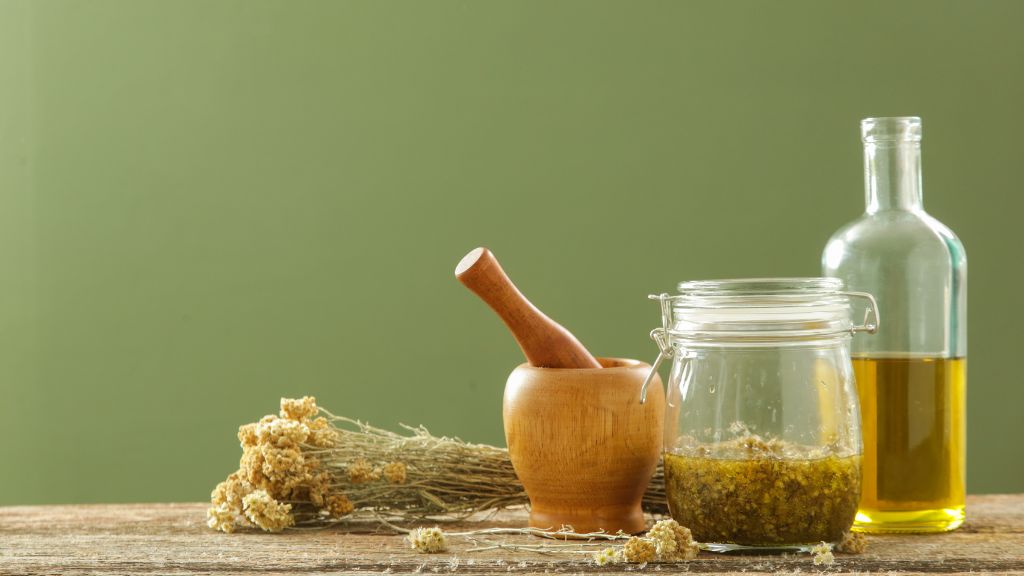
The maceration process is a technique for extracting aromatic compounds from plant materials or allowing fragrance blends to develop and harmonize over time. Maceration involves soaking materials in a solvent at room temperature, letting beneficial compounds transfer into the liquid through extended contact.
In fragrance making, maceration serves two purposes:
Plant extraction maceration: Soak plant material (flowers, herbs, resins) in a solvent like oil or alcohol to extract aromatic compounds, essential oils, and fragrance molecules. This takes several days to weeks depending on the plant material, resulting in infused oils, tinctures, or concentrated extracts for perfume making.
Perfume blending maceration: A rest period after blending fragrance oils with alcohol. This allows scent molecules to marry, stabilize, and harmonize. It takes a few days to several weeks for professional results, producing smoother, more balanced, longer-lasting fragrances.
The maceration extraction process increases surface area contact between plant material and solvent, breaks down cell structures, and allows time for compounds to fully dissolve. Whether you're extracting botanical scents or perfecting a fragrance blend, understanding proper maceration methods helps you create higher-quality products to sell or use.
What Is Maceration in Perfume?
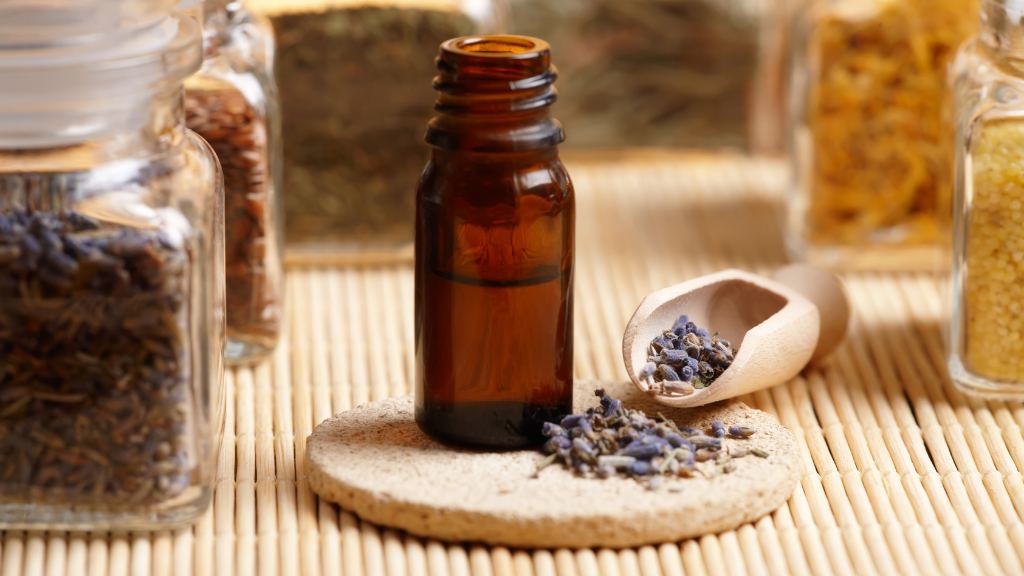
In perfumery, maceration refers to the resting period after blending fragrance concentrate (essential oils, fragrance oils, and aroma chemicals) with alcohol and water, before final filtration and bottling.
What happens during perfume maceration:
- Scent molecules interact and stabilize
- Ingredients "marry" into a unified, harmonious blend
- Harsh notes from alcohol or strong chemicals mellow and soften
- The fragrance develops its full complexity (top, middle, and base notes align)
- Sediment or insoluble particles may settle for easier filtration
Typical maceration timeline:
- Minimum: 48 to 72 hours for simple blends
- Standard: 1 to 2 weeks for most homemade perfumes
- Professional: 3 to 4 weeks for commercial quality
- High-end brands: Several months for longer-aged fragrances
Storage during maceration:
- Cool, dark location away from direct light
- Airtight glass containers (amber or cobalt blue preferred)
- Consistent temperature (avoid heat fluctuations)
- Minimal agitation (gentle shake every few days, optional)
Important distinction: Maceration happens before bottling, in the perfumer's workspace. It's not the same as "aging" a purchased bottle on your shelf. Once a fragrance is properly macerated and bottled, further changes are minimal.
For small business owners: If you're creating fragrance products to sell, proper maceration is your quality control step. It ensures every bottle you ship has a consistent, well-developed scent that won't change dramatically after your customer receives it.
The Two Types of Maceration in Fragrance Work
The term "maceration" means different things depending on where you are in the fragrance-making process. Understanding both types helps you know which techniques to use and when.
Type 1: Extraction Maceration (Creating Raw Materials)
This is the traditional botanical extraction method where you soak plant materials in a solvent to pull out aromatic compounds.
The process works like this: Plant material (petals, leaves, resins, bark) is prepared and submerged in solvent (carrier oil, ethanol, or other extracting liquid). It soaks for an extended period (days to weeks), then gets strained to separate liquid from plant matter. The result is an infused oil, tincture, or concentrated extract you can use as a perfume ingredient.
Common uses include creating custom botanical extracts, extracting scents that don't work well with steam distillation (like delicate flowers), making infused carrier oils for natural perfumery, and producing tinctures from resins and spices.
Type 2: Perfumery Maceration (Finishing Your Blend)
This is the resting period after you've already blended your fragrance formula.
The process: Fragrance concentrate (oils, absolutes, aroma chemicals) is mixed with alcohol, then the mixture rests in a sealed container. Time allows ingredients to integrate chemically, and the blend is filtered before final bottling. The result is a smooth, stable, ready-to-sell perfume.
Which one do you need?
If you're starting from scratch with raw botanicals, you need extraction maceration. If you're blending pre-made fragrance oils and essential oils, you need perfumery maceration. If you're doing both (making some extracts and blending), you'll use both types at different stages.
Most small business owners buying wholesale fragrance oils from suppliers like Africa Imports will focus on perfumery maceration since the extraction work is already done. However, if you want to create signature scents using botanicals, extraction maceration gives you custom raw materials no one else has.
Maceration Extraction Process: Step-by-Step for Plant Materials
Materials and Equipment You'll Need
Before starting the maceration extraction procedure, gather these supplies:
Essential materials: Fresh or dried plant material (flowers, herbs, resins, peels), solvent (carrier oil like jojoba, sweet almond, or fractionated coconut, or ethanol such as vodka 80% proof minimum or perfumer's alcohol), clean glass jars with tight-fitting lids (amber or dark glass preferred), fine mesh strainer or cheesecloth, clean storage bottles (amber glass with dropper or spray top), and labels with permanent marker.
Solvent selection matters: Carrier oils extract oil-soluble compounds, create ready-to-use perfume oils, and have long shelf life (1 to 2 years). Alcohol (ethanol) extracts both oil and water-soluble compounds, evaporates in the final product, and creates tinctures and alcohol-based perfumes.
Preparation: Getting Plant Material Ready
Proper preparation increases extraction efficiency and prevents contamination.
Step 1: Choose quality plant material. Use fresh botanicals at peak fragrance (morning after dew dries) or properly dried material (no mold, stored away from light). Avoid bruised, damaged, or past-prime plants.
Step 2: Clean and prepare. Gently rinse fresh materials to remove dirt or insects, then pat completely dry with clean towels (moisture causes mold). Remove stems, damaged parts, or non-aromatic portions.
Step 3: Break down for better extraction. Cut or tear plant material into smaller pieces. This increases surface area for solvent contact. Don't pulverize into powder (makes straining difficult). Aim for roughly ¼ to ½ inch pieces.
Ratio guidelines: For oils, fill jar ½ to ¾ full with plant material and cover completely with oil. For alcohol, use 1 part plant material to 2 to 5 parts alcohol by weight. Always ensure plant material is completely submerged.
The Maceration Extraction Procedure
Step 1: Combine material and solvent. Place prepared plant material in a clean, dry glass jar. Pour solvent over material until completely covered. Leave about 1 inch of headspace at the top of the jar. Ensure no plant material floats above the solvent line (causes mold).
Step 2: Seal and label. Close the jar with a tight-fitting lid (airtight is essential). Label with plant name, solvent used, date started, and expected end date.
Step 3: Store in optimal conditions. Place in a cool, dark location (closet, cabinet, pantry). Avoid direct sunlight and heat sources. Maintain consistent temperature (60 to 70°F ideal).
Step 4: Maceration period. Minimum is 2 weeks for most materials. Standard is 4 to 6 weeks for best extraction. Extended is up to 8 to 12 weeks for tough materials (roots, resins, bark). Gently shake the jar every 2 to 3 days to redistribute material and prevent settling. Check regularly for signs of mold or spoilage (discard if any appears).
Straining and Finishing Your Extract
Step 1: Initial straining. After the maceration period, place a fine mesh strainer over a clean bowl. Pour the mixture through a strainer to catch plant material. Press gently on plant material to extract remaining liquid (don't squeeze aggressively). Discard spent plant material.
Step 2: Secondary filtration. For a clearer extract, filter again through several layers of cheesecloth or coffee filters (slow but very effective). This removes fine particles and sediment. It's especially important for commercial products.
Step 3: Storage. Transfer filtered extract to clean amber glass bottles. Fill bottles to minimize air exposure (oxidation). Label with plant source, solvent type, date created, and expected shelf life. Store in a cool, dark location.
Shelf life: Oil-based macerations last 1 to 2 years (watch for rancidity). Alcohol-based tinctures last 3 to 5 years if stored properly.
How Long Does the Maceration Process Take?
The maceration process timeline depends on what you're macerating and which method you're using.
For botanical extraction maceration, Quick infusion takes 1 to 2 weeks minimum. Standard extraction takes 4 to 6 weeks for full development. Intensive extraction takes 8 to 12 weeks for tough materials like roots, bark, or resins.
For perfume blending maceration: Minimum is 48 to 72 hours. Home or small batch is 1 to 2 weeks (good quality). Commercial standard is 3 to 4 weeks (professional results). High-end is 6 to 12 weeks or longer.
Factors that affect timing: Plant material type (delicate flowers extract faster than woody resins), particle size (smaller pieces extract faster), temperature (warmer speeds extraction but risks degrading delicate scents), solvent type (alcohol extracts faster than oil), and desired strength (longer maceration equals stronger extract).
How to know when it's done: For extraction maceration, the solvent has changed color significantly, the scent is strong when you open the container, the plant material looks spent or faded, and the liquid smells aromatic and concentrated. For perfume maceration, the alcohol smell has mellowed and integrated, the scent smells smooth and balanced (not harsh), and top, middle, and base notes are distinguishable.
Business timing consideration: If you're making products to sell, build maceration time into your production schedule. Starting a new batch 4 to 6 weeks before you need finished product ensures you're never rushed and quality stays consistent.
How to Let Perfume Oil Macerate
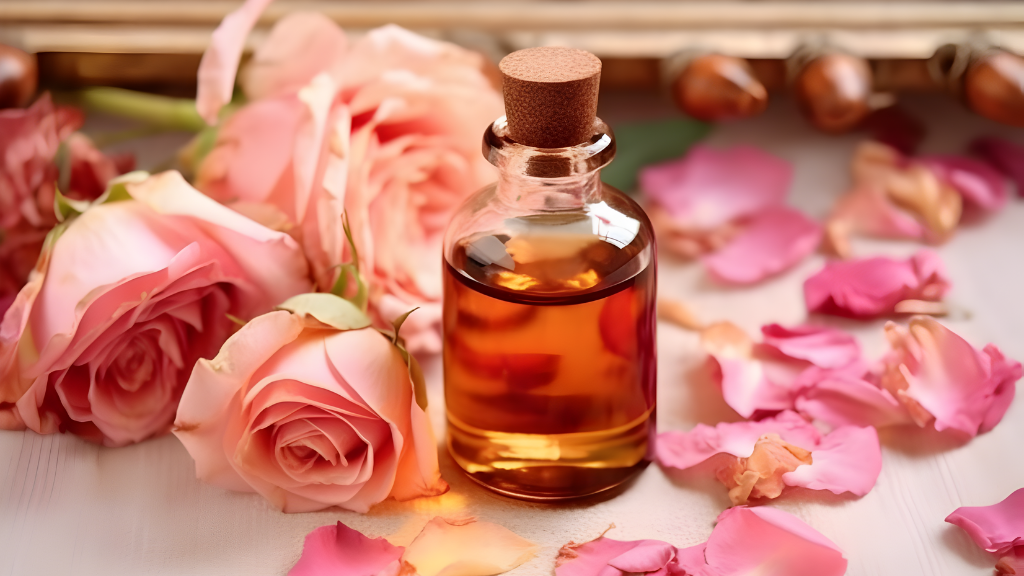
Macerating perfume oil is simpler than botanical extraction because you're working with finished ingredients that just need time to blend.
Step-by-step perfume oil maceration:
- Prepare your blend. Mix your fragrance oils, essential oils, and any aroma chemicals in proper ratios. Add alcohol (perfumer's alcohol or vodka) at your target dilution. Common dilution is 15 to 30% fragrance oils to alcohol for eau de parfum strength. Stir or gently shake to combine thoroughly.
- Transfer to a maceration vessel. Pour into a clean amber or cobalt glass bottle. Fill the bottle to minimize air space. Use glass only (never plastic, which can leach chemicals and affect scent).
- Seal tightly. Cap the bottle securely with an airtight lid. Check that the seal is tight (no evaporation should occur).
- Label clearly. Write the formula name or number, creation date, expected finish date (typically 2 to 4 weeks out), and dilution percentage.
- Store properly. Place in a cool, dark cabinet or drawer. Avoid temperature fluctuations. Maintain 60 to 70°F temperature if possible.
- Gentle agitation (optional). Once every 3 to 4 days, gently roll or tilt the bottle. Don't shake vigorously (can create cloudiness).
- Monitor development. Week 1: Still smells alcoholic, notes haven't integrated. Week 2: Starting to smooth out, less harsh. Week 3 to 4: Well-blended, balanced, mature scent.
- Final steps. Filter through a coffee filter if any sediment appears. Test the scent on skin (not just from the bottle). If satisfied, transfer to final retail bottles.
Small business tip: Create a maceration log tracking batch numbers, start dates, and scent development notes. This helps you maintain consistency across batches and teaches you how your specific formulas develop over time.
How to Maturate a Fragrance
"Maturation" and "maceration" are often confused, but they're slightly different processes in fragrance development.
Maceration is the intentional resting period you control before bottling. Maturation is natural aging that happens after bottling, over months or years. However, many people use these terms interchangeably, and the line between them can blur.
The right approach for business owners: Macerate properly before selling (2 to 4 weeks minimum). Let customers know the fragrance is "ready to wear" upon receipt. Optional: Include a note that fragrance may continue to develop slightly over time. Don't rely on "maturation after purchase" as your quality control.
What happens if you skip proper maceration: Customers receive "immature" fragrance that keeps changing. Scent may smell harsh or unbalanced initially. It could develop differently for each customer depending on storage. Leads to inconsistent reviews and potential returns.
Maceration Methods: Traditional vs Accelerated Techniques
Traditional Maceration (Time-Based Method)
The classic approach relies on time and proper storage conditions.
Advantages: No special equipment needed, gentler on delicate fragrance compounds, proven method used for centuries, low cost (just patience and storage space), reliable and predictable results.
Disadvantages: Time-consuming (weeks to months), requires planning ahead, ties up inventory and production capacity.
Best for: Small-batch artisan perfumes, natural perfumery using botanical extracts, products where quality matters more than speed, and home perfumers learning the craft.
Ultrasonic Maceration (Accelerated Method)
Ultrasonic extraction uses sound waves to speed up the maceration process. Ultrasonic waves create cavitation (tiny bubbles) in the liquid. Cavitation breaks down cell walls and increases extraction efficiency. This can reduce maceration time from weeks to hours or days.
Advantages: Much faster extraction, more efficient compound extraction, lower temperature (protects heat-sensitive aromatics).
Disadvantages: Requires specialized equipment (ultrasonic cleaner or probe), initial equipment investment ($100 to $1000+ depending on scale), learning curve for proper settings.
Sun Maceration (Heat-Assisted Method)
A traditional folk method that uses gentle solar heat to speed up maceration. The sealed jar is placed in a sunny window, and sunlight warms the mixture.
Advantages: Free energy from the sun, faster than cool-dark maceration, traditional method with historical appeal.
Disadvantages: Uncontrolled temperature (can degrade delicate compounds), UV light may damage some aromatics, and inconsistent results depending on the weather.
Best for: Oil-based botanical extracts, robust plant materials that tolerate heat; personal use rather than commercial production.
Common Mistakes in the Maceration Process
Mistake #1: Not removing all moisture from plant materials. Moisture causes mold growth during maceration. Solution: Thoroughly dry fresh plants before macerating in oil.
Mistake #2: Using plastic containers. Plastic can leach chemicals into your extract and absorb fragrance compounds. Solution: Always use glass (amber or cobalt blue preferred).
Mistake #3: Exposing maceration to light and heat. This degrades delicate aromatic compounds and causes oxidation. Solution: Store in a cool, dark location with consistent temperature.
Mistake #4: Rushing the process. Under-macerated extracts are weak; under-macerated perfumes smell harsh. Solution: Follow minimum timing guidelines even when impatient.
Mistake #5: Not filtering thoroughly. Sediment in the final product looks unprofessional and may continue developing. Solution: Use coffee filters for final clarification.
Mistake #6: Inconsistent labeling and record-keeping. You can't remember what's in each jar, when it started, or what ratio was used. Solution: Label everything immediately with the date, contents, ratios, and expected finish date. Batch tracking prevents errors and helps recreate successful formulas.
Mistake #7: Using rancid or old carrier oils for extraction. Off smells transfer to your botanical extract. Solution: Start with fresh, high-quality carrier oils within their shelf life.
Small Business Applications: Using Maceration for Better Products
Creating Signature Botanical Extracts
Stand out from competitors by making your own macerated extracts.
Why bother when you can buy extracts? You can create scents no one else has, use locally-sourced or seasonal botanicals, build brand stories around custom extraction, and control quality and purity.
Best botanicals to start with: Easy extracts include lavender, rose petals, vanilla beans, citrus peels, and coffee beans. Medium difficulty includes jasmine, chamomile, calendula, and cinnamon. Advanced includes resins (frankincense, myrrh), roots (vetiver, orris), and tough bark.
Quality Control Through Proper Maceration
Maceration is your production quality checkpoint.
Quality standards to implement: Minimum maceration time for all products (document in production manual), scent evaluation checklist (harshness, balance, longevity, development), batch consistency testing (compare new batch to reference standard), and proper labeling with batch numbers and production dates.
For wholesale and resale: This allows consistent reorders (customers get the same scent every time), reduces returns from "immature" fragrances, builds trust and reputation for quality, and justifies pricing (properly aged equals professional product).
Educating Your Customers About Maceration
Use your knowledge of maceration as a marketing tool.
On product descriptions: "Aged for 4 weeks for smooth, balanced scent." "Properly macerated for immediate use: no waiting needed." "Small-batch perfume rested until ready."
Answer common questions: "Will my perfume keep changing?" (Minimal change if properly macerated.) "Do I need to age this before wearing it?" (No, it’s ready to use immediately.)
Safety and Best Practices
Preventing contamination: Always sterilize jars before use (boiling water or dishwasher). Dry completely before adding materials. Use clean tools for every batch. Never introduce moisture into oil-based macerations. Discard any batch showing mold or off smells.
Working with solvents safely: Use food-grade ethanol or perfumer's alcohol. Work in a ventilated area when handling alcohol. Store alcohol properly (cool, away from heat sources). Never use methanol or other toxic alcohols. Keep volatile solvents away from flames.
Skin safety: Always dilute extracts before skin application. Patch test new botanical extracts (allergies are possible). Some plants are phototoxic (citrus, angelica root): research before using. Wear gloves when handling staining materials or resins.
Frequently Asked Questions
What's the difference between maceration and extraction?
Maceration is a specific type of extraction method. Extraction is the broad term for removing compounds from plant material (includes steam distillation, solvent extraction, CO2 extraction, etc.). Maceration specifically refers to extraction through soaking in liquid at room temperature over extended time.
Can I speed up maceration by heating?
Yes, gentle warmth can speed extraction, but it risks degrading heat-sensitive aromatic compounds. If you use heat, keep it low (under 100°F) and consistent. Most perfumers prefer patience over heat for better quality results.
Do all perfumes need maceration?
All alcohol-based perfumes benefit from maceration. Oil-based perfumes stabilize faster (3 to 7 days usually sufficient). Even if you're in a hurry, 48 to 72 hours minimum makes a noticeable difference.
What happens if I don't macerate my perfume blend?
The fragrance will smell harsh, unbalanced, or overly alcoholic. Top notes dominate. The scent won't have developed its full complexity. It may continue changing noticeably for your customer, leading to inconsistent experiences.
Can I macerate in plastic bottles?
No. Always use glass for maceration. Plastic can leach chemicals that contaminate your fragrance and can absorb aromatic compounds, weakening your scent. Use amber or cobalt glass bottles with tight-sealing caps.
How do I know if my maceration went bad?
Signs of problems include mold growth (fuzzy spots, especially in oil extractions), rancid smell (off, stale, or sour rather than aromatic), unexpected color changes (browning when it shouldn't), separation that doesn't remix, or chemical smells.
What's the best solvent for botanical maceration?
It depends on your goal. Carrier oils (jojoba, sweet almond) create ready-to-use perfume oils with longer shelf life. Alcohol (ethanol or vodka) extracts more compounds and evaporates in final products. For natural perfumery, oil is often preferred. For stronger extraction, alcohol works better.
Can I reuse plant material for a second maceration?
Generally no. After 4 to 6 weeks, most aromatic compounds have transferred to the solvent. Reusing the same plant material will produce a much weaker extract. Start fresh with new botanicals for each batch.
How should I store finished macerated extracts?
In amber or cobalt glass bottles, tightly sealed, in a cool, dark location. Oil-based extracts last 1 to 2 years. Alcohol-based tinctures last 3 to 5 years. Always label with the creation date and check periodically for signs of degradation.
Ready to start creating your own fragrances?
Africa Imports carries wholesale fragrance oils, carrier oils, and essential oils for perfume makers building their product lines. Shop fragrance oils now to find scents for your next blend, or browse carrier oils for your botanical maceration projects.
Health and Safety Disclaimer
The information in this article is for educational purposes only and is not intended as medical or professional advice. Always conduct a patch test before applying any new product to skin. Some botanical materials may cause allergic reactions or skin sensitivity in certain individuals. If you are pregnant, nursing, or have any medical conditions, consult a healthcare provider before using essential oils or botanical extracts. Africa Imports products are not intended to diagnose, treat, cure, or prevent any disease. When creating products for resale, ensure you comply with all applicable FDA regulations and local laws regarding cosmetic labeling and safety standards.