 USD
USD  GBP
GBP  CAD
CAD  AUD
AUD 

Starting a natural beauty business with African ingredients like shea butter, sea moss, or chebe powder means understanding the rules that keep your customers safe and your business protected. This guide breaks down natural beauty product regulations in plain language, covering FDA cosmetic guidelines and how to label products correctly.
Why Beauty Retail Compliance Matters for Your Business

Understanding Legal Liability and Customer Protection
When you sell beauty products, you're responsible for their safety. If a customer has a bad reaction, you could face legal consequences, even if you didn't make the product yourself.
Business risks include:
- Product liability claims if someone gets hurt
- Legal costs from customer complaints
- Financial losses from product recalls
- Damage to your reputation
Many small business insurance policies won't cover you if you're not following basic safety regulations. Talk to an insurance agent who understands beauty retail to make sure you're protected.
Building Customer Trust Through Regulatory Compliance
Customers who buy natural African beauty products care about quality and safety. When you follow regulations, you show you're running a professional operation. Small businesses that prioritize compliance often grow faster because customers feel safe recommending them to friends and family.
The Cost of Non-Compliance: Real Business Consequences
The FDA regularly issues warning letters to beauty businesses that break the rules. These letters become public record, meaning potential customers can find them online.
Real consequences include:
- FDA warning letters that damage your reputation
- Required product recalls costing thousands of dollars
- Fines and legal fees
- Loss of selling privileges on platforms like Amazon or Etsy
One small business received an FDA warning letter for claiming their shea butter "cured eczema." They had to pull all products, rebrand completely, and lost two years of business growth.
FDA Cosmetic Guidelines: What Small Beauty Retailers Need to Know
FDA vs. USDA Roles: Clearing the Confusion
The FDA regulates:
- Cosmetics applied to skin, hair, or nails
- Soaps marketed with beauty claims
- Any product that changes your appearance or keeps you clean
The USDA regulates:
- Organic certification for ingredients
- Food products and dietary supplements
If you want to call your shea butter "organic," the USDA sets organic standards, but the FDA still regulates how you market it as a cosmetic.
Cosmetic vs. Drug Classifications: The Critical Distinction
The difference between a cosmetic and a drug isn't about what's in the product, it's about what you claim the product does.
A product is a cosmetic when you say it:
- Moisturizes, softens, cleanses, beautifies, or conditions
A product becomes a drug when you claim it:
- Treats or prevents disease, cures conditions, heals, or has medical benefits
Drugs require extensive testing and approval that most small businesses cannot afford.
Small Business Responsibilities Under Federal Law
You must:
- Make sure your products are safe before selling them
- Label products correctly with the required information
- Use only approved color additives
- Follow good manufacturing practices
- Keep records of customer safety complaints
You do not have to:
- Register your business with the FDA (though it's recommended)
- Get FDA approval before selling products
If a customer reports a serious health problem from using your product (hospitalization, permanent health problems, or serious allergic reactions), you're required to document it.
Safety of Shea Butter and Other African Ingredients: Compliance Guidelines

Safety of Shea Butter: What You Can and Cannot Claim
You CAN say:
- "Shea butter moisturizes and softens skin"
- "Traditionally used in African skincare for generations"
- "Rich in vitamins A and E"
- "Can help protect skin from dryness"
You CANNOT say:
- "Cures eczema or psoriasis"
- "Heals scars or stretch marks"
- "Treats any skin condition"
- "Clinically proven to..." (unless you have actual clinical studies)
Sea Moss Safety and Proper Product Positioning
For topical sea moss products:
- Falls under cosmetic regulations
- Can make cosmetic claims about skin feel and appearance
- Cannot claim to treat skin conditions
For ingestible sea moss:
- Falls under dietary supplement regulations (different rules entirely)
- Cannot claim to cure, treat, or prevent disease
If you're selling sea moss for both topical and internal use, keep them as separate products with separate labeling.
Chebe Product Compliance: Traditional Ingredients in Modern Markets
You CAN say:
- "Chebe powder is traditionally used by Basara women in Chad for hair care"
- "Mix with oils to create a hair treatment"
You CANNOT say:
- "Prevents hair loss" or "Cures alopecia"
- "Makes hair grow longer" (growth claims are drug claims)
Traditional use doesn't mean the FDA gives you more freedom with claims. You still need to position chebe as a cosmetic that beautifies, not a drug that treats.
Cosmetic Labelling and Customer Communication Requirements

Required Label Information and Format Standards
Every cosmetic product must include:
1. Identity statement: What the product is (example: "Body Butter")
2. Net quantity: How much product is in the container
- Must be in both US and metric units (example: "8 fl oz (237 mL)")
3. Ingredient list: All ingredients in descending order by weight
- Must use INCI names (example: "Butyrospermum Parkii (Shea) Butter")
4. Name and address: Your business name and full street address
5. Warning statements: Required warnings like "For external use only"
Allergen Disclosure and Safety Warnings
Recommended safety warnings:
- "Patch test recommended before first use"
- "Discontinue use if irritation occurs"
- "For external use only"
- "Keep out of reach of children"
Patch test instructions:
- Apply small amount to inside of wrist or elbow
- Cover with bandage
- Wait 24 hours
- If redness or irritation occurs, do not use
Marketing Claims: What's Allowed vs. What's Prohibited
Safe alternatives to drug language:
Instead of "Heals dry skin" → Say "Used to moisturize very dry skin"
Instead of "Reduces wrinkles" → Say "May smooth the appearance of fine lines"
Instead of "Treats acne" → Say " Helps keep skin clean and clear-looking"
Instead of "Stops hair loss" → Say "Helps maintain healthy-looking hair"
Skin-Safe Formulations and Quality Control
Understanding Ingredient Safety and Compatibility
Key considerations:
- Natural products without preservatives have shorter shelf lives
- Water-based products need preservatives to prevent bacterial growth
- Store products in dark, cool places when possible
- Use airtight containers to prevent oxidation
Customer Testing and Patch Test Protocols
Encouraging patch tests protects your customers and your business. Include patch test instructions on product labels, in product inserts, and on your website.
Handling Customer Reactions and Safety Concerns
When a customer reports a reaction:
- Document everything (customer info, product details, reaction description)
- Respond professionally without admitting fault
- Investigate if other customers reported similar issues
When to consult professionals:
- Any time someone seeks medical treatment
- If multiple customers report the same problem
- Before making public statements about safety issues
US Cosmetic Safety Law: Practical Application for Retailers
Good Manufacturing Practices for Small Businesses
Basic hygiene requirements:
- Wash hands before handling products
- Use clean equipment and containers
- Work in a clean space
- Don't work when sick
Batch tracking:
- Assign each production batch a number or date code
- Record what ingredients went into each batch
- Keep samples from each batch
- Be able to identify which customers bought from which batch
Record Keeping and Documentation Requirements
Keep records of:
- Sales (who bought what, when, and batch numbers)
- Customer feedback (positive and negative)
- Supplier documentation (where you bought ingredients, certificates)
- Safety files (formulations, testing results, adverse events)
Keep records for at least three years.
State and Local Compliance Considerations
Check with:
- Your state's department of health
- Local business licensing office
- Local health department
Some states like California have stricter requirements than federal law. Make sure you understand the rules in the states where you sell.
How Africa Imports Supports Your Compliance Journey
Pre-Tested, Safety-Documented Products
When you buy wholesale from Africa Imports, you get products that are pre-tested for safety, properly labeled, and backed by supplier documentation like safety data sheets and certificates of analysis.
Educational Resources for Regulatory Understanding
Africa Imports provides product usage guides, information about traditional ingredient uses, and guidance on proper storage and handling.
Supplier Partnership for Reduced Risk
Working with Africa Imports means partnering with a company that has 25+ years of experience importing African products and understands both US regulations and African sourcing.
Common Compliance Mistakes and How to Avoid Them
The "Natural Means Safe" Misconception
Natural ingredients can cause allergic reactions, contamination can happen with any product, and some people have sensitivities to specific natural ingredients. Test all products and include proper warnings, regardless of how "natural" they are.
Overstating Product Benefits and Making Medical Claims
Common problem claims:
"This sea moss gel detoxifies your system"
"Our shea butter heals scars"
Instead say:
"This sea moss gel moisturizes and refreshes skin"
"Our shea butter helps keep skin soft and moisturized"
Before posting any product claim, ask: "Am I saying this product treats, prevents, or cures any condition?" If yes, rewrite it.
Inadequate Labelling and Customer Information
Common mistakes:
- Missing ingredient list, net weight, or manufacturer information
- Not explaining how to use the product
- Text too small to read
- Using trade names instead of INCI names
When in doubt, include more information and add warnings.
Building Your Compliance Action Plan
Essential Compliance Checklist for New Retailers
Before you start selling:
- [ ] Research federal, state, and local requirements
- [ ] Register your business and get insurance
- [ ] Create proper labels with all required information
- [ ] Set up record keeping system
For each product:
- [ ] Verify all ingredients are allowed in cosmetics
- [ ] Create accurate ingredient list in correct order
- [ ] Write compliant product claims (no medical claims)
- [ ] Include necessary warnings
When to Seek Professional Regulatory Guidance
Consider consulting a professional when:
- You receive any communication from the FDA
- You're creating complex formulations
- A customer threatens legal action
- You want to make specific claims and aren't sure if they're allowed
Types of professionals who can help:
- Cosmetic chemists or formulators
- Regulatory consultants specializing in cosmetics
- Lawyers experienced in FDA and cosmetic law
Start Your Compliant Beauty Business with Confidence
Understanding natural beauty product regulations gives you the foundation to build a successful, sustainable business. Africa Imports offers wholesale African beauty products with documentation to support your business needs.
Ready to stock your beauty business with compliant, ethically sourced African products? Browse our wholesale beauty and wellness products, or contact our team to discuss which products work best for your needs.
You Might Also Like:

5 MIN READ / BUSINESS BASICS
Introduction to Health & Beauty Business
Learn the fundamentals of launching a small health and beauty business, from startup planning to product ideas.

6 MIN READ / BEAUTY TRENDS
Clean Beauty Movement: What Small Businesses Should Know
A quick guide to the clean beauty movement and how small brands can adapt to meet customer expectations.
4 MIN READ / WELLNESS
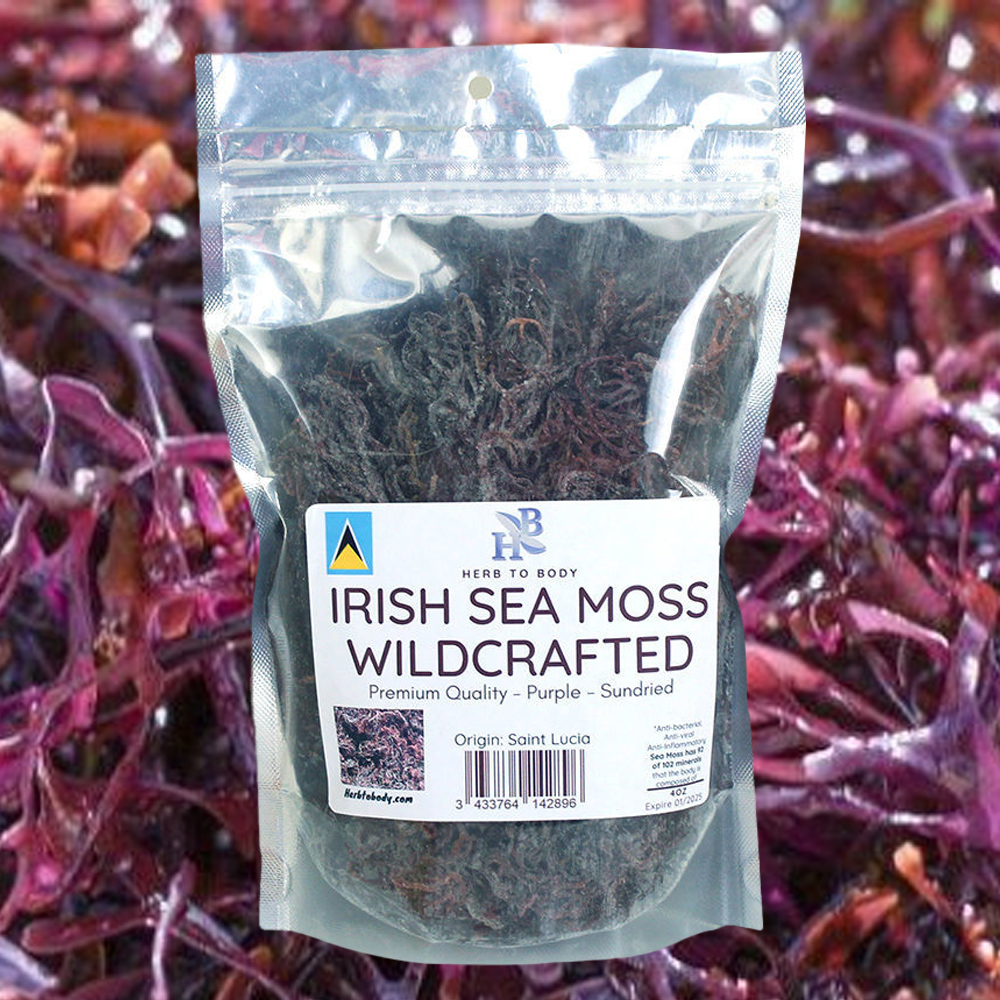
Sea Moss for Thyroid Health
Explore how sea moss supports thyroid function and why it's becoming popular in the natural wellness market.