 USD
USD  GBP
GBP  CAD
CAD  AUD
AUD 
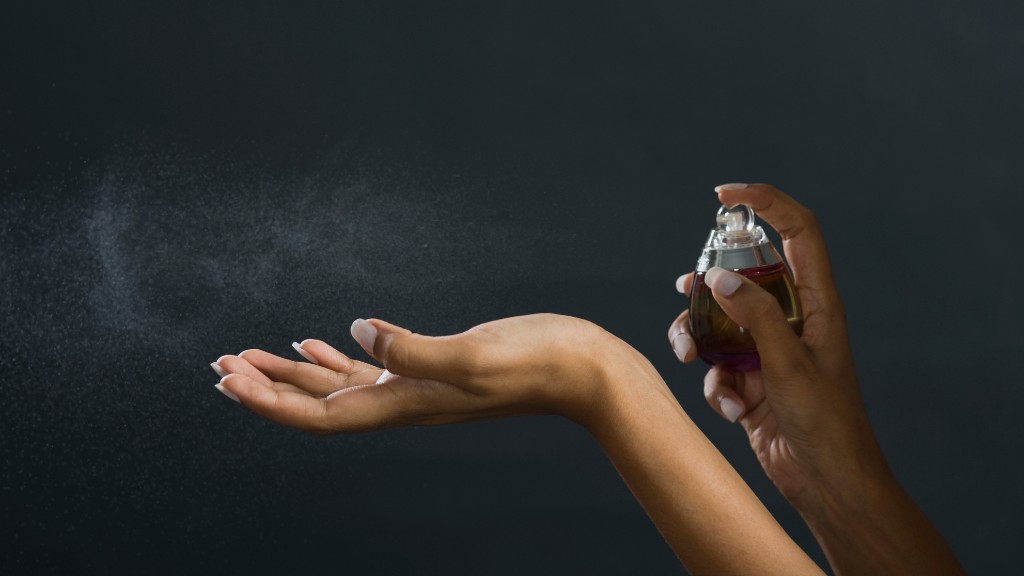
You spray your favorite scent before heading out the door. By lunchtime, it's gone. If this sounds familiar, you're not alone. Perfume longevity is one of the most common frustrations for fragrance lovers and one of the biggest questions small business owners hear from their customers.
The good news? How long a fragrance lasts isn't random. It comes down to science, skin chemistry, and application technique. Understanding these factors helps you choose better products, get more value from every bottle, and if you sell fragrances, educate your customers so they leave satisfied instead of disappointed.
This guide breaks down what actually affects perfume longevity, explains the difference between longevity and sillage, and gives you proven methods to extend wear time regardless of your skin type or climate.
The Science Behind Perfume Longevity
Longevity isn't determined by price or brand name. It's determined by measurable factors you can learn to identify before you buy. Understanding these helps you choose fragrances smarter and set realistic expectations.
Fragrance Concentration: The Foundation of Longevity
The single biggest factor in how long a fragrance lasts is its concentration of aromatic oils:
- Pure Perfume/Parfum: 20-40% aromatic oils. Can last 8+ hours, sometimes into the next day.
- Eau de Parfum (EDP): 15-20% oils. Typically lasts 6-8 hours. The sweet spot for most people.
- Eau de Toilette (EDT): 5-15% oils. Usually 3-5 hours before needing a refresh.
- Eau de Fraiche: 1-3% oils. Very light, fades within 1-2 hours.
Why does higher concentration last longer? More aromatic compounds mean slower evaporation. When there are more scent molecules present, they take longer to fully disperse from your skin. It's simple chemistry.
For small business owners, this matters when choosing inventory. Stocking different concentrations serves different customer needs. Some shoppers want all-day wear and will pay more for it. Others prefer lighter options for everyday use. Pure perfume oils offer maximum concentration at wholesale prices for customers who blend or resell.
Molecular Weight: Why Some Notes Disappear Fast
Ever wonder why you can only smell the citrus in your perfume for the first 30 minutes? It comes down to molecular weight. Fragrances are built in layers called a pyramid:
- Top notes (citrus, light florals, herbs): Small, volatile molecules that evaporate in 15-30 minutes. These create your first impression.
- Heart notes (spices, fruits, some florals): Medium-weight molecules lasting 2-4 hours. This is the main character of the scent.
- Base notes (woods, musk, amber, vanilla, resins): Large, heavy molecules that can last 6-12+ hours. These stick around.
Heavier molecules evaporate slower. That's why woody and oriental fragrances typically have better longevity than fresh or citrus scents.
Long-lasting base notes to look for: sandalwood, patchouli, vetiver, oud, amber, benzoin, frankincense, and myrrh. Short-lived top notes that fade quickly: lemon, bergamot, grapefruit, and mint.
When customers ask for "all-day" scents, guide them toward fragrances with strong base note profiles. This simple tip can prevent returns and build trust.
Your Skin Chemistry Changes Everything
Two people can spray the same perfume and get completely different results. Here's why:
- Oily vs. dry skin: Oily skin has natural oils that trap fragrance molecules, making scents last longer. Dry skin absorbs perfume quickly, pulling it away from the surface where it can project.
- pH levels: Slightly acidic skin holds scent differently than alkaline skin. This affects both longevity and how the fragrance smells.
- Diet and hydration: What you eat and drink can affect fragrance performance. Well-hydrated skin holds scent better.
- Body temperature: Warmer bodies project more but may burn through scent faster.
If you have dry skin, always moisturize before applying fragrance. And always test fragrances on your own skin before buying. How it performs on your friend or on a tester strip means nothing for your experience.
For business owners: educate customers that longevity varies by person, not just by product quality. This manages expectations and builds trust.
Application Method Matters
How you apply perfume matters as much as what you apply:
- Pulse points work because body heat at your wrists, neck, inner elbows, and behind your knees helps diffuse fragrance throughout the day.
- Spray from 5-7 inches for an even mist instead of a concentrated spot.
- Don't rub wrists together. This breaks down fragrance molecules and crushes the top notes.
- Let it dry naturally for proper development and better staying power.
Longevity vs. Sillage vs. Projection
Many people use these terms interchangeably, but they measure different things. Understanding the difference helps you describe fragrances accurately to customers and choose the right scent for each situation.
Longevity is how many hours the fragrance stays detectable on your skin. Measured in time: 2 hours, 6 hours, all day. A fragrance with 8-hour longevity is still noticeable after 8 hours.
Sillage (pronounced see-YAHJ) is the scent trail you leave behind when you walk. From the French word for "wake," like a boat's wake. Light sillage means people only smell you in your personal space. Heavy sillage means people notice you when you enter a room or after you leave.
Projection is how far from your body the scent radiates. Strong projection means people smell you from several feet away. Weak projection means the scent is only noticeable in close conversation.
A fragrance can have great longevity but weak sillage, staying on your skin all day without projecting to others. Or strong projection for 2 hours then fade. Different situations call for different profiles:
- Office: Good longevity, light sillage, moderate projection
- Special occasions: Strong all three
- Intimate settings: Moderate longevity, light projection
Help customers choose based on their actual needs. Some want "all-day" scents (longevity), while others want "people ask what I'm wearing" fragrances (sillage and projection).
Proven Ways to Make Any Fragrance Last Longer
Even if you're working with lighter concentrations or citrus-forward fragrances, these techniques can add hours to your wear time.
The Moisturizer Method
Fragrance needs something to cling to. Dry skin absorbs scent like a sponge, pulling it away from the surface. Moisturized skin creates a barrier that keeps scent molecules on top where they evaporate slowly.
Apply unscented lotion or body oil 2-3 minutes before fragrance. Let it absorb partially, not dripping wet but not completely dry. Focus on pulse points where you'll spray.
The petroleum jelly technique takes this further: apply a small amount to pulse points before spraying. This creates an occlusive barrier that dramatically slows evaporation. It's especially helpful for very dry skin. One note: it can slightly alter how fragrance smells, making it a bit deeper. Test on a small area first.
Strategic Application Points
Classic pulse points: wrists (high circulation, easy to smell), neck/throat (heat rises, creates natural diffusion), behind ears (releases scent when you move), inner elbows (protected from washing), and behind knees (scent rises throughout the day).
Advanced tips: Spray hair from a distance. Hair holds scent well, sometimes better than skin. But be cautious: alcohol-based perfumes can dry hair. Use perfume oils or spray from 8-10 inches away.
Applying to clothing also extends wear time since fabric holds scent longer than skin. Test on hidden areas first, as oils can stain light fabrics. Scarves and collar areas work well.
The Layering Strategy
A complete layering system can extend wear time by 2-4 hours: start with unscented or matching moisturizer, apply fragrance to pulse points, touch up midday with a travel spray.
For business owners, this opens bundling opportunities. Create layering sets with body butter, perfume oil, and travel atomizer. This increases average order value while giving customers better longevity results and fewer complaints.
The Decant Strategy
Most fragrances fade after 4-6 hours regardless of concentration. Small touch-ups maintain the scent without overspraying. Use glass atomizers (3-5ml for portability), label them clearly, and fill in cool rooms away from sunlight.
Sell travel atomizers alongside fragrances, offer decanting as a service, or create discovery sets with multiple 2ml samples. Including a reapplication card with purchases reduces complaints.
The 45-Day Maceration Technique
Allowing perfume to "rest" after bottling improves both scent and longevity. Store new bottles upright in cool, dark places for 45-90 days without opening. Aromatic molecules need time to fully integrate, and fresh bottling often has a harsh alcohol smell that fades with time. Natural oils particularly benefit from settling.
If you're blending custom fragrances to sell, build maceration time into your schedule. Educate customers that newly bottled perfumes improve over 2-4 weeks. This prevents "it doesn't last" complaints from immediate use.
How to Choose Fragrances That Last Longer
Reading Fragrance Notes
Long-lasting fragrance families: Oriental/Amber (vanilla, benzoin, tonka) typically last 8-12 hours. Woody scents (sandalwood, cedar, oud) last 6-10 hours. Gourmand notes (caramel, chocolate, coffee) last 6-10 hours if base-note heavy.
Short-lived families: Citrus (lemon, lime, grapefruit) lasts 2-3 hours. Aquatic/fresh notes last 3-4 hours. Green/herbal scents last 2-4 hours. Light florals (lily of the valley, freesia alone) last 3-4 hours.
When testing, spray on your wrist and wait 6 hours. Don't trust the first 30 minutes. That's just the top notes. The scent at hour 4-6 is what you'll actually smell most of the day.
Storage Secrets That Prevent Degradation
Poor storage doesn't just change how a fragrance smells. It directly reduces how long it lasts on your skin. Degraded perfumes have fewer intact aromatic molecules.
What kills fragrance: Heat breaks down chemical bonds and speeds oxidation. Light (especially UV) degrades molecules. Temperature fluctuations from bathroom storage cause damage. Air exposure leads to oxidation, and partially empty bottles oxidize faster.
Store fragrances: Cool (60-70°F), dark (closet, drawer, or original box), stable temperature, upright position. Signs of degradation: color darkening, harsh top notes, faster fading than usual, visible separation.
For bulk inventory: Store in cool, dark stockrooms rather than retail floors. Rotate first-in, first-out. Date bottles when received. Educate customers on storage with every purchase. Shelf life: sealed perfume oils last 3-5 years; opened oils last 2-3 years; alcohol-based fragrances last 3-5 years sealed, 1-2 years after opening.
Why Your New Bottle Doesn't Last Like Before
"My old bottle was much stronger." This complaint is common, and there are real reasons:
- Reformulations: Brands change formulas due to ingredient restrictions or cost-cutting.
- Batch variations: Natural ingredients vary crop to crop, like wine vintages.
- Olfactory fatigue: Your nose adapts to familiar scents. Ask someone else if they can still smell it.
- Your skin changed: Hormones, medications, and diet affect fragrance performance.
- Storage issues: The product may have sat in a hot warehouse before reaching you.
Small Business Guide: Educating Customers About Longevity
The most common fragrance complaint? "It doesn't last." Here's how to set proper expectations and reduce refund requests.
At point of sale: Explain concentration differences (EDP lasts longer than body spray). Mention skin type affects longevity. Suggest application tips before customers have a chance to complain. Provide small instruction cards with purchases.
Product descriptions should include: Approximate longevity ("Typically lasts 6-8 hours"), note profile ("Base-note heavy for extended wear"), and application tips ("Apply to moisturized skin for best results").
Bundle ideas: Perfume oil + body butter + travel atomizer = "All-Day Scent Kit." Two complementary fragrances + layering guide = "Signature Scent System." Full-size + travel size + storage pouch = "On-the-Go Set." These increase average order value while delivering better customer results.
When customers complain: Ask about purchase date (could be old stock), storage (education opportunity), application method (technique issue), and skin type (chemistry explanation). Offer tips for extending wear. Replace if clearly degraded. Every complaint is a chance to build trust through education.
Frequently Asked Questions
What determines the longevity of a fragrance?
Concentration of perfume oils, molecular weight of fragrance notes, skin chemistry, and storage conditions. Higher concentration and heavier base notes like woods, amber, and musk last longer than light top notes like citrus.
Does jojoba oil make perfume last longer?
Yes, when applied before fragrance. Jojoba oil creates a hydrated base that helps fragrance molecules cling to the skin surface instead of being absorbed. This can extend wear time by 2-3 hours.
What type of scent lasts longer?
Fragrances with heavy base notes: woody scents (sandalwood, cedar, oud), oriental/amber families (vanilla, benzoin), and resinous notes (frankincense, myrrh). These evaporate slowly compared to citrus or aquatic notes.
What is the lifespan of fragrances?
Properly stored fragrances last 3-5 years unopened. Once opened, alcohol-based perfumes last 1-2 years, while pure perfume oils can last 2-3 years. Store in cool, dark places away from temperature fluctuations.
Why can other people smell my perfume but I can't?
Olfactory fatigue or "nose-blindness." Your brain adapts to scents you smell constantly and stops registering them. This doesn't mean the fragrance wore off. Leave the room for 10 minutes and return, or ask someone else.
Which lasts longer: Eau de Parfum or Eau de Toilette?
Eau de Parfum lasts significantly longer, typically 6-8 hours versus 3-5 hours for Eau de Toilette. EDP contains 15-20% perfume oils while EDT has only 5-15%.
Get Fragrance Oils That Last
Looking for perfume oils with serious staying power? Africa Imports offers bulk fragrance oils and perfume oils with high concentration for maximum longevity. Whether you're creating custom blends, reselling to your own customers, or building a signature scent collection, you'll find wholesale pricing on oils that perform. Shop our full range of fragrance oils and perfume oils to find your next bestseller.