 USD
USD  GBP
GBP  CAD
CAD  AUD
AUD 
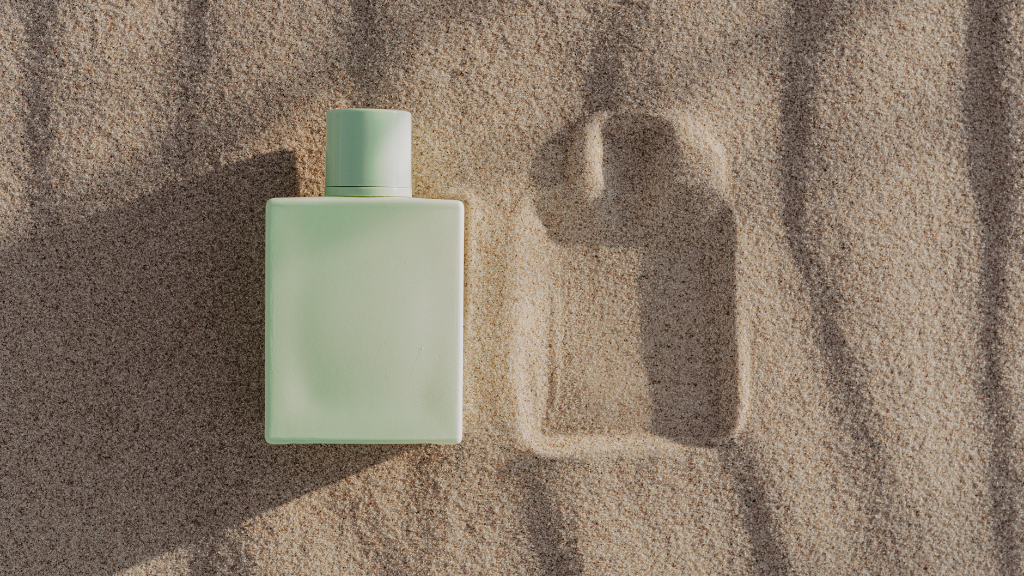
Once you understand the basics of perfume making, the next step is product development and turning your blending skills into a cohesive line of fragrances that customers recognize and love.
This isn't about making random scents and hoping they sell. It's about building a product line with intention: fragrances that work together, tell a story about your brand, and meet real customer needs. Whether you're developing for your own label or creating wholesale products for other businesses, this guide shows you how to do it right.
Strategic Product Development: From Concept to Signature Collection
Market-Driven Product Concepts
Good product development starts with understanding what people actually want to buy, not just what you want to make.
Look at your target market. What scents are they searching for? What problems are they trying to solve? Are they looking for clean, everyday fragrances? Romantic date-night scents? Something bold and memorable for special occasions?
Find out what's selling in your niche. Browse online stores, read reviews, and visit local boutiques. What do customers praise? What complaints come up repeatedly? Where are the gaps you could fill?
Maybe everyone's making sweet vanilla scents, but customers are asking for fresh, green fragrances. Maybe there's demand for unisex options in a market full of traditionally feminine florals. Find the opening and build for it.
Building Your Product Development Roadmap
Don't try to launch ten products at once. Build strategically.
Phase 1: Core collection (3-5 scents)
Start with a small line that covers different fragrance families and occasions. One fresh scent, one warm scent, one floral, one woody. Give customers options without overwhelming them.
Phase 2: Seasonal additions
Once your core is established, add seasonal releases. Fresh citrus for summer, warm spices for winter. Limited editions create urgency and give repeat customers something new.
Phase 3: Expansion and specialization
After you know what works, expand. More options in popular categories. Gift sets. Complementary products. Custom blending services.
Timeline: Plan 3-6 months for developing and testing your core collection. Don't rush.
Balancing Creativity with Commercial Viability
You might love weird, challenging scents. Your customers might not.
The art of product development is creating fragrances you're proud of that people actually want to buy. That means:
Creative but wearable. Push boundaries, but not so far that your perfume sits unused on someone's shelf.
Unique but recognizable. Different enough to stand out, familiar enough to feel comfortable.
Cost-effective but quality. Use interesting ingredients without pricing yourself out of the market.
Test your concepts with potential customers before you produce in bulk. Their feedback matters more than your personal preferences when you're building a business.
Mastering Fragrance Families for Product Differentiation
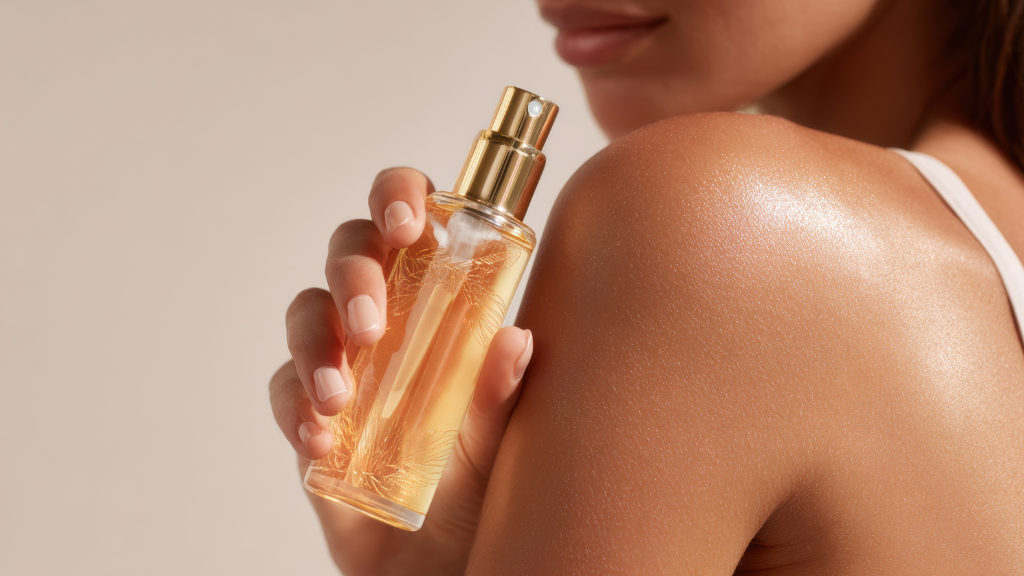
Understanding fragrance families helps you create a balanced product line and communicate clearly with customers.
Floral Scents: From Classic to Contemporary
Florals are the biggest fragrance family - and the most varied.
Classic florals: Rose, jasmine, lily of the valley. These are what most people think of as "flowery" perfumes. They appeal to traditional tastes and older demographics.
Modern florals: Less powdery, more fresh. Think peony, freesia, water lily. Mixed with green notes or citrus to keep them from feeling old-fashioned.
Business application: If you're targeting younger customers, modern florals work better. If your market skews older or more traditional, classic florals are reliable sellers.
Popular blends to try:
- Rose + bergamot + sandalwood (romantic but fresh)
- Jasmine + vanilla + amber (warm and sensual)
- Peony + white tea + musk (clean and contemporary)
Woody Notes: Building Sophisticated Base Profiles
Woody fragrances have a strong appeal across genders, especially important if you want to build unisex products.
Common woody notes: Sandalwood, cedar, vetiver, patchouli. They're grounded, warm, and sophisticated.
Why they matter for business: Woody notes give fragrances staying power and depth. They make perfumes feel more substantial and worth the price. Customers associate woody scents with quality and luxury.
Modern woody trends: Customers want woods that aren't too heavy. Blend woody bases with:
- Citrus for freshness (cedar + grapefruit)
- Spices for warmth (sandalwood + cardamom)
- Light florals for softness (vetiver + neroli)
Target market: Woody fragrances sell well to professionals, men, and women who want something sophisticated for daily wear.
Gourmand Perfumes: The Sweet Science of Edible Fragrances
Gourmand scents smell like food or dessert such as vanilla, caramel, chocolate, coffee, almond.
They're hugely popular, especially with younger customers, but they can be tricky to get right. Too sweet, and they smell like candy instead of perfume. Not sweet enough, and they lose their appeal.
Key gourmand notes:
- Vanilla (the foundation of most gourmands)
- Caramel and tonka bean (warm sweetness)
- Coffee and chocolate (deeper, more grown-up)
- Almond and praline (nutty sweetness)
Making gourmands wearable: Balance sweetness with:
- Woody bases to ground them
- Spices to add complexity (cinnamon, nutmeg)
- Fresh top notes to keep them from being cloying
Business consideration: Gourmands have passionate fans and strong detractors. Some people love them, others hate anything sweet. Market them specifically to their audience.
Creating Unique Fusion Families
The most interesting fragrances combine elements from different families in unexpected ways.
Floral + woody: Feminine but grounded. Wearable for professional settings.
Citrus + gourmand: Freshens up sweet scents. Lemon + vanilla is surprisingly wearable.
Spicy + fresh: Interesting contrast. Ginger + bergamot, or cardamom + mint.
Aquatic + woody: Modern and clean but with depth. Cedar + sea salt notes.
Your unique combinations become your signature. They're what make your brand recognizable and hard to copy.
Advanced Perfume Recipe Development Techniques
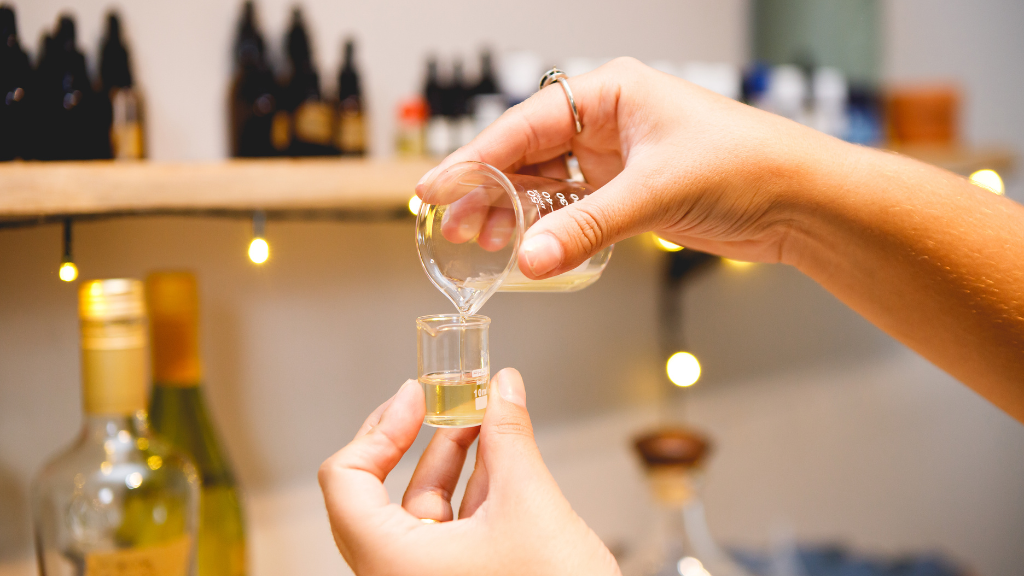
Beyond Basic Ratios: Complex Layering Strategies
The basic top/middle/base structure works, but you can do more.
Accent notes: Small amounts (1-3% of blend) of strong materials that add character without dominating. Think of them as seasoning. A drop of mint in a floral. A touch of leather in a woody blend.
Bridge notes: Ingredients that connect different parts of your blend. Lavender bridges fresh and floral. Amber connects woody and sweet.
Depth layers: Multiple ingredients in the same note category but with different characteristics. Three types of wood instead of one. Two vanillas with different profiles.
This is where you move from beginner to skilled perfumer. You're not just following formulas, you're composing.
Testing New Blends: Systematic Development Process
Here's a better way to develop new fragrances than random trial and error:
Step 1: Start with a concept and structure
Write down what you're trying to create before you start mixing. "Fresh citrus with a warm woody base for daily office wear."
Step 2: Build the base first
Get your foundation right. If the base doesn't work, nothing else will save it.
Step 3: Add middle notes one at a time
Don't dump everything in at once. Add one middle note, test, then add another. This helps you understand how each ingredient affects the blend.
Step 4: Fine-tune with top notes
These come last because they're the most volatile. Small changes in top notes can shift the whole character.
Step 5: Let it rest, test again
Fresh blends smell different than aged ones. Test at 24 hours, one week, two weeks, and four weeks.
Step 6: Document everything
Write down what works and what doesn't. Your notes from failed experiments are just as valuable as successful recipes.
Recipe Refinement and Optimization
Your first version of a perfume is rarely your best version. Refinement is where good becomes great.
Improving longevity: If scents fade too fast, increase base notes or add fixatives. Sometimes you need more of everything, not just stronger ingredients.
Adjusting projection: Weak projection often means your formula is too timid. Increase overall fragrance concentration or choose more powerful oils within each note category.
Cost optimization: Once you have a formula that works, look for ways to reduce costs without sacrificing quality. Can you use a less expensive woody note? Does that vanilla really need to be 10% of your blend, or would 7% work?
Consistency across batches: Test each new batch against your reference sample. If something's off, figure out why before you produce more.
Custom Perfume Creation: Building Bespoke Offerings
Understanding Customer Preferences and Personality Mapping
Custom perfume services can charge premium prices if you do them right.
Start with a consultation. Ask questions:
- What scents do they currently wear and love?
- What scents do they hate?
- What memories or feelings do they want their perfume to evoke?
- When will they wear it; daily, special occasions, work, evenings?
- Do they prefer subtle or noticeable fragrances?
Match personality to scent profiles:
- Bold, outgoing: strong, distinctive scents (spicy, intense florals)
- Quiet, thoughtful: subtle, sophisticated (soft woods, gentle musks)
- Creative, artistic: unusual combinations (unexpected pairings)
- Traditional, classic: time-tested formulas (rose, jasmine, sandalwood)
This isn't science, but it gives you a starting point for development.
Developing Skin-Safe Formulations for Diverse Customers
Different skin types and sensitivities require different approaches.
For sensitive skin:
- Stick to well-tolerated oils
- Keep concentrations conservative (10-15% for EDP)
- Avoid known irritants
- Always recommend patch testing
- Consider offering oil-based alternatives to alcohol
For dry skin:
- Oil-based roll-ons work better than alcohol sprays
- Fragrances last longer on moisturized skin; include usage tips
For oily skin:
- Lighter, fresher scents work better
- Avoid heavy, oily bases
Document any sensitivities or preferences in customer records. If someone returns for a second custom blend, you'll know what worked and what to avoid.
Scaling Custom Creations to Product Lines
Your best custom creations can become standard products.
Pay attention to which custom blends get the most positive reactions. If three different customers independently ask for similar scents, there's probably market demand.
Converting custom to production:
- Perfect the formula with more testing
- Simplify if needed (custom blends can be more complex than you want for production)
- Give it a name and brand story
- Add to your core collection
Custom work is how you discover what customers actually want, not just what you think they want.
Wholesale Product Lines: Developing for Business Growth
Creating Cohesive Collections
If you want to sell wholesale to retailers or spas, individual fragrances aren't enough. You need collections that work together.
What makes a good collection:
- 3-6 scents that complement each other
- Clear theme or story connecting them
- Different enough to give customers choices
- Similar enough to feel like a family
- Appropriate for the target market
Collection examples:
- "Clean Living" collection: Fresh citrus, light floral, soft musk, all for daily wear
- "Evening Out" collection: Sultry florals, warm orientals, sexy musks, all for special occasions
- "Seasonal" collection: Four fragrances representing spring, summer, fall, winter
Collections make it easier for retailers to buy from you. They can stock your entire line instead of picking individual items.
Seasonal and Trend-Based Development
Seasonal fragrances give customers a reason to buy throughout the year and keep your product line feeling fresh, particularly when your releases land inside the best months to sell fragrance oils.
Summer scents: Fresh, bright, citrus-forward. People want to smell clean and energized. Think lemon, bergamot, sea salt, light florals.
Fall/Winter scents: Warm, cozy, comforting. Vanilla, amber, spices, woody notes. People want fragrances that feel like a warm sweater.
Spring scents: Floral but fresh. New beginnings. Cherry blossom, freesia, green notes, light woods.
Holiday limited editions: Special releases for Christmas, Valentine's Day, and Mother's Day. Create urgency and gift-giving opportunities.
Following trends without being a follower: Pay attention to what's popular in fashion and beauty. If "clean girl" aesthetics are trending, develop fresh, minimalist scents. If maximalism is in, create bold, complex fragrances.
Don't copy trends exactly; interpret them in your brand voice.
Price Point Strategy for Different Markets
Not every product needs the same price or margins.
Entry-level products: Smaller sizes (10-15ml), simpler formulas, lower price points. This gets customers in the door to try your brand.
Mid-range: Your core collection. Standard sizes (30-50ml), good quality, fair pricing. Where most sales happen.
Premium/luxury: Larger sizes or special formulations, beautiful packaging, higher margins. For customers who want your best.
Wholesale pricing: Typically 50% of retail. Make sure your costs allow for this or you can't sell through retailers.
Different markets have different expectations. Spa products can command higher prices than farmer's market sales. Online customers expect different pricing than wholesale accounts.
Know your costs, know your market, and price accordingly.
How Africa Imports Accelerates Your Product Development
Unique African-Sourced Ingredients for Signature Scents
Our African-sourced oils give you something different to work with. These aren't the same scents everyone else is using from the same big suppliers.
When you use our oils, you can tell customers a story about where they come from, the communities they support, and the traditions they represent. That authenticity matters to customers who care about ethical sourcing and unique products.
Different materials help you create distinctive fragrances that competitors can't easily copy.
Reliable Supply for Consistent Product Development
Nothing kills product development like inconsistent ingredients. You create a formula you love, customers start buying it, then your supplier changes the oil, and it smells different.
We maintain consistent quality because we work directly with our sources. When you reorder, you get the same product. Your formulas stay consistent. Your customers stay happy.
For businesses scaling up, reliability matters as much as quality.
Trend Insights and Formulation Guidance
We work with perfumers at every level and see what's selling across the market. That gives us insight into trends, popular blends, and what customers are asking for.
Need help developing a specific scent profile? Wondering which oils work well together? Not sure if an idea is viable? Just ask us. We've seen a lot of formulas and can help you avoid common mistakes.
Testing and Refinement: Perfecting Your Products
Consumer Testing Methods for Small Businesses
Before you launch a product, test it with real potential customers, not just friends and family.
Simple testing approaches:
- Give samples to 10-20 people in your target market
- Have them wear it for a week
- Collect feedback via a short survey
- Ask specific questions: How long did it last? Too strong or too weak? Would you buy this?
What you're testing:
- Does the fragrance work across different skin types?
- Is longevity acceptable?
- Is the projection appropriate?
- Does the scent match your marketing description?
- Would people actually buy it?
Negative feedback is valuable. If five people say it's too sweet, believe them and reformulate.
Quality Control Systems for Product Consistency
As you scale up, consistency becomes critical.
Batch testing protocol:
- Make a reference sample of your perfected formula
- Store it properly for comparison
- Test each new production batch against the reference
- Document any differences
- Don't sell batches that don't match
What to check:
- Scent matches reference
- Color is consistent (if applicable)
- Proper dilution and strength
- Labels are correct
- Packaging is undamaged
Quality control catches problems before customers do.
From Development to Launch: Product Readiness Checklist
Finalizing Formulations for Production
Before you launch, make sure your formula is truly ready:
- [ ] Tested for at least 4-6 weeks
- [ ] Passed skin safety tests
- [ ] Recipe documented precisely
- [ ] IFRA compliance confirmed
- [ ] Costs calculated and priced appropriately
- [ ] Supplier sources confirmed and reliable
- [ ] Packaging and labeling designed
- [ ] Production process tested at scale
- [ ] Marketing materials prepared
- [ ] Customer education materials created
Don't skip steps to launch faster. Rushing causes problems later.
Building Your Product Portfolio Strategy
Think about your whole product line, not just individual items:
Launch sequence: Start with your strongest products. Build reputation before launching riskier items.
Product mix: Balance safe sellers with interesting experiments. 70% reliable, 30% innovative is a good split.
Expansion timing: Add new products when existing ones are selling consistently, not when sales are slow. New products pull attention from existing ones—make sure you can afford that.
Retirement strategy: Not every product will be a winner. Be willing to discontinue poor sellers and replace them with better options.
Ready to develop your signature fragrance line?
Africa Imports provides the oils, consistency, and support you need to create distinctive perfumes that stand out in the market. Shop our fragrance oil collection and start building your product line today.
Health and Safety Disclaimer
Always follow IFRA guidelines and safety protocols when developing new perfume formulations. Perform proper testing and maintain detailed development records. Consult safety professionals for complex formulations or high-volume production. Africa Imports fragrance oils are for external use only and should be properly diluted before application according to IFRA safety standards.
You Might Also Like

6 MIN READ / FRAGRANCE SCIENCE
The Science of Scent
Uncover how different scents influence memory, mood, and human behavior through fascinating fragrance science.
5 MIN READ / AROMATHERAPY
How Scents Help Achieve Emotional Balance
Explore how fragrance can calm your mind, boost happiness, and restore harmony through mindful scent use.
7 MIN READ / WELLBEING
How Fragrance Oils Can Improve Wellbeing & Productivity
Learn how certain fragrance oils can uplift energy levels, enhance focus, and improve overall wellness.