 USD
USD  GBP
GBP  CAD
CAD  AUD
AUD 
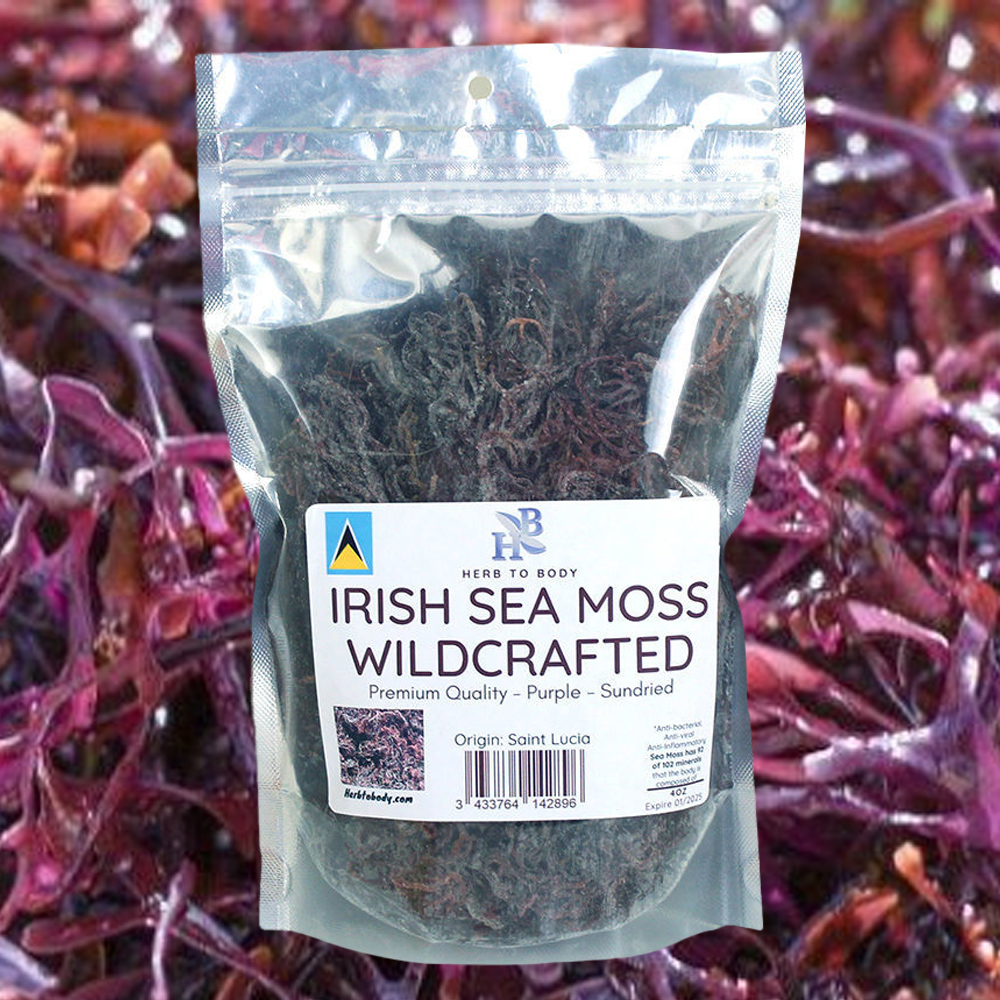
Sea moss has become popular in wellness circles, especially among people looking for natural ways to support their thyroid health. If you're a small business owner or someone who makes their own health products, you've probably noticed customers asking about sea moss and what it can do for thyroid problems.
The truth is, sea moss does contain nutrients that your thyroid needs to work properly. But like many natural products, it's not as simple as "more is better." Understanding how sea moss affects thyroid health can help you make better decisions for yourself and give your customers accurate information.
Why Iodine Matters for Thyroid Function
Your thyroid is a small gland in your neck that controls how fast your body uses energy. Think of it like the gas pedal for your metabolism. To do its job, your thyroid needs iodine; a mineral that comes from food and supplements.
Your thyroid uses iodine to make two important hormones: T3 and T4. These hormones tell your body how fast to burn calories, how warm to keep you, and how quickly your heart should beat. Without enough iodine, your thyroid can't make enough of these hormones, which can leave you feeling tired, cold, and sluggish.
However, too much iodine can also cause problems. When you get too much, it can actually make your thyroid work too hard or even shut down completely. This is why understanding iodine balance is so important when talking about sea moss.
Sea Moss and Iodine: What You Should Know
Sea moss is a natural source of iodine, which is why people connect it with thyroid health. The amount of iodine in sea moss can vary quite a bit depending on where it grows and how it's processed.
Sea moss and thyroid health have been linked in traditional medicine for generations. Wildcrafted sea moss, which is one type of sea moss, typically contains iodine levels that can range from moderate to high. Other types of sea moss might have different amounts.
The problem is that there's no standard amount of iodine in sea moss. One batch might have a little, while another batch from the same supplier could have much more. This makes it hard to know exactly how much iodine you're getting, which is important information for thyroid health.
This variability is something to keep in mind whether you're using sea moss yourself or selling it to others. It's one reason why many health experts recommend caution when using sea moss specifically for thyroid support.
Potential Benefits of Sea Moss for Thyroid Support
Some people use sea moss as part of their wellness routine, and there are a few reasons why it might be helpful for overall health:
For people with low iodine levels: If someone doesn't get enough iodine from their regular diet, sea moss might help fill that gap. However, it's important to know that true iodine deficiency is rare in the United States because our salt is fortified with iodine.
Supporting gut health: Sea moss contains fiber and other compounds that some people find helpful for digestive health. Since gut health can affect how well your body absorbs nutrients (including those needed for thyroid function), this could be an indirect benefit.
General wellness support: Some people report better energy levels or skin health when using sea moss, though these effects vary from person to person.
It's worth noting that sea moss benefits go beyond just iodine. The seaweed contains other minerals and nutrients that contribute to overall health. However, if you're looking specifically for a thyroid support supplement, it's important to understand that sea moss isn't a targeted thyroid medication.
Important note: Some people use sea moss as part of a wellness routine to support overall health, but it's important to consult a healthcare provider before using it for thyroid support, especially if you have existing thyroid conditions.
The Risks of Using Sea Moss for Thyroid Health
While sea moss can be part of a healthy diet, there are some real risks to be aware of, especially when it comes to thyroid health:
Iodine overload: This is the biggest concern. Too much iodine can trigger thyroid problems or make existing ones worse. People with conditions like hyperthyroidism need to be particularly careful about iodine intake.
Jod-Basedow phenomenon: This is when too much iodine causes hyperthyroidism in people who previously had normal thyroid function or mild thyroid problems. It's more common in older adults and people who have lived in areas with low iodine intake.
Medication interactions: Sea moss can interfere with thyroid medications. If someone is taking the best medicine for hypothyroidism prescribed by their doctor, adding sea moss without medical supervision could affect how well their medication works.
Hyperthyroidism and sea moss: For people who already have an overactive thyroid, the extra iodine in sea moss can make symptoms worse. This includes things like rapid heartbeat, anxiety, and trouble sleeping.
Carrageenan concerns: Some types of sea moss contain carrageenan, a compound that some people prefer to avoid due to digestive sensitivity.
These risks don't mean sea moss is dangerous for everyone, but they do mean that people should use it thoughtfully, especially if they have thyroid issues or take thyroid medications.
Safe Ways to Use Sea Moss in Your Wellness Routine
If you or your customers want to try sea moss, here are some guidelines for safer use:
Start with your doctor: Anyone with thyroid problems, or anyone taking thyroid medication, should talk to their healthcare provider before adding sea moss to their routine. This is especially important because thyroid medications need to be carefully balanced.
Start small: Begin with small amounts to see how your body responds. Many people find that a small spoonful of sea moss powder a few times a week is enough.
Choose quality products: Look for third-party tested sea moss from reputable suppliers. At Africa Imports, we focus on ethical sourcing and quality control to ensure our sea moss meets high standards.
Don't rely on it alone: Sea moss works best as part of a balanced diet and healthy lifestyle, not as a standalone solution for thyroid problems.
Pay attention to your body: If you notice symptoms like rapid heartbeat, anxiety, trouble sleeping, or feeling jittery, stop using sea moss and talk to a healthcare provider.
Tips for Small Business Owners Selling Sea Moss
If you're selling sea moss products, here's how to do it responsibly:
Focus on tradition and general wellness: Market sea moss for its traditional uses and general nutritional benefits rather than making specific medical claims. You can say things like "Rich in natural minerals" or "Some people add this to smoothies or teas as part of a wellness routine."
Use careful language: Avoid claiming that sea moss can cure or treat thyroid problems. Instead, focus on what it is; a nutrient-rich seaweed that some people enjoy as part of their wellness routine.
Include proper disclaimers: Always include language like "Not intended to diagnose, treat, cure, or prevent any disease" and "Consult your healthcare provider before use, especially if you have thyroid conditions."
Example product description: "This wild-harvested sea moss is rich in natural iodine and minerals. Some people use it to support their wellness routines. Not intended to diagnose or treat any medical condition."
Educate your customers: Provide information about potential interactions with medications and the importance of moderation. This builds trust and shows you care about their wellbeing.
Keep good records: Know where your sea moss comes from and how it's processed. This helps you answer customer questions and ensures quality.
Balance, Not Overload
The key thing to understand about using sea moss for thyroid health is balance. Sea moss has potential benefits as a natural source of iodine and other nutrients, but more isn't always better. The thyroid needs just the right amount of iodine to function properly; too little or too much can both cause problems.
For small business owners and home formulators, this means being honest about what sea moss can and can't do. It's a nutritious addition to a healthy diet, but it's not a magic cure for thyroid problems.
At Africa Imports, we're committed to providing high-quality, ethically sourced sea moss while giving you the information you need to use it safely and market it responsibly. We believe in the power of natural products when used thoughtfully and with proper guidance.
Ready to source high-quality sea moss for your business?
Explore our ethically sourced, third-party tested sea moss products at Africa Imports. We're committed to providing the quality and transparency you need to serve your customers responsibly.
Frequently Asked Questions
Can sea moss help with hypothyroidism?
Sea moss contains iodine, which is needed for thyroid hormone production. However, people with hypothyroidism should talk to their doctor before using sea moss, especially if they're already taking thyroid medication. The iodine in sea moss can affect how well thyroid medications work.
Is sea moss good for hyperthyroidism?
No, sea moss is generally not recommended for people with hyperthyroidism. The extra iodine can make an overactive thyroid worse and increase symptoms like rapid heartbeat and anxiety.
How much iodine is in sea moss?
The amount of iodine in sea moss varies widely depending on where it's grown and how it's processed. There's no standard amount, which is why it's hard to control iodine intake when using sea moss.
Can too much sea moss cause thyroid problems?
Yes, consuming large amounts of sea moss can lead to iodine overload, which can trigger thyroid problems or make existing ones worse. This is why moderation is important.
Should you take sea moss if you're already on thyroid medication?
Always consult with your healthcare provider before adding sea moss to your routine if you're taking thyroid medication. The iodine in sea moss can interfere with how well your medication works.
What kind of sea moss is best for thyroid support?
There's no specific type of sea moss that's "best" for thyroid support. The most important factors are quality, proper sourcing, and third-party testing. Remember that sea moss should complement, not replace, proper thyroid care.
Are there any side effects of sea moss for thyroid health?
Possible side effects include symptoms of too much iodine, such as rapid heartbeat, anxiety, trouble sleeping, or digestive upset. Some people may also be sensitive to carrageenan found in certain types of sea moss.
How should small businesses talk about sea moss and thyroid health?
Focus on sea moss as a traditional, mineral-rich food rather than making medical claims. Use careful language, include proper disclaimers, and encourage customers to consult healthcare providers for thyroid-related concerns.