 USD
USD  GBP
GBP  CAD
CAD  AUD
AUD 

Making soap is rewarding, but safety should always come first. Whether you're crafting bars for your local farmers market or creating special gifts for family and friends, understanding soap making safety and regulations protects both you and the people who use your products.
The world of soap making can feel overwhelming when you start thinking about safety rules and regulations. But here's the thing – most safety guidelines are really just common sense wrapped up in official language. When you break it down, it's all about making sure your soap won't hurt anyone and that people know what they're putting on their skin.
As a small soap maker, you might think regulations don't apply to you the same way they do to big companies. That's not entirely true. While you may have fewer formal requirements than large manufacturers, you still have a responsibility to create safe products. Plus, following basic safety practices protects you from potential problems down the road.
Why Safety Matters in Soap Making
Protecting Customers
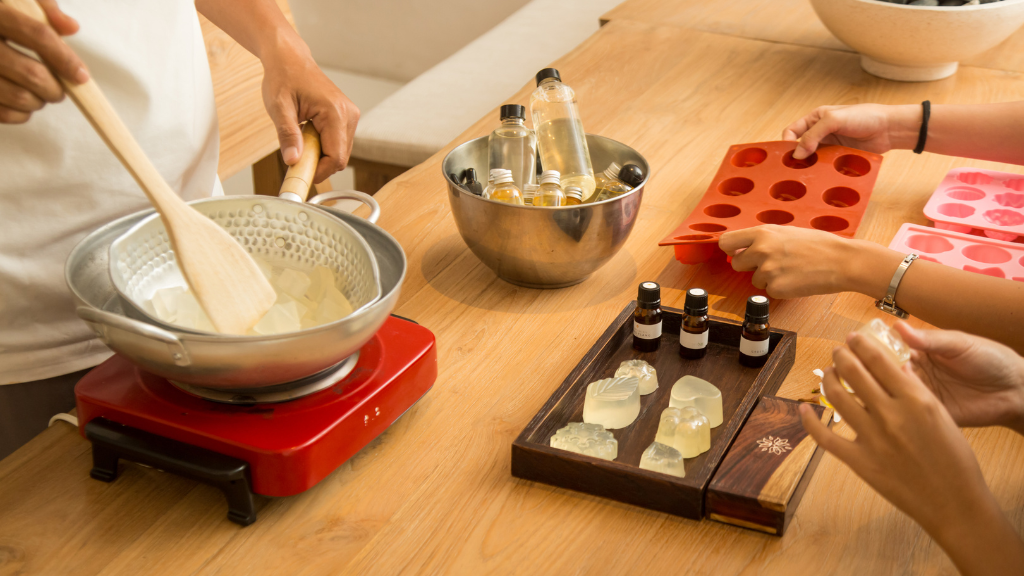
Your customers trust you to create something safe for their skin. This trust is precious, especially in small business relationships where word-of-mouth can make or break your reputation. When someone buys your soap at a farmers market, they're often buying it because they believe handmade products are safer and more natural than store-bought alternatives.
The most common safety issues in homemade soap come from using too much fragrance oil, not properly measuring ingredients, or failing to warn people about potential allergens. These problems are completely preventable when you follow basic guidelines.
Protecting Your Business
Even small soap businesses can face legal issues if someone has a bad reaction to their products. While you can't prevent every possible reaction, following safety guidelines shows you acted responsibly. This matters if you ever need to defend your practices.
Good safety practices also help you avoid costly mistakes. When you measure ingredients correctly and follow established usage rates, you waste less product and create more consistent results.
Fragrance Oil Safety Standards
IFRA Guidelines Explained
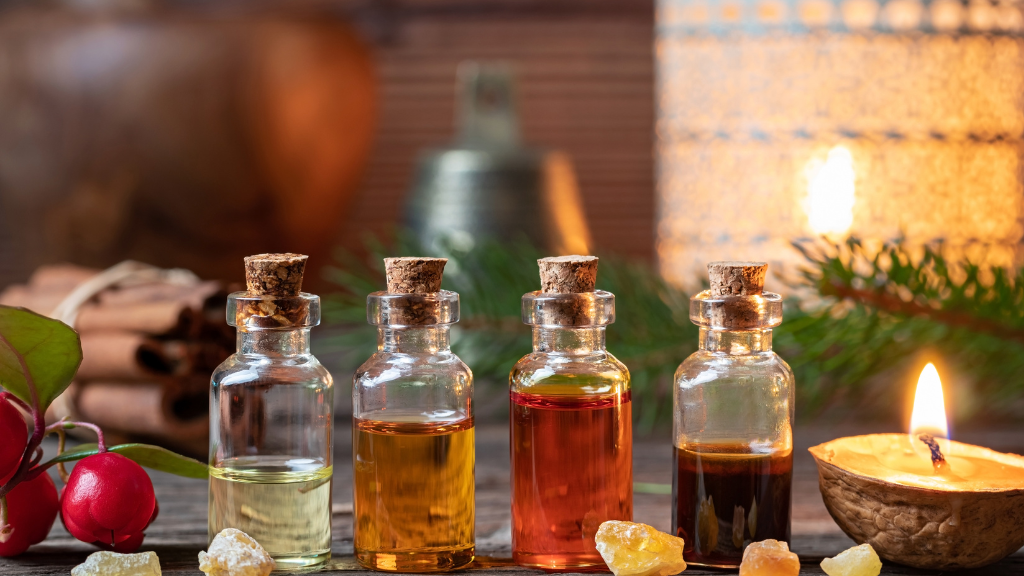
The International Fragrance Association (IFRA) sets safety standards for how much fragrance oil you can safely use in different types of products. These aren't just suggestions – they're based on scientific testing to prevent skin irritation and allergic reactions.
For soap making, fragrance oils fall into IFRA Category 9, which typically allows for higher usage rates than products like lotions or perfumes. This is because the soap-making process and the way people use soap (washing it off rather than leaving it on skin) reduces the risk of irritation.
Most fragrance oils for soap can be used at 3-6% of your total recipe weight, but you should always check the specific IFRA certificate for each fragrance oil you use. Going over these limits doesn't make your soap smell stronger – it just increases the risk of skin problems.
Usage Rates in Soap Making
Think of usage rates like speed limits. You might be able to drive faster without crashing, but the speed limit exists to keep everyone safe. The same principle applies to fragrance oils in soap.
When calculating usage rates, measure by the total weight of your soap recipe, including oils, lye, and water. If your recipe weighs 1000 grams total and your fragrance oil has a maximum usage rate of 4%, you can use up to 40 grams of that fragrance.
Labeling and Compliance Requirements
Ingredient Disclosure
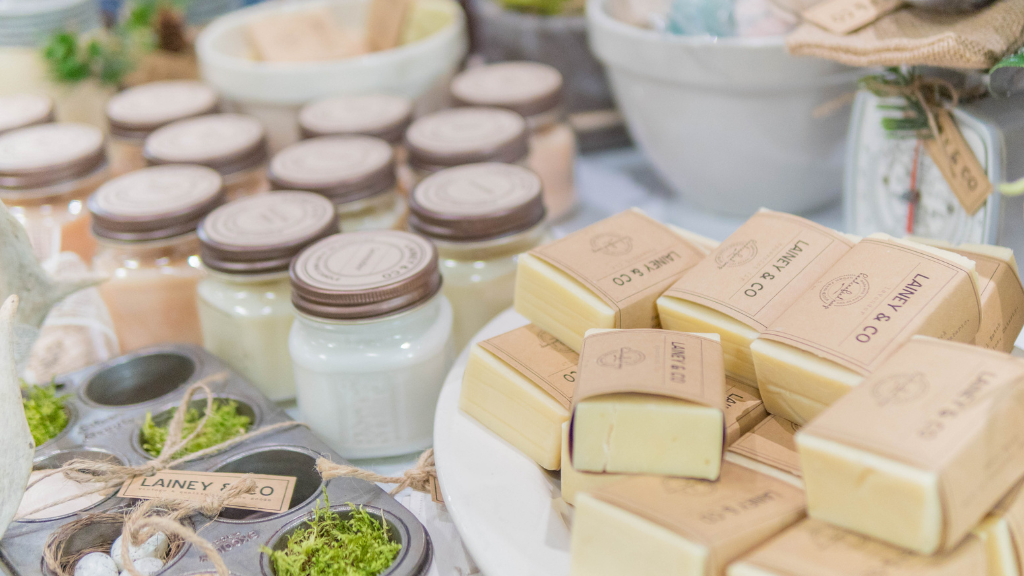
Even small soap makers should list ingredients on their labels. This helps customers with allergies or sensitivities make informed choices. You don't need fancy labels, but you do need accurate ones.
List ingredients in descending order by weight, using their common names rather than chemical names when possible. For example, write "coconut oil" instead of "sodium cocoate" – your customers will understand it better.
Allergen Information
Some fragrance oils contain allergens that must be listed separately on your label if they're present above certain levels. The most common ones include linalool, limonene, and citronellol. Your fragrance oil supplier should provide this information in their documentation.
When in doubt, it's better to include allergen information than to leave it off. A simple statement like "Contains: linalool, limonene" can prevent problems for sensitive customers.
Educating Customers On Using Your Handmade Soap

Providing Guidance on Safe Usage
Your customers need to know how to use your soap safely. This is especially important if you're using ingredients that might be unfamiliar to them or if your soap has special properties.
Include simple care instructions with your soap. Let customers know if your soap needs to cure longer, if it should be kept dry between uses, or if it's particularly rich and should be used sparingly.
Common Mistakes to Avoid
Don't assume your customers know how to store handmade soap properly. Unlike commercial soap, handmade bars often need better ventilation and shouldn't sit in puddles of water.
Also, be honest about what your soap can and cannot do. Avoid making medical claims or promising that your soap will cure skin conditions. Stick to basic benefits like "moisturizing" or "gentle cleansing."
How Africa Imports Supports Safety
Tested Fragrance Oils
All fragrance oils from Africa Imports come with proper documentation, including IFRA certificates and safety data sheets. This takes the guesswork out of determining safe usage rates for your soap recipes.
Documentation for Compliance
When you purchase high-quality fragrance oils from Africa Imports, you receive the documentation you need to make informed decisions about your formulations. This includes information about allergens, usage rates, and safety precautions.
Having proper documentation also helps if you ever need to answer questions about your ingredients or demonstrate that you followed safety guidelines.
Ready to create safe, beautiful soaps?
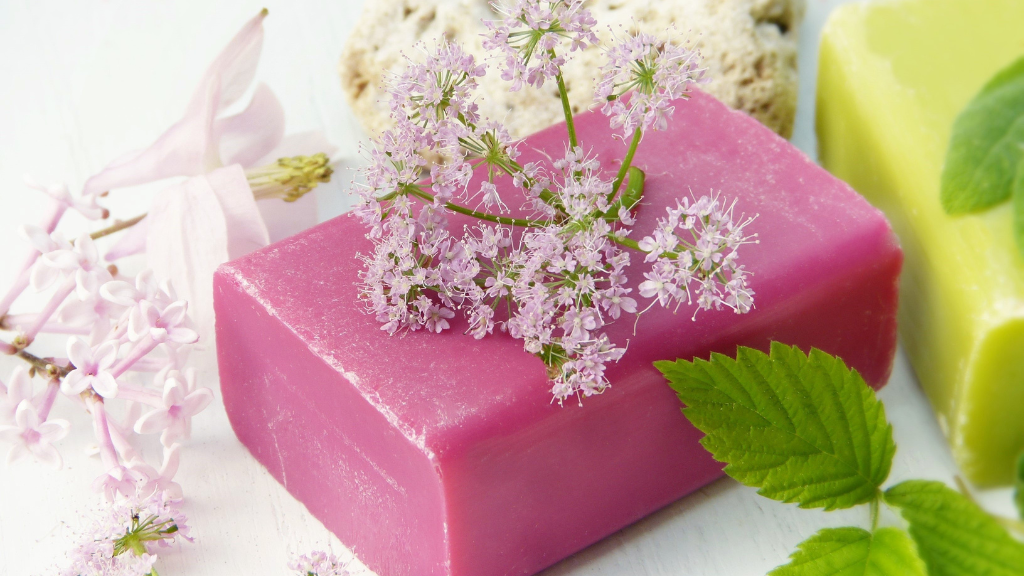
Browse our collection of IFRA-compliant fragrance oils, complete with all the safety documentation you need for confident soap making.
Health and Safety Disclaimer
This information is for educational purposes only and should not be considered medical or legal advice. Always consult with qualified professionals regarding specific safety requirements for your business. Individual reactions to cosmetic products can vary, and it's important to patch test products before use. The information provided here is based on general guidelines and may not cover all applicable regulations in your area.
You Might Also Like
5 MIN READ / SOAP MAKING
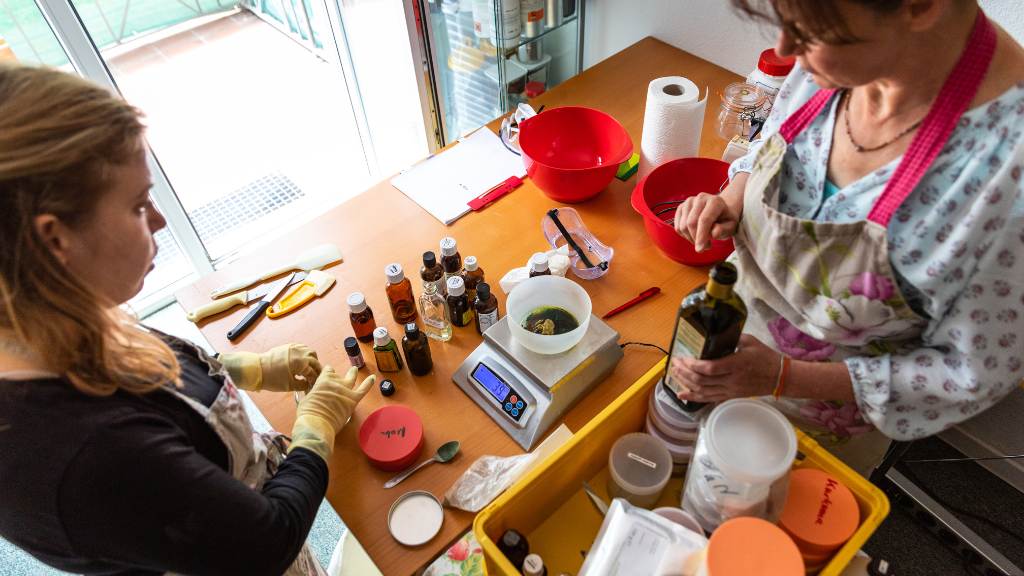
Adding Your Fragrance to Your Black Soap Paste
Learn how to properly mix fragrance oils into your African black soap paste to create rich, aromatic soaps that customers love.

6 MIN READ / FRAGRANCE INSIGHTS
The Science of Scent
Discover how scents affect the brain, emotions, and memory — and how this science shapes the world of fragrance creation.
7 MIN READ / WELLBEING
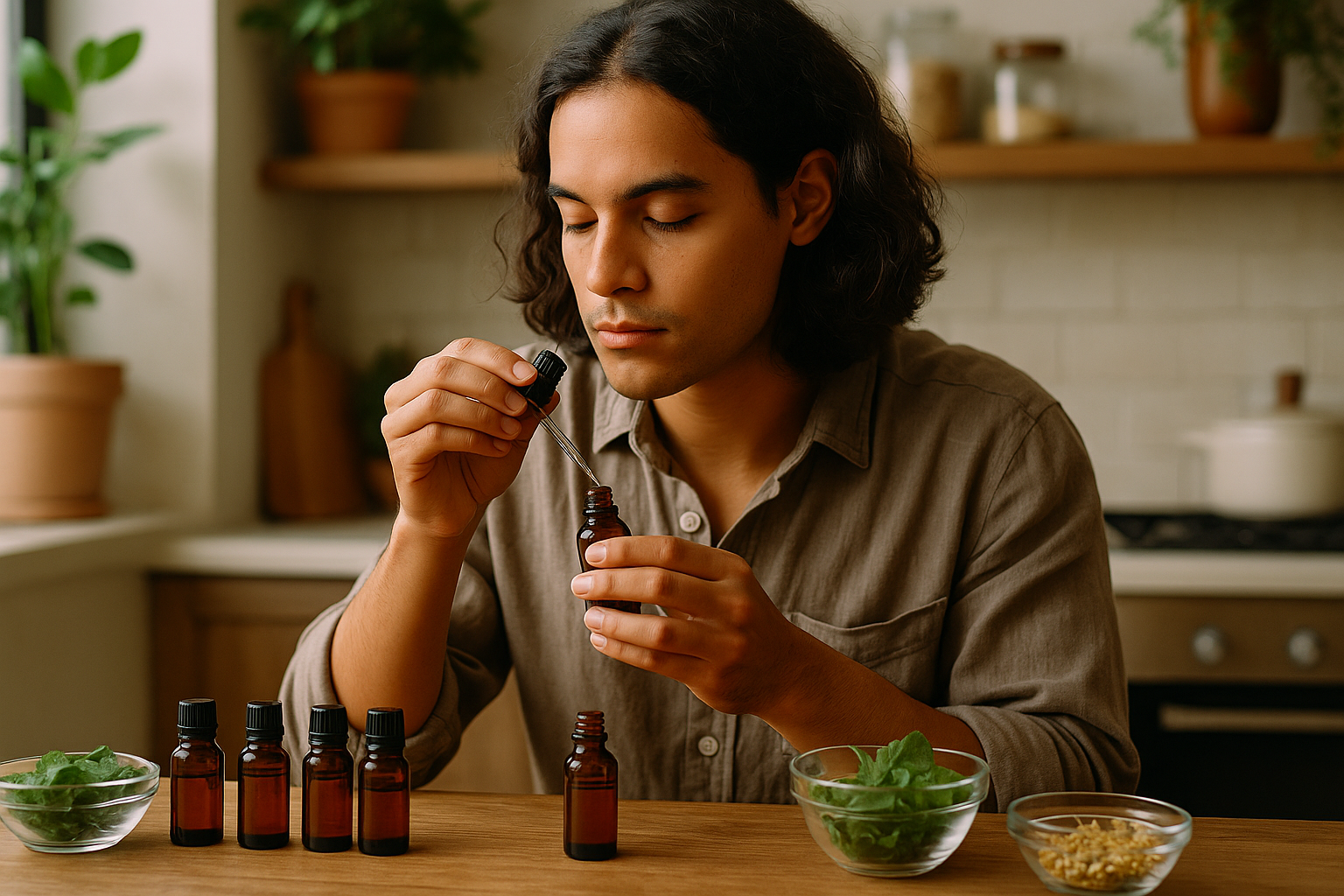
How Fragrance Oils Can Improve Wellbeing and Productivity
Explore how fragrance oils can boost focus, lift mood, and promote relaxation — perfect for creating balance in daily life.