 USD
USD  GBP
GBP  CAD
CAD  AUD
AUD 
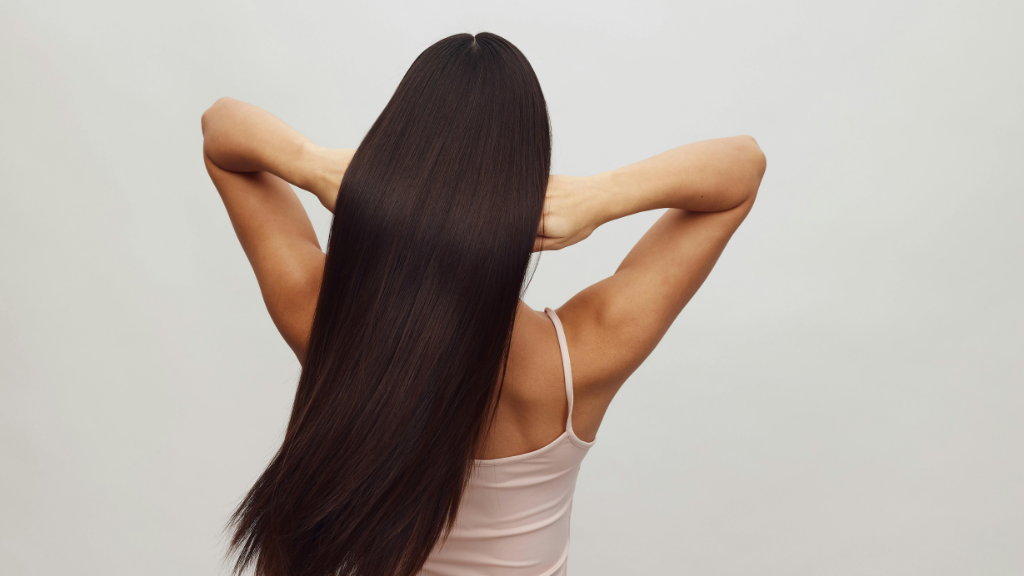
Chebe powder has helped women in Chad grow waist-length hair for generations. But here's what most people get wrong: chebe doesn't actually make your hair grow faster. What it does is stop your hair from breaking off, so you get to keep more of the length you're already growing.
That's the real "secret" behind those stunning results you see on social media. Less breakage means longer hair over time.
This guide covers everything you need to know about using chebe powder for hair, including how to mix it, apply it, and which product format works best for your routine. Whether you're new to chebe or looking to improve your results, you'll find practical steps you can start using today.
What Is Chebe Powder?
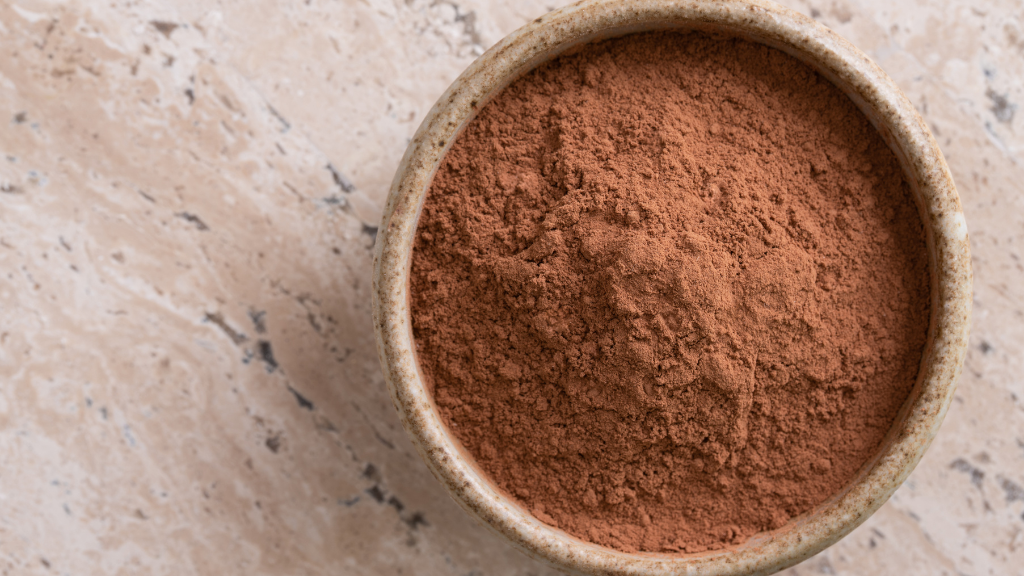
Chebe (pronounced shay-bay) is a traditional hair treatment from Chad, a country in Central Africa. The Basara Arab women of this region are known for their hair, which often reaches past their waists. They've been using chebe for centuries to keep their hair strong, moisturized, and protected from breakage.
Traditional chebe powder is made from a blend of ingredients native to Chad and Sudan, including:
Chebe seeds (Croton zambesicus, also called Lavender Croton): The main ingredient, these seeds come from a shrub that grows in the region. They're roasted, ground, and sieved into a fine powder.
Mahllaba Soubiane seeds: Also known as cherry seeds from Chad, these add conditioning properties to the blend.
Cloves: Ground cloves contribute to the powder's distinctive scent and may support scalp health.
Missic stone: A fragrant stone that gives chebe its earthy, musky aroma.
Samour resin (acacia gum): This helps bind the mixture and adds to its protective coating effect.
To prepare the powder for use, Chadian women mix it with oils and sometimes animal tallow to create a paste. They then apply this paste to their hair, braid it, and leave it in for several days before rinsing and reapplying. This routine, combined with low-manipulation styling, is the foundation of their hair care practice.
The best oils for mixing chebe powder are nourishing carrier oils like jojoba, coconut oil, and olive oil as well as herby and refreshing essential oils like peppermint, rosemary, and lavender that work particularly well in hair care products to nourish and protect the scalp.
Does Chebe Powder Really Grow Hair?
Let's clear up the biggest misconception about chebe: it does not directly stimulate hair follicles or speed up how fast your hair grows. There are no clinical studies showing that chebe makes hair sprout faster from your scalp.
So why does it seem to work so well?
Chebe helps you keep the hair you grow by preventing breakage. When your hair doesn't break off at the ends, you retain more length over time. The result looks like faster growth, but it's actually length retention.
Here's what chebe actually does for your hair:
Strengthens the hair shaft: The powder coats each strand and helps fill in gaps along the cuticle, making hair more resilient to everyday wear and damage.
Locks in moisture: When mixed with oils or butters, chebe creates a protective barrier that seals hydration into the hair. Moisturized hair is less prone to snapping and splitting.
Reduces friction between strands: Well-coated, lubricated hair tangles less and experiences less mechanical damage from combing, styling, and sleeping.
The Chadian women who use chebe combine it with two other practices that contribute to their results: they apply it regularly (every 3-5 days), and they keep their hair in low-manipulation protective styles. It's the combination of all three factors, not chebe alone, that leads to such dramatic length retention.
Bottom line: If you're looking for a treatment that will make your hair grow overnight, chebe isn't it. But if you want to stop the breakage that's been keeping you from reaching your length goals, chebe is worth trying.
Benefits of Chebe Powder for Hair
Moisture Retention and Hydration
Dry hair breaks. It's that simple. Chebe powder, when mixed with the right carrier oils and essential oils, penetrates the hair shaft and helps seal in moisture. This is especially helpful for curly and coily hair types (3A through 4C), which tend to be naturally drier because the hair's coiled structure makes it harder for natural oils from the scalp to travel down the strand.
Many people notice their hair feels softer and more pliable after using chebe consistently. That deep hydration can make the difference between hair that snaps when you detangle and hair that stretches and bounces back.
Reduces Breakage and Shedding
Breakage is one of the main reasons people struggle to retain length, especially with natural Black hair. Every broken strand represents potential length you'll never see.
Chebe works by coating the hair shaft and strengthening it from the outside. Think of it like adding a protective layer that shields your hair from environmental damage, heat, and friction. Users often report less hair in their combs and on their bathroom floors after incorporating chebe into their routines.
Length Retention
This is the benefit most people are after, and it's directly connected to the two points above. When your hair stays moisturized and doesn't break, you retain the length you grow each month.
Hair grows about half an inch per month on average. If you're losing that much (or more) to breakage, you'll never see progress. Chebe helps tip the balance in your favor by protecting what you've already grown.
Results take time. Most people see noticeable changes after 2-3 months of consistent use.
Detangling and Manageability
Hair that's coated and moisturized tangles less. Period. The lubrication from chebe and its carrier oils helps strands slide past each other instead of locking together and creating knots.
This makes wash day easier and reduces the mechanical damage that comes from working through tangles. For many people, easier detangling alone is worth adding chebe to their routine.
Scalp pH Balance
Your scalp functions best at a pH between 4.5 and 5.0. When the pH gets too high or too low, you may experience itching, flaking, and irritation, none of which support healthy hair growth.
Chebe contains alkaloids that may help regulate scalp pH, keeping your scalp environment balanced. Some users also report that chebe's anti-inflammatory properties help soothe irritated scalps, though if you have a diagnosed scalp condition, you should consult a dermatologist before trying new treatments.
Who Should Use Chebe Powder?

Best Hair Types for Chebe
Chebe works best for:
Type 3 (curly) and Type 4 (coily/kinky) hair: These textures tend to be drier and more prone to breakage, making them ideal candidates for chebe's moisture-sealing and strengthening benefits.
Hair that struggles with dryness, breakage, or length retention: If you feel like your hair just won't grow past a certain point, chebe might help you break through that plateau.
Natural hair in protective styles: Chebe pairs beautifully with braids, twists, and locs. You can apply it before installing your style and leave it in for the duration.
Transitioning hair: If you're growing out a relaxer or other chemical treatment, the line of demarcation where natural and processed hair meet is especially vulnerable. Chebe can help strengthen this weak point.
Who Should Be Cautious
Chebe isn't for everyone. You may want to use it sparingly or avoid it altogether if you have:
Fine or thin hair: The powder and oils can weigh down finer textures, making hair look flat or greasy. If you have fine hair, try using smaller amounts and rinsing out within a few hours rather than leaving it in overnight.
Straight hair types: You can still use chebe, but don't leave it in for days like the traditional method. Rinse within a few hours to avoid buildup and potential breakage from the weight.
Sensitive scalps: While chebe is generally applied to the hair shaft and not the scalp, some people experience irritation. Always do a patch test first by applying a small amount to your inner arm or behind your ear and waiting 24 hours.
Low porosity hair: This hair type has a tightly closed cuticle that resists absorbing products. If you have low porosity hair, you may experience buildup with frequent chebe use. Stick to once every two weeks and use a clarifying shampoo between treatments.
How to Use Chebe Powder for Hair Growth (Step-by-Step)
What You'll Need
Before you start, gather these supplies:
- Chebe powder (look for authentic powder sourced from Chad)
- Carrier oil (olive oil, coconut oil, castor oil, or karkar oil)
- Shea butter or another hair butter (optional, for a thicker paste)
- Mixing bowl and spoon
- Wide-tooth comb
- Shower cap or plastic cap
- Old towel or dark-colored shirt (chebe can stain light fabrics)
Basic Recipe for Chebe Paste
Mix 4 tablespoons of chebe powder with 2 tablespoons of your chosen oil. Stir until the powder is fully incorporated and you have a smooth, paste-like consistency.
If you prefer a thicker paste that's closer to the traditional Chadian formula, add 1-2 tablespoons of shea butter. The butter makes the mixture easier to work through longer hair and adds extra moisturizing benefits.
Adjust the ratios based on your hair length and thickness. Longer or thicker hair may need a double batch.
Application Steps
Step 1: Start with clean, damp hair. Your hair shouldn't be dripping wet, just lightly misted. Damp hair absorbs the treatment better than dry hair.
Step 2: Section your hair into 4-8 manageable parts. Working in sections ensures even coverage and prevents you from missing spots.
Step 3: Apply the paste generously to each section, working from the mid-shaft down to the ends. This is important: avoid your scalp. Chebe is meant for the hair strand, not the scalp. Applying it directly to your scalp can clog pores and cause irritation with repeated use.
Step 4: Use your wide-tooth comb to distribute the product evenly through each section. Make sure every strand is coated.
Step 5: Braid or twist each section after applying. This protective styling helps the treatment stay in place and minimizes tangling while the chebe works.
Step 6: Cover your hair with a shower cap to keep the treatment contained and prevent staining your pillowcase if you're leaving it overnight.
How Long to Leave Chebe In
You have options depending on your schedule and hair type:
Quick treatment (2-3 hours): Good for a conditioning boost or if you're new to chebe and want to see how your hair responds.
Overnight: Apply before bed, cover with a shower cap and satin bonnet, then rinse in the morning. This gives the treatment time to penetrate more deeply.
Traditional method (3-7 days): The Chadian approach involves leaving chebe in for several days while wearing protective styles. This isn't for everyone, as it can lead to buildup for some hair types.
More time isn't always better. Pay attention to how your hair responds and adjust accordingly.
Rinsing Out Chebe
Chebe has a sticky, grainy texture that requires patience to remove. Here's how to get it all out:
Start with lukewarm water: Hot water can strip your hair, but warm water helps loosen the paste. Wet your hair thoroughly and gently work the water through each section.
Shampoo once or twice: Use a gentle clarifying shampoo to lift the residue. Many people need two washes to get their hair completely clean. Focus on your hair, not your scalp.
Work in sections: Don't bunch your hair together while rinsing. This will create tangles. Keep working in the same sections you used during application.
Deep condition afterward: Shampooing can leave hair feeling stripped. Follow up with a moisturizing deep conditioner to restore softness.
Don't panic if your hair looks muddy or coated while the treatment is in. That's normal. It will rinse out.
How to Apply Chebe Powder on Short Hair
Short hair, including TWA (teeny weeny afro) styles, can absolutely benefit from chebe. You just need to adjust your approach.
Since you can't braid very short hair, try twisting instead. Even small finger coils will help keep the treatment in place. If your hair is too short for any styling, simply distribute the mixture evenly and cover with a shower cap.
For short hair, the quick-conditioning method works well. There's no need to leave chebe in for days when you have less hair to treat.
Quick Recipe for Short Hair
Mix 2 teaspoons of chebe powder with 4 teaspoons of coconut oil or melted shea butter. This smaller batch is sized for shorter styles.
Apply to damp hair, massage through your strands (avoiding the scalp), and cover with a shower cap. Leave it for 2-4 hours, then rinse thoroughly. You may need to shampoo twice.
Pre-made chebe butter or oil can be easier for shorter hair since there's no mixing required. Just scoop a small amount and work it through.
Different Ways to Use Chebe Products
Africa Imports offers chebe in several formats. Here's how to choose the right one for your lifestyle and hair goals.
Chebe Powder (DIY Mixing)
This is the most traditional option. You buy the raw powder and mix it yourself with oils or butters of your choice.
Best for: People who want full control over their formula, enjoy DIY hair care, or want to experiment with different oil combinations.
Keep in mind: Requires prep time and can be messy. You'll need to store your mixed paste properly between uses.
Chebe Butter (Ready-to-Use)
Chebe butter comes pre-mixed with shea butter and oils in a paste-like consistency. You can apply it straight from the jar.
Best for: Busy routines, daily moisturizing, and quick touch-ups. Also popular with salon owners and mobile hairdressers who need a ready-to-use option for clients.
How to use: Scoop a quarter-sized amount (or less for shorter hair) and work it through your hair from mid-lengths to ends. No mixing required.
Chebe Oil (Lightweight Option)
Chebe oil is a carrier oil infused with chebe powder. It's lighter than butter and absorbs quickly.
Best for: People who find butter too heavy, those with finer hair, or anyone who wants a daily leave-in option without the weight.
How to use: Apply a few drops to damp or dry hair. Works well as a pre-shampoo treatment, a sealant after moisturizing, or a quick refresh between wash days.
Chebe Paste (Closest to Traditional)
This is a thick, ready-to-apply paste that mimics the traditional Chadian preparation most closely.
Best for: Multi-day protective style treatments. If you want to try the traditional leave-in method, paste is your best bet.
How to use: Apply to sectioned hair, braid or twist, and leave in for several days before washing out.
Chebe Powder Side Effects and Precautions
Chebe is a natural product, but that doesn't mean it's free from potential issues. Here's what to watch for.
Scalp Irritation
The most important rule with chebe: never apply it directly to your scalp. The powder can clog pores and cause irritation, especially with repeated use. Some people experience itching, redness, or flaking when chebe touches their scalp.
Always focus your application on the hair shaft itself, from mid-length to ends. If you do get some on your scalp accidentally, rinse it off promptly.
Allergic Reactions
Allergies to chebe are rare, but they can happen. Before using chebe on your whole head, do a 24-hour patch test. Apply a small amount of the mixed paste to your inner arm or behind your ear. Wait a full day and check for any redness, itching, or bumps.
If you experience any reaction during or after using chebe, discontinue use immediately.
Messiness and Staining
Chebe powder can stain clothing, pillowcases, towels, and furniture. The brownish color is difficult to remove from light-colored fabrics.
Protect yourself by:
- Wearing an old shirt or dark clothing during application
- Using a dark shower cap
- Placing an old towel over your pillow if sleeping with chebe in
- Working in a space that's easy to clean
Buildup Risk
Using chebe too frequently or not rinsing thoroughly can lead to product buildup. This is especially true for people with low porosity hair. Buildup makes hair feel stiff, look dull, and can actually contribute to breakage, the opposite of what you're trying to achieve.
To prevent buildup:
- Don't use chebe paste more than once a week (for most hair types)
- Use a clarifying shampoo between treatments
- Rinse thoroughly until all residue is gone
Difficulty Washing Out
Chebe's sticky texture is part of what makes it effective, but it also makes it challenging to remove. Some people need three or more shampoo rounds to get their hair completely clean.
Be patient during the rinse process. Rushing can leave residue behind or cause you to tangle your hair.
How Often Should You Use Chebe Powder?
The right frequency depends on your hair type and how your hair responds to chebe.
For most hair types: Once a week or every two weeks works well for paste treatments. This gives you the benefits without risking buildup.
For very dry or damaged hair: You might use paste treatments twice weekly, but monitor closely for buildup.
For daily use: Lightweight chebe oil or butter can be used daily in small amounts for moisturizing. These products are formulated to be lighter and won't cause the same buildup as a full paste treatment.
Traditional method: Chadian women apply chebe every 3-5 days without washing between applications. This works for them because of their hair texture and climate, but it may not suit everyone.
The key is consistency over time, not frequency. Using chebe once a week for three months will give you better results than using it daily for two weeks and then stopping.
Mixing Chebe Powder with Other Ingredients
Best Oils to Pair with Chebe
The oil you choose affects how the final paste feels and performs. Here are solid options:
Castor oil: Thick and heavy, castor oil adds extra coating power. It's popular for its reputation in supporting scalp health, though it can make the paste harder to rinse out.
Olive oil: Affordable and highly moisturizing, olive oil is a great all-around choice that works for most hair types.
Coconut oil: Known for its ability to penetrate the hair shaft, coconut oil adds shine and helps the chebe absorb better. Be aware that some people's hair doesn't respond well to coconut oil, so skip this if you've had issues with it before.
Karkar oil: This is the traditional oil used by Chadian women. It's made from animal fat and herbs, and it's often paired with chebe for authentic results. Africa Imports carries karkar oil if you want to try the traditional combination.
Jojoba oil: Lightweight and similar in structure to your scalp's natural sebum, jojoba oil works well for people who find heavier oils too greasy.
Adding Essential Oils
A few drops of essential oil can boost your chebe treatment and add a pleasant scent:
Peppermint oil: Creates a cooling, tingling sensation and may stimulate the scalp.
Rosemary oil: Popular in the natural hair community for supporting scalp health.
Lavender oil: Soothing and calming, with a pleasant floral scent.
Use essential oils sparingly (3-5 drops per batch). More is not better, and some essential oils can irritate the scalp in high concentrations.
Protein Treatment Variation
For an extra-strengthening treatment, try adding protein to your chebe mixture:
Mix 1 teaspoon of chebe powder with 2-3 eggs. Apply to damp hair and leave for 30 minutes (no longer, or the egg can harden and become difficult to remove). Shampoo thoroughly with cool or lukewarm water (hot water will cook the egg in your hair).
This protein treatment is good for weak or damaged hair that needs structural reinforcement. Don't use it more than once a month, as too much protein can make hair brittle.
Tips for Getting the Best Results with Chebe
Be consistent: This is the most important factor. Results come from regular use over weeks and months, not from one application. Set a schedule and stick to it.
Protect at night: Whether you're using chebe or not, sleep with a satin bonnet or on a satin pillowcase. Cotton absorbs moisture from your hair and causes friction that leads to breakage.
Low manipulation: Minimize brushing, combing, and restyling. Every time you manipulate your hair, you risk breakage. Protective styles like braids, twists, and locs work well with chebe because they keep your hands out of your hair.
Stay hydrated: Drink enough water and eat a balanced diet. Hair health starts from the inside. No topical treatment can fully compensate for nutritional deficiencies.
Combine with protective styles: Chebe and protective styling go together naturally. Apply your treatment, braid or twist your hair, and leave it alone for a few days. This combination is what produces the dramatic results you see from Chadian women.
Be patient: Noticeable length retention typically takes 2-3 months of consistent use. Don't expect overnight miracles. Take progress photos monthly so you can see changes that might not be obvious day-to-day.
FAQs About Chebe Powder
Is chebe powder good for hair?
Many people find chebe powder helpful for moisturizing dry, brittle hair and reducing breakage. It's especially popular among those with type 3 and 4 curly and coily hair textures. While it doesn't directly stimulate hair growth, it can help you retain length by preventing breakage. Results depend on consistent use and may vary from person to person.
What are the side effects of chebe powder?
Potential side effects include scalp irritation if applied directly to the scalp, allergic reactions in some individuals, and product buildup with overuse. Always do a patch test before using chebe for the first time, apply only to the hair shaft (not the scalp), and use a clarifying shampoo between treatments to prevent buildup.
How long do you leave chebe powder in your hair?
For a quick conditioning treatment, leave it in for 2-3 hours. Many people leave it overnight for deeper penetration. Traditional Chadian women leave it in for 3-7 days while wearing protective styles. Start with shorter times and see how your hair responds before trying longer durations.
How do you mix chebe powder for hair growth?
Combine 4 tablespoons of chebe powder with 2 tablespoons of your preferred oil (castor, olive, coconut, or karkar oil). For a thicker paste, add 1-2 tablespoons of shea butter. Stir until smooth. Apply to damp hair in sections, working from mid-shaft to ends. Avoid the scalp.
Can I use chebe powder every day?
Daily use of the paste isn't recommended, as it can cause buildup. However, lightweight chebe oil or butter can be used daily in small amounts for moisturizing. For paste treatments, once weekly or every two weeks is typical for most hair types.
What hair types work best with chebe?
Chebe powder works best for type 3 (curly) and type 4 (coily/kinky) hair textures that tend to be dry and prone to breakage. People with fine, thin, or straight hair should use it sparingly and rinse out within hours rather than days to avoid buildup and heaviness.
How do I wash chebe powder out of my hair?
Start with lukewarm water to loosen the paste, working through each section. Follow with a gentle clarifying shampoo. You may need to shampoo twice to remove all residue. Work in sections to prevent tangling, and deep condition afterward to restore moisture.
Can chebe powder be used on relaxed or color-treated hair?
Yes, but be gentle. Chemically processed hair is more fragile. Use chebe as a strengthening treatment but reduce the frequency and don't leave it in as long. The line of demarcation on transitioning hair (where relaxed meets natural) is especially vulnerable and can benefit from chebe's strengthening properties.
Where Chebe Powder Comes From
Chebe originates in Chad, a landlocked country in Central Africa. The Basara Arab women of this region have used chebe for generations, passing down their hair care knowledge from mothers to daughters.
For these women, chebe isn't just a beauty product. It's a cultural practice and a communal activity. They gather together to apply chebe to each other's hair, braiding section by section in a ritual that strengthens social bonds as well as hair.
The ingredients in traditional chebe are specific to the Chad and Sudan region. The chebe seeds, cherry seeds, and samour resin all come from plants and minerals found in this part of Africa. This is why authentic sourcing matters.
When you buy authentic chebe, you're connecting with centuries of traditional knowledge and helping sustain the livelihoods of African families.
For Salon Owners, Beauty Entrepreneurs, and Retailers
Chebe products are in high demand among the natural hair community, making them a smart addition to your product line or service menu. Here's how to position them for your business:
For salons: Offer chebe deep conditioning treatments as an add-on service. Pre-made chebe butter is easiest for in-salon application. Clients see results without the DIY mess, and you add revenue to each appointment.
For retailers: Stock multiple chebe formats to serve different customers. Keep powder for DIYers, butter for convenience-seekers, and oil for daily use. An educational display explaining what chebe is and how to use it helps answer customer questions and drives sales.
For product makers: Chebe powder can be incorporated into your own formulas, whether that's custom hair butters, leave-in conditioners, or pre-poo treatments. Buy wholesale quantities and add value with your own blends and branding.
Talking points for customers: Focus on moisture, breakage reduction, and length retention. Set honest expectations by explaining that it's not a miracle growth serum, but it is a traditional treatment with centuries of use behind it. Customers appreciate honesty, and realistic expectations lead to satisfied repeat buyers.
Shop Chebe Products at Africa Imports
Ready to try chebe for yourself or stock it for your business? Africa Imports carries a full range of chebe products sourced directly from Chad:
- Chebe Powder: For DIY mixing in the size you need, from 1 oz. trial sizes to bulk quantities
- Chebe Butter: Ready-to-use, pre-mixed with shea butter and oils
- Chebe Oil: Lightweight daily moisturizer and leave-in treatment
- Chebe Paste: Closest to the traditional Chadian formula
- Chebe & Karkar Oil: The authentic combination used in Chad
- Chebe Shampoo & Conditioner: For easier integration into your existing routine
All products are wholesale-priced for business buyers, with low minimum orders and fast shipping.
Health and Safety Disclaimer
The information in this article is for educational purposes only and is not intended as medical advice. Chebe powder is a traditional hair treatment, not a medically approved product. It has not been evaluated by the FDA for treating, curing, or preventing any condition.
Individual results may vary. What works for one person's hair may not work for another. If you have a scalp condition, hair loss due to a medical issue, or concerns about using new hair products, consult a dermatologist or trichologist before trying chebe.
Always perform a patch test before using chebe for the first time. If you experience irritation, itching, or an allergic reaction, discontinue use immediately and seek medical advice if symptoms persist.