 USD
USD  GBP
GBP  CAD
CAD  AUD
AUD 

Running a successful beauty business built around African-inspired products requires more than finding good ingredients. You need a clear process that takes you from initial research through building a base of repeat beauty customers.
This guide walks you through each stage of the African beauty business process, with practical steps for US-based entrepreneurs ready to sell shea butter, chebe powder, sea moss, and other African health and beauty products.
Whether you're launching your first product line or scaling an existing business, this framework will help you build a sustainable process that serves your customers well and grows over time.
The Complete African Beauty Business Process Overview
Six-Stage Business Flow: From Sourcing to Customer Loyalty
Building a business around African health and beauty products follows six connected stages:
- Research – Understand market demand and identify your product mix
- Source – Establish reliable product sourcing relationships
- Position – Develop your brand and pricing strategy
- Launch – Build your initial customer base and sales channels
- Educate – Support customers with usage guidance and content
- Retain – Create systems for repeat purchases and business growth
Each stage builds on the previous one. You'll move through them in order when starting out, then circle back to refine as your business grows.
Timeline Expectations and Planning Considerations
Most beauty businesses take 3-6 months to launch their first products and establish initial sales channels. Your timeline depends on factors like your existing network, available startup capital, and how much time you can dedicate weekly.
Plan for seasonal variations in demand. Many African-inspired beauty products see increased sales during cold weather months (October through March) when customers focus on moisture and skin protection. Hair care products like wholesale chebe powder often spike in January and September when people set new routines.
Early growth milestones to track:
- Your first 10 customers
- First repeat purchase
- First month with consistent sales
- First wholesale or bulk order from another business
Stage 1: Market Research and Product Selection
Understanding U.S. Demand for African Beauty Products
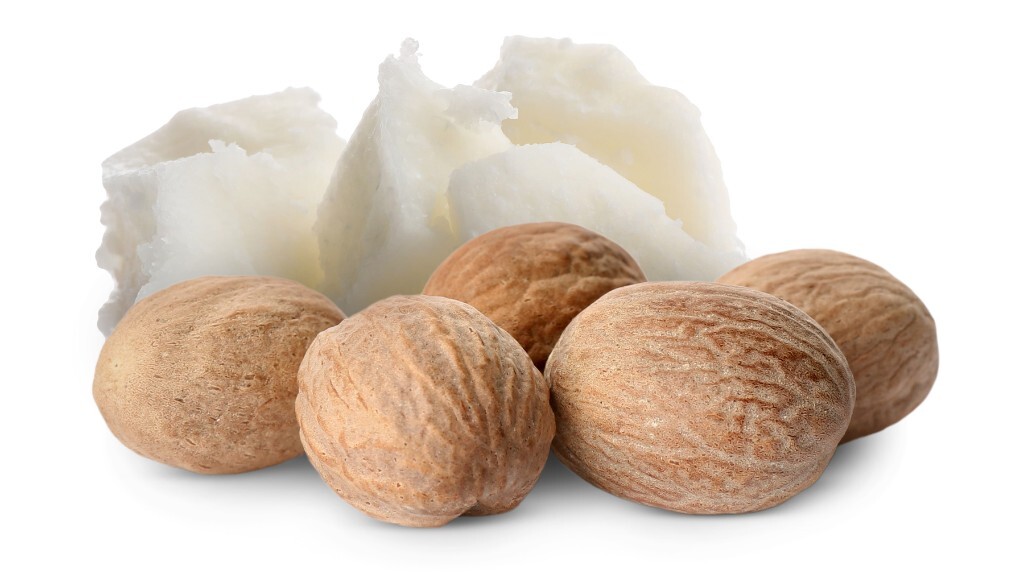
The U.S. market for African-influenced beauty products continues to grow as more consumers seek alternatives to mass-produced cosmetics. Natural hair care communities, wellness-focused shoppers, and people looking for plant-based skincare all represent potential customer segments.
Look at what's already selling in your area. Check local beauty supply stores, farmer's markets, and online marketplaces to see which products appear most often. Pay attention to customer questions and concerns in beauty forums and social media groups.
Common product categories with steady demand include raw shea butter, black seed oil, chebe powder for hair growth, sea moss for wellness, and coconut oil for multiple uses.
Selecting Your Core Product Mix
Start with 3-5 hero products rather than trying to stock everything at once. This approach lets you learn what your customers want most while keeping inventory costs manageable.
Consider pairing products that work well together. For example, selling shea butter alongside coconut oil and essential oils allows customers to create custom blends. Retailing sea moss products works well with other superfoods and wellness ingredients.
Think about storage requirements, shelf life, and reordering frequency when building your initial product mix. Some products need climate-controlled storage, while others remain stable for extended periods.
Pricing Strategy and Profit Margin Analysis
Wholesale costs for African beauty products typically range from 30-50% of retail prices, depending on the product and your order volume. When selling shea butter, for instance, you might purchase at $8-12 per pound wholesale and retail at $18-24 per pound.
Your pricing needs to cover product costs, packaging, shipping, marketing, and your time while remaining competitive with other sellers. Research what similar businesses charge in your market, but don't automatically go for the lowest price. Many customers will pay more for better education, service, and product knowledge.
Factor in the cost of samples, replacements for any quality issues, and the time you'll spend educating customers about proper usage.
Stage 2: African-Inspired Product Sourcing and Quality Control
Identifying Reliable Wholesale Suppliers
Quality product sourcing makes or breaks your business. Unreliable suppliers create gaps in your inventory, inconsistent product quality, and customer dissatisfaction.
Look for suppliers who can verify their sourcing practices and maintain consistent quality standards. Ask about their relationships with manufacturers, how they handle quality control, and what their order minimums require.
Red flags include suppliers who can't answer basic questions about product origins, offer prices far below market rates, or lack clear policies on returns and quality guarantees.
Establishing Your Supply Chain
Order timing matters more than many new business owners realize. Products like unrefined shea butter have harvest seasons, and high-demand items can sell out during peak periods.
Build relationships with your suppliers by communicating clearly, paying on time, and providing feedback about product quality. Good suppliers often share information about upcoming harvests, new products, and market trends that help you plan better.
Consider establishing a backup source for your top-selling products. This protects your business if your primary supplier faces temporary shortages or shipping delays.
Quality Assurance and Product Testing
Check each new shipment when it arrives. Look for consistent color, texture, and scent compared to previous orders. Variations might indicate different harvest batches or processing methods.
Test products yourself before selling them. This firsthand experience helps you answer customer questions and builds your confidence in what you're selling. You'll notice details about texture, absorption rate, and scent that inform your product descriptions.
Keep records of batch numbers and dates received. If customers report issues, you can track whether they relate to specific shipments and address problems with your supplier.
Stage 3: Product Positioning and Brand Development

Selling Shea Butter: Market Positioning Strategies
Shea butter appeals to multiple customer types, from natural hair enthusiasts to people with sensitive skin. Your positioning should speak to one primary audience while remaining accessible to others.
Raw, unrefined shea butter sells well to customers who want minimal processing. They're often willing to pay more for authentic African shea that hasn't been bleached or refined. Emphasize the traditional methods used by West African women's cooperatives.
Refined shea butter works better for customers new to African beauty products who might find the natural scent too strong. Position it as an accessible entry point to African skincare.
Seasonal angles matter too. Market shea butter as a cold weather moisture solution in fall and winter, and as a protective barrier for summer sun exposure in spring.
Wholesale Chebe Powder: Capitalizing on Hair Care Trends
Chebe powder benefits from strong word-of-mouth in natural hair communities. Many customers first hear about it from friends, influencers, or hair care forums before seeking it out.
Position yourself as an educational resource, not just a seller. Create simple guides showing how to mix chebe powder into hair masks, what oils work best as binders, and how often to use it. This education builds trust and reduces the returns that happen when customers don't know how to use unfamiliar products.
The natural hair movement created demand for traditional African hair care methods. Connect your chebe powder to this broader context of ancestral beauty practices and cultural reclamation.
Retailing Sea Moss Products: Wellness Market Integration
Sea moss bridges beauty and wellness markets. Some customers use it topically in face masks, while others consume it as a nutritional supplement.
Position sea moss within the larger superfood and plant-based wellness movement. Wellness-focused customers often purchase multiple products and reorder regularly, making them valuable long-term customers.
Provide clear guidance on different uses for sea moss without making health claims. Explain that some people add sea moss gel to smoothies, while others use it in skincare routines. Let customers make their own choices based on accurate product information.
Stage 4: Launch and Customer Acquisition
Building Your Initial Customer Base
Your first customers often come from your existing network. Share your new business with friends, family, and social media connections. Offer introductory pricing or small samples to encourage people to try your products.
Local markets and pop-up shops let potential customers see and touch products before buying. This works especially well for items like raw shea butter, where texture and scent influence purchase decisions.
Referral programs turn happy customers into advocates. Simple approaches work best: offer a discount on their next purchase when someone they referred makes their first order.
Creating Educational Content and Usage Guides
Customer education gives you a competitive edge over sellers who just list products without context. Create simple one-page guides for each product showing how to use it, storage recommendations, and what results to expect.
Address common concerns upfront. If you're selling unrefined shea butter, explain that color variations between batches are normal due to harvest timing and processing methods. This prevents confusion and returns.
Respect the cultural context of African beauty products. Acknowledge their traditional uses and origins without appropriating or romanticizing African cultures.
Establishing Sales Channels and Distribution
Most beauty businesses start with one primary sales channel, then expand. Options include:
- Online stores (your own website or platforms like Etsy) offer wide reach and 24/7 availability
- Local markets and fairs build community connections and allow product demonstrations
- Wholesale to other retailers creates larger orders but requires competitive pricing
- Service provider partnerships with spas, massage therapists, and hair salons generate consistent orders
Choose channels that match how your target customers prefer to shop. Test one or two approaches before spreading yourself too thin.
Stage 5: Customer Education and Support Systems
Teaching Proper Usage for Customer Success
Customers succeed when they know how to use products correctly. This success leads to repeat purchases and positive word-of-mouth.
Provide usage instructions with every order. Include recommended amounts, frequency of use, and any prep work needed. For products like chebe powder that require mixing, specify which carrier oils or butters work best.
Set realistic expectations. Natural products work differently than synthetic alternatives. Help customers understand that results develop over time with consistent use, not overnight.
Building Trust Through Transparency and Authenticity
Share where your products come from when you can verify the information. "Shea butter sourced from women's cooperatives in Ghana" carries more weight than vague claims about "ancient African secrets."
Be honest about what you know and what you don't. If a customer asks a technical question you can't answer, tell them you'll research it instead of guessing.
Talk about the ethical trade practices that matter to your customers. Many people want to support businesses that create fair income opportunities for African producers and communities.
Creating Ongoing Educational Content
Regular content keeps customers engaged between purchases. Blog posts, social media tips, and email newsletters position you as a knowledgeable source.
Focus on practical information: how to store products in hot weather, seasonal usage ideas, ways to incorporate African beauty ingredients into existing routines. This content serves customers while naturally mentioning your products.
Address trending topics when relevant to your product line. If a particular ingredient or beauty method gains attention, create content that educates your audience about it honestly.
Stage 6: Building Repeat Beauty Customers and Business Growth
Upselling with Natural Sets and Product Combinations
Product bundling increases order value while helping customers discover items they might not have tried separately. Create sets that make sense together: a moisturizing trio with shea butter, coconut oil, and sweet almond oil, or a hair care set with chebe powder, black seed oil, and a mixing bowl.
Seasonal collections work well for gift-giving periods. A winter skincare set or a spring hair renewal package gives customers ready-made solutions.
Loyalty programs don't need to be complicated. A simple punch card or points system rewards customers who buy regularly and encourages them to reach the next reward level.
Customer Retention Through Consistent Quality and Service
Repeat customers form the foundation of sustainable beauty businesses. They order more frequently, buy higher quantities, and refer new customers.
Create simple reorder systems. Send friendly reminders when customers might be running low based on their previous purchase date and typical usage rates. Make reordering quick with saved preferences or subscription options.
Ask for feedback and actually use it. When customers share concerns or suggestions, respond quickly and make changes when it makes sense. Show customers their input matters to your business.
Scaling Through Wholesale and B2B Opportunities
Once your retail business runs smoothly, wholesale accounts create larger, more predictable orders. Spas, massage therapists, hair salons, and boutique retailers all need reliable sources for natural beauty products.
Wholesale customers want consistent quality, reliable delivery, and competitive pricing. They're less concerned with fancy packaging than retail customers, but they need products that arrive on schedule.
Private labeling lets other businesses sell your products under their own brand names. This works well when you've established efficient sourcing and quality control systems.
How Africa Imports Streamlines Your Business Process
Simplified African Product Sourcing
Africa Imports maintains direct relationships with African producers, cutting out middlemen who drive up costs and create communication gaps. These established partnerships mean consistent quality and reliable supply for products like coconut oil, shea butter, and traditional herbs.
With over 25 years sourcing largely African products, we've built systems for quality verification and authentic sourcing that new businesses can't replicate on their own. This experience protects your reputation and your customers.
Business Support at Every Stage
We provide more than products. Our blog, comprehensive knowledge hub, and product information sheets help you educate customers and price competitively.
Our customer support team understands the questions your customers will ask because we've helped thousands of beauty business owners launch and grow. This knowledge gets passed on to you.
Common Process Challenges and Solutions
Managing Seasonal Demand Fluctuations
Beauty businesses experience natural cycles. Moisture-focused products sell more in winter, while lighter formulations move faster in summer.
Plan inventory levels based on these patterns once you've tracked sales for a full year. Keep extra stock of seasonal favorites before their peak periods, and focus marketing on appropriate products for each season.
Manage cash flow during slower periods by building reserves during busy seasons. Many successful beauty businesses use strong winter sales to carry them through quieter summer months.
Educating Customers on Unfamiliar Products
Some customers have never used raw shea butter or don't know how to prepare sea moss. This unfamiliarity can create hesitation or lead to returns if they don't get good results.
Address this through proactive education. Detailed product descriptions, usage videos, and responsive customer service all help customers feel confident trying new products.
Start conversations rather than just making sales. When customers ask questions, give thorough answers that show you care about their success with the products.
Maintaining Product Authenticity and Quality
As your business grows, maintaining the same quality standards becomes both more important and more challenging. Customers expect consistency across every order.
Build strong supplier relationships based on clear quality expectations. Regular communication about quality standards prevents misunderstandings.
Track customer feedback systematically. If multiple customers mention changes in a product's texture or scent, investigate immediately with your supplier. Quick responses to quality issues protect your reputation.
Ready to Start Your African Beauty Business?

The African beauty business process moves through clear stages, but success comes from how well you execute each one. Focus on reliable product sourcing, genuine customer education, and building systems that can grow with your business.
Africa Imports supplies US-based beauty businesses with authentic African products*, bulk pricing, and the support you need at every stage. Browse our wholesale oils, butters, and wellness products to see how we can help simplify your African product sourcing.
Browse our wholesale oils, butters, and wellness products to see how we can help simplify your African product sourcing.
*While a large majority of our products are sourced directly from Africa, some are produced and sourced in other countries, including the USA.
You Might Also Like:

6 MIN READ / BUSINESS GUIDE
African Natural Beauty Ingredients: Business Basics Guide
Explore key African natural ingredients, their benefits, and how small businesses can use them to expand product lines.

5 MIN READ / HOW-TO
Basics of Soap Making
A beginner-friendly introduction to soap making, including methods, equipment, and foundational tips.

6 MIN READ / GUIDE
Carrier Oils for Eczema Relief
Learn which carrier oils help soothe eczema, reduce irritation, and support healthier skin naturally.