 USD
USD  GBP
GBP  CAD
CAD  AUD
AUD 
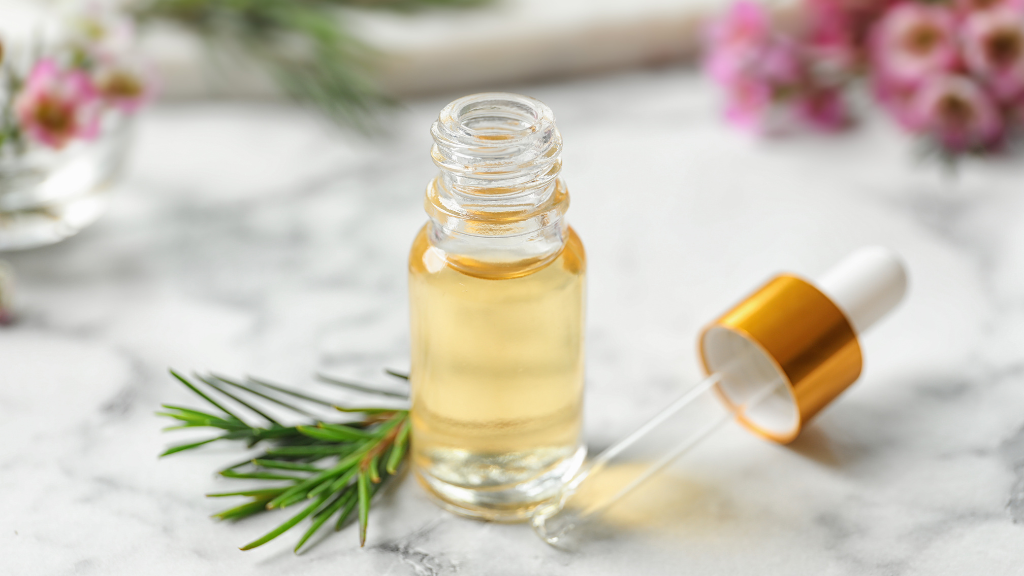
Tea tree oil is one of the most versatile essential oils you can add to your collection. Known for its antibacterial, antifungal, and anti-inflammatory properties, this oil has earned its place in skincare routines, hair care regimens, oral hygiene products, and household cleaners worldwide.
Indigenous Australians have used tea tree oil for centuries to treat wounds, burns, and respiratory issues. Today, it remains a go-to natural ingredient for anyone looking for plant-based solutions to common concerns, whether you're creating products for your business or building your personal wellness routine.
In this guide, we'll cover what tea tree oil is, its many uses, how to apply it safely, and what to look for when buying tea tree oil in bulk for your small business.
What Is Tea Tree Oil?
Tea tree oil comes from the leaves of Melaleuca alternifolia, a small tree native to the coastal regions of New South Wales and Queensland, Australia. The oil is extracted through steam distillation, a process that captures the plant's natural compounds while preserving its potency.
The primary active compound in tea tree oil is terpinen-4-ol, which typically makes up 35-48% of the oil's composition. This compound is responsible for most of tea tree oil's antimicrobial properties. High-quality tea tree oil generally contains terpinen-4-ol levels between 42-47%.
Indigenous Australians have a long history with tea tree oil. The Bundjalung Aboriginal population of eastern Australia crushed the leaves to extract the oil for treating skin infections, wounds, and respiratory ailments. British explorer James Cook reportedly named it the "tea tree" in the 1770s after observing locals brewing tea from its leaves.
One common point of confusion: tea tree oil does not come from the same plant used to make black, green, or oolong tea. Those teas come from Camellia sinensis, an entirely different species.
Tea Tree Oil Benefits for Skin

Acne and Blemishes
Tea tree oil has become a staple for people dealing with acne and blemishes. Its antibacterial properties target the bacteria that contribute to breakouts, while its anti-inflammatory effects help reduce redness and swelling.
Research suggests that products containing 5% tea tree oil may help with acne. According to the Mayo Clinic, tea tree oil may irritate skin less than some conventional treatments like benzoyl peroxide, though it may work more slowly.
To use tea tree oil for blemishes, mix 1-2 drops with a teaspoon of carrier oil like jojoba or coconut oil. Apply as a spot treatment, or add a few drops to your regular cleanser.
Minor Cuts and Scrapes
Tea tree oil acts as a natural antiseptic that may help prevent infection in minor wounds. Its compounds have been shown to target bacteria like Staphylococcus aureus that can cause wound infections.
To use on minor cuts: Clean the wound thoroughly with soap and water first. Mix one drop of tea tree oil with one teaspoon of coconut oil, apply a small amount to the area, and cover with a bandage. Repeat once or twice daily until a scab forms.
Sunburn and Sun Damage
The anti-inflammatory properties in tea tree oil may help reduce redness and swelling from UV exposure. Many people find that the cooling sensation provides relief from sunburn discomfort. Additionally, its antibacterial properties may help protect vulnerable, sun-damaged skin from infection.
To use for sunburn: Mix 2-3 drops of tea tree oil with a tablespoon of coconut oil and apply gently to affected areas.
Scars and Skin Repair
Some people use tea tree oil consistently to support skin healing. When combined with carrier oils rich in vitamin E, like sweet almond oil, it may help improve the appearance of scars over time. Results vary by individual and typically require patience and regular application.
Tea Tree Oil for Hair and Scalp Health
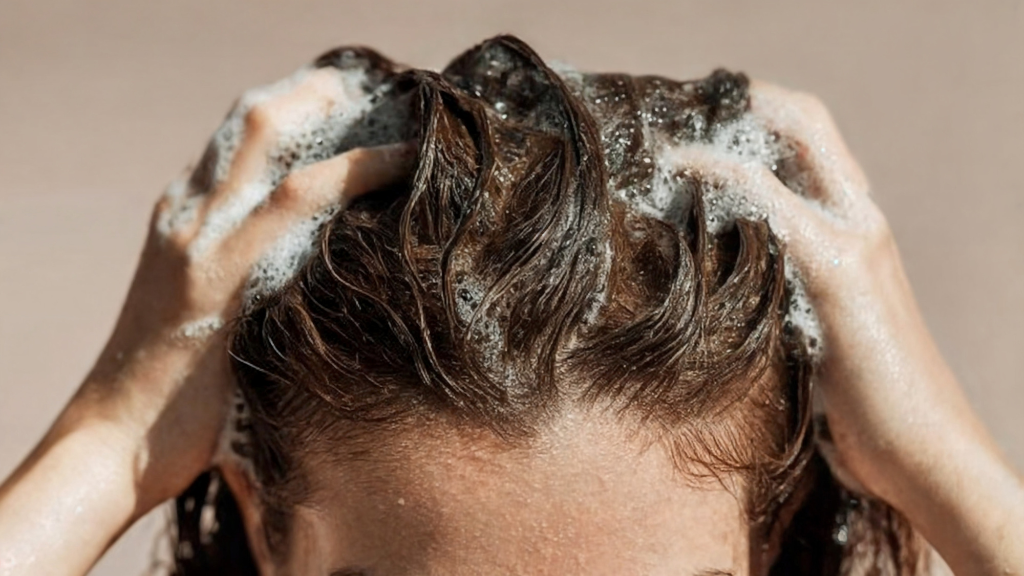
Dandruff and Dry Scalp
Tea tree oil's antifungal properties may help address the yeast (Candida) that contributes to dandruff. Its slightly acidic nature can also help clear flaky buildup from the scalp.
To use for dandruff: Add 5-6 drops of tea tree oil to your shampoo or conditioner. Massage into your scalp, leave for 2-3 minutes, then rinse thoroughly.
Scalp Irritation and Itchiness
If you're dealing with an itchy or irritated scalp, tea tree oil's anti-inflammatory properties may provide some relief. It can also help balance oil production on the scalp.
For scalp treatments: Mix a few drops of tea tree oil with a carrier oil like jojoba or coconut oil. Massage into your scalp before washing your hair.
Supporting Healthy Hair Growth
While tea tree oil won't regrow hair, maintaining a healthy scalp environment supports natural hair growth. Regular scalp treatments can help keep follicles healthy and free from buildup that might otherwise interfere with normal hair growth patterns.
Tea Tree Oil for Oral Care
Important: Tea tree oil should never be swallowed. When using it for oral care, always spit it out completely and rinse your mouth thoroughly afterwards.
Mouthwash for Gum Health
Tea tree oil's antibacterial properties may help reduce the bacteria that cause plaque and gingivitis. Research suggests that mouthwash containing tea tree oil may help reduce gum inflammation when used alongside regular brushing and flossing.
To make a mouthwash: Add 1 drop of tea tree oil to a cup of warm water. Swish for 30 seconds, then spit out completely. Follow with a water rinse.
Fighting Bad Breath
Tea tree oil targets odor-causing bacteria in the mouth, which can help with bad breath. You can add 1 drop to your toothpaste before brushing, but always rinse thoroughly afterward.
Supporting Overall Dental Hygiene
Tea tree oil can complement your regular oral care routine but should never replace professional dental care or regular brushing and flossing.
Tea Tree Oil for Feet and Nails
Athlete's Foot
Tea tree oil's antifungal properties target the fungi that cause athlete's foot (tinea pedis). According to the Mayo Clinic, tea tree oil cream applied twice daily for one month may help relieve some symptoms, though it may not work as quickly as antifungal medications.
To use: Add about 20 drops of tea tree oil to a foot bath and soak daily. Dry your feet thoroughly afterward, especially between toes.
Nail Fungus
For toenail fungus, tea tree oil may help, particularly in early stages. The National Center for Complementary and Integrative Health notes that research on tea tree oil for nail fungus is limited, but some studies suggest it may be beneficial when used consistently over several weeks or months.
Apply diluted tea tree oil directly to the affected nail 1-2 times daily.
Foot Odor
Tea tree oil's antibacterial properties can help neutralize the bacteria that cause foot odor.
DIY foot powder recipe: Mix 1/4 cup arrowroot powder, 1/4 cup baking soda, and 20-25 drops of tea tree oil. Apply to clean, dry feet.
Tea Tree Oil as a Natural Insect Repellent

Tick Repellent
Tea tree oil's strong scent and natural compounds can help deter ticks. In regions like Australia and parts of Africa, people have traditionally used tea tree oil to protect both humans and livestock from tick-borne illnesses.
To use as tick repellent: Mix one part tea tree oil with two parts water in a spray bottle. Apply to shoes, socks, pant cuffs, or exposed skin before heading outdoors.
Mosquito and Household Pest Deterrent
Research has examined tea tree oil's effectiveness against mosquitoes, with some studies suggesting it may help repel them. It may also help deter ants, spiders, and flies when used around the home.
Application: Add 5-10 drops of tea tree oil to a spray bottle filled with water. Spray around entry points and areas where pests tend to gather.
Tea Tree Oil for Cleaning and Home Use
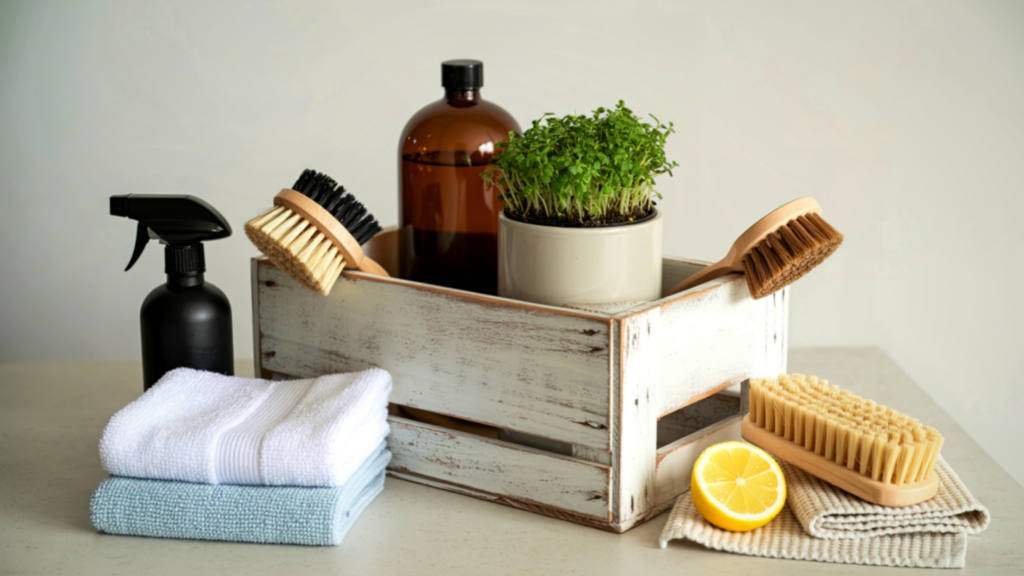
All-Purpose Cleaner
Tea tree oil's natural antibacterial and antifungal properties make it effective for cleaning household surfaces. Many people appreciate that it cleans without leaving behind harsh chemical residues.
DIY all-purpose cleaner: Combine 20 drops of tea tree oil, 3/4 cup water, and 1/2 cup apple cider vinegar in a spray bottle. Shake well before each use and spray directly onto surfaces, wiping with a clean cloth.
Natural Deodorant
Tea tree oil targets the bacteria that cause body odor when combined with sweat. This makes it a popular ingredient in natural deodorant formulations.
Laundry Freshener
Adding a few drops of tea tree oil to your laundry can help eliminate musty odors, especially in gym clothes and towels.
How to Use Tea Tree Oil Safely
Always Dilute Before Applying to Skin
Pure tea tree oil is potent and can cause irritation, redness, or allergic reactions if applied undiluted. The standard dilution is 1-2 drops of tea tree oil per teaspoon (5ml) of carrier oil, which creates approximately a 1-2% dilution. For sensitive skin, use 1 drop per 2 teaspoons of carrier oil.
Good carrier oils for diluting tea tree oil include coconut oil, jojoba oil, sweet almond oil, and olive oil.
Can I put tea tree oil directly on my skin? No. Tea tree oil should not be applied directly to skin in its undiluted form. Always dilute with a carrier oil first to prevent irritation.
Perform a Patch Test First
Before using tea tree oil widely, apply a small amount of diluted oil to your inner wrist or behind your ear. Wait 24 hours to check for redness, itching, or irritation. If a reaction occurs, discontinue use.
Never Swallow Tea Tree Oil
Tea tree oil is toxic when ingested. According to the NCCIH, swallowing tea tree oil can cause serious symptoms including confusion, problems with muscle control, difficulty breathing, and even coma. When using tea tree oil in oral care products, always spit out completely and rinse thoroughly.
What to Avoid
What should you not use tea tree oil on? Avoid using tea tree oil around eyes, ears, and nose. Do not use it on pets (especially cats, who lack certain liver enzymes needed to process its compounds), and avoid undiluted use on sensitive skin or open wounds. If you have eczema or very sensitive skin, tea tree oil may not be appropriate for you. Consult a healthcare provider if you're pregnant or breastfeeding.
Storage Tips
Store tea tree oil in dark amber or blue glass bottles. Keep it away from heat, light, and air to preserve its potency. If you notice changes in color or smell, the oil may have degraded and should be replaced. Properly stored tea tree oil has a shelf life of 18-24 months.
How to Choose Quality Tea Tree Oil
When shopping for tea tree oil, keep these factors in mind:
Look for 100% pure, therapeutic-grade oil. Check that the label lists Melaleuca alternifolia as the botanical source. Verify the oil comes in dark glass packaging, which protects it from light degradation. Avoid products labeled as "fragrance oil" or "perfume oil"; these are synthetic formulations that lack the therapeutic properties of pure essential oil.
High-quality tea tree oil should list terpinen-4-ol content of 42-47%. Most tea tree oil is produced in Australia, though China and several African countries also produce it commercially.
Tea Tree Oil Products for Everyday Use
Tea Tree Oil Soaps
Pre-formulated tea tree soaps offer convenience for full-body cleansing. They're a good option for those who want the benefits of tea tree oil without mixing their own products.
Tea Tree Shampoos and Hair Products
Ready-to-use tea tree shampoos and scalp treatments require no additional dilution, making them convenient for daily use.
Pure Tea Tree Essential Oil
For maximum versatility, pure tea tree essential oil allows you to create your own DIY applications. It's available in various sizes: 1 oz, 4 oz, 8 oz, and 16 oz, to suit different needs.
Buying Tea Tree Oil in Bulk for Your Business
Benefits of Wholesale Tea Tree Oil
Purchasing tea tree oil in bulk offers significant cost savings per ounce, making it practical for businesses that use it regularly in product formulations. Buying wholesale also ensures you maintain a consistent supply and quality across batches.
Business Applications
Tea tree oil works well across many product categories. Skincare formulators use it in serums, acne treatments, and clarifying masks. Hair care professionals add it to scalp treatments and purifying shampoos. Soap makers and candle crafters incorporate it for its therapeutic properties and fresh scent. Spas and salons offer natural treatment options featuring tea tree oil. Natural product retailers stock it as a versatile bestseller that appeals to health-conscious customers.
Why Small Businesses Choose Africa Imports
Africa Imports offers tiered pricing for various order sizes without overwhelming minimum quantities. Same-day shipping is available for orders placed before 2 PM, and quality remains consistent across batches. For business owners building their product lines, wholesale pricing makes it possible to offer quality products while maintaining healthy margins.
Frequently Asked Questions About Tea Tree Oil
What is tea tree oil good for?
Tea tree oil is used for skincare (especially acne and blemishes), scalp and hair health, oral hygiene, foot care, minor wound care, and natural cleaning. Its antimicrobial, antibacterial, and antifungal properties make it a versatile essential oil for both personal care and household use.
Can I put tea tree oil directly on my skin?
No. Tea tree oil should always be diluted with a carrier oil before applying to skin. Mix 1-2 drops of tea tree oil with a teaspoon of carrier oil like coconut, jojoba, or sweet almond oil. Applying undiluted tea tree oil can cause skin irritation, redness, or allergic reactions.
Does tea tree oil lighten skin?
There is no scientific evidence that tea tree oil lightens skin. However, it may help even skin tone by reducing the appearance of acne scars and blemishes over time through its anti-inflammatory properties.
Is tea tree oil safe for pets?
No. Tea tree oil is toxic to pets, especially cats and small animals, who lack certain liver enzymes to process its compounds. Keep tea tree oil products away from pets and never apply to their skin or fur.
How long does tea tree oil take to work?
Results vary depending on the application. For acne, many people notice improvements within 2-4 weeks of consistent use. For nail fungus, it may take several months. Tea tree oil works best as part of a regular routine rather than as a quick fix.
Can tea tree oil be used during pregnancy?
Consult with a healthcare provider before using tea tree oil during pregnancy or while breastfeeding. While topical use in diluted form is generally considered safe, professional guidance is recommended.
Tips for Small Business Owners: Selling and Using Tea Tree Oil
Tea tree oil's versatility makes it an excellent foundation for custom product lines. Consider developing signature blends or adding it to existing skincare or hair care formulations.
Customer education matters. Provide clear dilution instructions and usage guides with every purchase. Well-informed customers become repeat buyers who trust your expertise.
For storage and resale, keep bulk tea tree oil in a cool, dark place. Transfer to smaller dark glass bottles for individual sale to preserve quality and create an attractive presentation.
Product bundling increases average order value. Pair tea tree oil with carrier oils like jojoba or coconut oil for complete starter kits that give customers everything they need to get started.
Seasonal marketing helps drive sales year-round. Promote tick repellent applications in spring and summer. In fall and winter, highlight its uses for supporting overall wellness during cold and flu season.
Health and Safety Disclaimer
This article is for informational purposes only and is not intended as medical advice. Tea tree oil should not be used as a substitute for professional medical treatment. Always consult with a healthcare provider before using essential oils for health concerns. Tea tree oil is for external use only and should never be ingested.