 USD
USD  GBP
GBP  CAD
CAD  AUD
AUD 
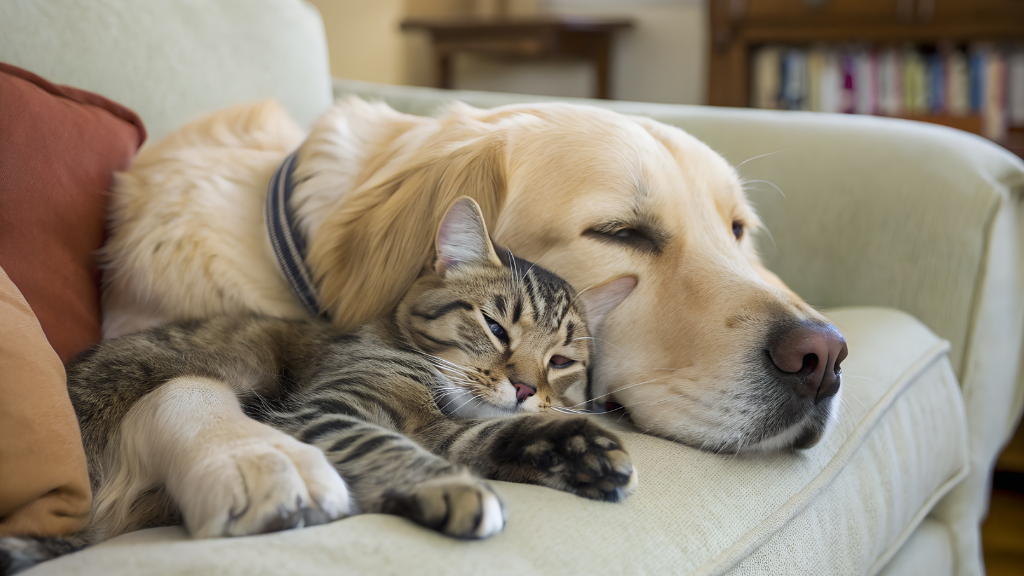
If you're a pet owner who loves candles, you've probably wondered whether your favorite scented candles could harm them. The good news is that you can absolutely make pet safe candles at home – you just need to know the right ingredients and follow proper safety steps during both the making and burning process.
This guide will walk you through everything you need to know about creating candles that won't put your pets at risk. We'll cover safe ingredients, step-by-step instructions, and important safety practices that go way beyond just choosing soy wax over paraffin. Whether you're making candles for your own home or planning to sell them at farmers markets, this complete approach to pet safety will give you the confidence to create beautiful, safe candles.
Quick Answer: What Makes Candles Safe for Pets
Pet safe candles require attention to both ingredients and your candle-making process. It's not enough to simply use soy wax and call it safe – you need to consider every element from the best wick and the right fragrance oils to how you burn the finished product.
The key factors for how to make pet safe candles include using clean-burning waxes like soy or beeswax, choosing cotton or wood wicks, avoiding most essential oils (even "natural" ones can be toxic to pets), and maintaining proper ventilation during both making and burning. Many pet owners don't realize that the process of making candles safely is just as important as the ingredients you choose.
Remember, "natural" doesn't automatically mean safe for pets. Some of the most dangerous candle ingredients for animals are completely natural essential oils that can cause serious health problems, especially for cats.
The Truth About Pet Safe Candle Ingredients
Wax Types: What's Actually Safe
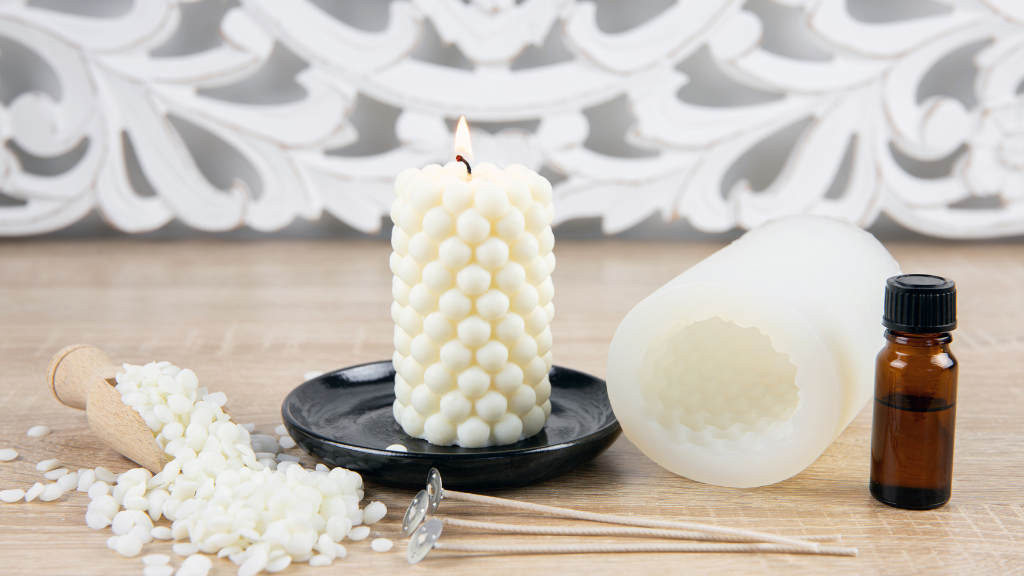
When it comes to choosing wax for pet friendly candles, soy wax stands out as the safest option. Soy wax burns cleaner than petroleum-based alternatives, produces less soot, and releases fewer toxins into the air your pets breathe. This makes it an excellent choice for dog safe candles and cat safe candles alike.
Beeswax is another natural option that burns very cleanly. It actually helps purify the air as it burns and produces minimal smoke or fumes. Both soy and beeswax have lower melting points than paraffin, which means they're less likely to cause burns if accidentally spilled.
What you should avoid is paraffin wax. This petroleum-based wax releases more toxins when burned, creating additional air pollutants that can irritate your pet's respiratory system. While paraffin isn't necessarily dangerous in small amounts, cleaner alternatives make it an unnecessary risk for pet households.
The Essential Oil Myth: What Pet Owners Need to Know
Here's where many candle makers get it wrong: essential oils are not automatically safe for pets just because they're natural. In fact, many essential oils that people consider harmless can be toxic to cats and dogs.
Essential Oils to Avoid Around Pets
- Tea tree oil
- Peppermint
- Citrus oils like orange, lemon and lime
- Ecalyptus
- Lavendar
- Pennyroyal
- Wintergreen
- Pine oil
The safest approach for pet safe scented candles is to use very light and high quality fragrance oils that have been tested for safety around pets, or better yet, stick with unscented candles. If you do choose to add fragrance, remember that less is always more when pets are involved.
Wicks and Containers That Won't Harm Your Pets
Safe wick materials include cotton and wood wicks. These burn cleanly without releasing harmful metals into the air. Avoid any wicks that contain lead or zinc cores, which can release toxic fumes when burned.
For containers, choose heat-resistant glass that won't crack under temperature changes. Cracked containers can spill hot wax, creating burn hazards for curious pets. Avoid containers made from materials that might release chemicals when heated.
Keep your ingredient list simple by avoiding synthetic dyes and unnecessary additives. The fewer chemicals in your candles, the safer they'll be for your pets.
Step-by-Step Guide to Making Pet Safe Candles
Setting Up Your Workspace Safely
Before you start making candles that are safe for dogs and cats, you need to create a safe workspace. Proper ventilation is crucial – open windows or use fans to ensure good airflow. Even safe ingredients can be overwhelming to pets' sensitive noses during the melting and pouring process.
Designate a pet-free zone for candle making. Keep your cats and dogs out of the workspace during the entire process, including the curing time. Pets are naturally curious about new smells and activities, but hot wax and melting equipment pose burn risks.
Cover your work surface with newspaper or craft paper to catch any wax spills. Gather all your equipment before starting: a thermometer, double boiler or melting pot, heat-safe containers, wicks, and wick holders.
The Safe Candle Making Process
Start by preparing your workspace with proper ventilation and keeping pets in another room. This isn't just about the finished product – the process of melting wax can release more concentrated fumes than a burning candle.
Melt your soy wax or beeswax slowly using a double boiler method. Don't overheat the wax, as higher temperatures create more fumes and can degrade the wax quality. Most soy waxes should be heated to around 170-180°F for optimal results.
If you're adding any fragrance, do so sparingly and only use pet-safe options. Add fragrance oil when the wax has cooled slightly to around 160°F to prevent the scent from burning off.
Prepare your containers by securing the wicks in the center. Pour the wax slowly and steadily, leaving about half an inch of space at the top of the container.
Allow candles to cure in your pet-free workspace for at least 24 hours before moving them. This curing time is important for both candle quality and safety.
Temperature and Safety Guidelines
Different wax types have optimal temperature ranges that you should follow for safety. Soy wax typically melts around 120-180°F, while beeswax has a higher melting point around 145-147°F. Using a thermometer takes the guesswork out of the process.
Why does temperature matter for pet safety? Overheated wax produces more fumes and can create a harsh scent throw that's overwhelming to pets' sensitive noses. Proper temperature control ensures a clean burn and minimal air pollutants.
During the cooling and curing process, keep pets away from the workspace. Even after pouring, candles continue to release scent and fumes as they set up.
Safe Burning Practices Around Pets
Placement and Supervision
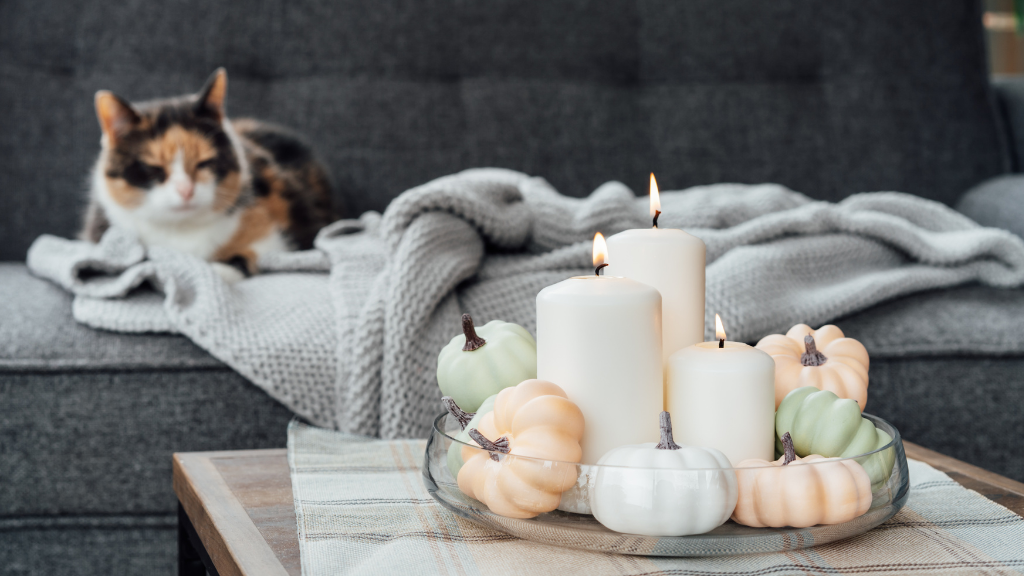
When burning your homemade pet safe candles, placement matters just as much as ingredients. Keep lit candles on stable surfaces where pets can't knock them over. Cats are particularly notorious for investigating interesting smells and flames.
Never leave candles burning unattended when pets are in the room. Even the safest candle becomes dangerous if a curious cat gets too close or an excited dog knocks it over with their tail.
Watch for changes in your pet's behavior when you first burn a new candle. Some pets may be more sensitive than others, and individual reactions can vary even with pet-safe ingredients.
Ventilation During Burning
Proper air circulation helps prevent smoke buildup and ensures your pets aren't overwhelmed by concentrated scents. Even pet safe candles produce some level of fragrance and combustion byproducts.
Signs that your pet might be bothered by candle smoke include excessive panting, moving away from the room, or seeming restless or agitated. If you notice these behaviors, extinguish the candle immediately.
Keep windows cracked or use ceiling fans to maintain airflow when burning candles. This is especially important in smaller rooms where scents can concentrate quickly.
What to Avoid: Common Pet Safety Mistakes
Ingredient Red Flags
Be skeptical of essential oils marketed as "pet safe." Even oils that won't cause immediate toxicity can still irritate sensitive respiratory systems or cause allergic reactions over time. The safest approach is to avoid essential oils entirely in pet households.
Synthetic fragrances can also pose problems. These chemical cocktails often contain dozens of undisclosed ingredients, making it impossible to know what your pets are being exposed to.
Lead wicks and metal-core wicks are still found in some candle supplies, despite being banned in many products. Always verify that your wicks are cotton or wood-based.
Process Safety Mistakes
One of the biggest mistakes is making candles with pets present in the workspace. The concentration of fumes during melting and pouring is much higher than what pets will experience from a properly burning finished candle.
Inadequate ventilation during both making and burning creates unnecessary risks. Even safe ingredients can be overwhelming in concentrated amounts or poorly ventilated spaces.
Using containers that could break and create hot wax hazards puts pets at risk of burns. Invest in proper heat-resistant glass containers designed for candle making.
Don't skip burn testing before giving candles as gifts or selling them. Each recipe should be tested to ensure even burning and proper scent throw without excessive smoke.
For Small Business Owners: Selling Pet Safe Candles
If you're planning to sell your handmade candles at farmers markets or to friends, clear communication about pet safety measures helps build customer trust. Explain that your candles are "made with pet households in mind using soy wax, cotton wicks, and minimal fragrance" rather than making specific health claims.
Keep detailed notes on your ingredient sources and safety testing procedures. This documentation helps you maintain consistency and provides confidence when customers ask about your methods.
Consider offering unscented versions specifically for customers with sensitive pets. Many pet owners prefer fragrance-free options and will appreciate having the choice.
Your labeling should include clear ingredient lists and basic burn safety instructions. Simple guidance like "keep out of pet reach" and "never leave unattended" shows you understand responsible candle use.
When sourcing supplies, choose high-quality soy wax and natural wicks that provide consistent, clean burns. Africa Imports offers reliable candle-making materials that help ensure your finished products meet safety standards.
Testing and Quality Control
How to Test Your Candles Safely
Burn testing should always happen away from pets before you finalize any recipe. Light your test candles in a well-ventilated area and monitor them for unusual smoke, odors, or uneven burning.
Look for excessive soot production, which indicates incomplete combustion and higher air pollutants. Proper wick sizing and quality wax should produce minimal soot.
Check that your candles burn evenly without creating hot spots that could crack containers or create spill hazards. Uneven burning also wastes wax and creates poor scent distribution.
When to Seek Veterinary Advice
If your pet shows signs of distress after candle exposure – such as difficulty breathing, excessive drooling, vomiting, or unusual lethargy – contact your veterinarian immediately.
Provide your vet with specific information about the candle ingredients, how long it was burning, and your pet's symptoms. This information helps them assess the situation and recommend appropriate treatment.
Keep pet poison control numbers handy: ASPCA Animal Poison Control Center (888-426-4435) and Pet Poison Helpline (855-764-7661). These resources can provide immediate guidance in emergency situations.
Frequently Asked Questions
Are soy candles completely safe for pets?
Soy candles are safer than paraffin alternatives, but they still require proper use and ventilation. No burning candle is completely risk-free, but soy wax significantly reduces the air pollutants your pets are exposed to.
Can I use any essential oils in pet safe candles?
Most essential oils should be avoided in pet households. Even oils considered safe for humans can be toxic to cats and dogs. Unscented candles or very light fragrance oils specifically tested for pet safety are better choices.
What's the safest way to scent candles for pet households?
If you must add fragrance, use pet-safe fragrance oils sparingly rather than essential oils. Follow the "less is more" principle – a subtle scent is safer and often more pleasant than overwhelming fragrance.
How do I know if my candle is bothering my pet?
Watch for behavioral changes like moving away from the room, excessive panting, restlessness, or seeming agitated. If you notice these signs, extinguish the candle and improve ventilation.
Can I make candles with my pets in the same room?
No – pets should be kept away from the workspace during the entire candle-making process, including curing time. The concentration of fumes during melting and pouring is much higher than what they'll experience from a properly burning candle.
What candles are safe for dogs vs cats?
Cats are generally more sensitive to fragrances and essential oils than dogs, but both species benefit from the same safety measures: soy or beeswax, cotton wicks, minimal or no fragrance, and proper ventilation.
Make Pet Safe Candles With Confidence
Making pet safe candles isn't complicated, but it does require attention to both ingredients and process. By choosing clean-burning waxes, avoiding problematic essential oils, maintaining proper ventilation, and following safe burning practices, you can enjoy candles without worrying about your furry family members.
Whether you're making candles for your own home or starting a small business, these safety principles will help you create products that pet owners can trust. Remember that the safest approach often means keeping things simple – sometimes the best pet safe candles are the ones with the fewest ingredients.
Ready to start making your own pet safe candles? Africa Imports offers high-quality soy wax, cotton wicks, and other candle-making supplies to help you create clean-burning, pet-friendly candles that you can feel good about using in your home.
Health and Safety Disclaimer
This information is for educational purposes only and should not replace professional veterinary advice. While these guidelines promote safer candle making practices, individual pets may have different sensitivities.
Always consult with your veterinarian if you have concerns about your pet's health or reactions to household products. Never leave burning candles unattended around pets, and discontinue use if any signs of distress occur in your animals.