 USD
USD  GBP
GBP  CAD
CAD  AUD
AUD 
Safety isn't optional when you're making perfumes to sell. It's not about being paranoid or making things complicated; it's about protecting your customers from harm and protecting your business from liability.
This guide breaks down what you actually need to know about perfume making safety, IFRA compliance, FDA regulations, and proper labeling. No legal jargon. No overwhelming technical language. Just practical information that helps you run your perfume business the right way.
Why Perfume Safety Matters for Your Business
Understanding Liability and Customer Protection
When you sell perfume, you're responsible for what happens when someone puts it on their skin. If your product causes a reaction, rash, or worse, that's on you. Not just ethically, but legally and financially.
Product liability is real. Customers can sue. Insurance companies can refuse to cover you if you weren't following basic safety standards. State and federal agencies can shut you down.
But it's not just about avoiding lawsuits. Most people get into perfume making because they want to create something beautiful that makes people feel good. Safety compliance is how you make sure that's actually what happens.
Building Customer Trust Through Safety Compliance
Customers are getting smarter about what they put on their skin. They read labels. They ask questions. They research ingredients. When you can answer those questions honestly and show that you follow safety standards, you build trust.
Trust means repeat customers. It means referrals. It means people willing to pay fair prices for your products because they know you take quality and safety seriously.
Skip safety steps, and even if nothing goes wrong, savvy customers will notice. They'll see incomplete labels, missing warnings, or vague ingredient lists, and they'll buy from someone else.
The Cost of Cutting Safety Corners
What happens when you skip safety protocols?
In the best case, nothing. You get lucky. But eventually, luck runs out.
The worst-case scenario is that a customer has a reaction and posts about it online, where others see it. Your reputation takes a hit you might not recover from, and you could face reports to authorities or even legal action.
Between those extremes: wasted product from formulas that weren't properly tested, time spent fixing problems that could've been prevented, and the constant worry that something might go wrong.
Safety compliance costs some time and money upfront. Not following it costs more later.
IFRA Compliance Made Simple: What Small Business Owners Need to Know

What is IFRA and Why It Affects Your Perfume Business
IFRA stands for International Fragrance Association. They set safety standards for how much of each fragrance material can be used in products that go on skin.
Why does this matter? Because some fragrance oils are safe in small amounts but can cause problems in high concentrations. Some react with sunlight and cause skin sensitivity. Some are allergens that need special handling.
IFRA standards tell you the maximum safe usage rate for each fragrance oil in different types of products. For perfume, you need to follow their guidelines for "fine fragrance" or "leave-on products."
Here's the good news: most reputable fragrance oil suppliers provide IFRA certificates with their products. These documents tell you exactly how much of that oil you can safely use.
Safe Usage Rates: Understanding IFRA Limits
IFRA limits are listed as percentages. For example, an oil might be listed as:
- Category 1 (lip products): Not permitted
- Category 2 (deodorants): 0.5% maximum
- Category 4 (fine fragrance): 10% maximum
For perfumers, you care about Category 4. That's your category.
If an oil has a 10% IFRA limit and you're making an Eau de Parfum at 15% total fragrance concentration, you need to make sure that specific oil doesn't exceed 10% of your total blend.
Example: Your perfume is 15% fragrance oils, 85% alcohol. One of your oils has a 10% IFRA limit. That oil can make up a maximum of 10% of your finished perfume, not 10% of your fragrance blend. Do the math carefully.
Most perfumers stay well below IFRA limits to leave safety margins for variation and mixing.
Restricted and Prohibited Materials
Some materials can't be used in perfume at all. Others have strict limits. Common restrictions include:
Completely prohibited: Certain natural oils known to cause problems (like bitter almond oil) or synthetic materials banned for safety reasons.
Heavily restricted: Materials that can cause sun sensitivity (photosensitivity), strong allergens, or ingredients that need special handling.
Your supplier should tell you if an oil has restrictions. If they can't or won't provide this information, don't buy from them. It's that simple.
Safe Perfume Dilution: Protecting Skin and Ensuring Quality
Understanding Concentration Limits
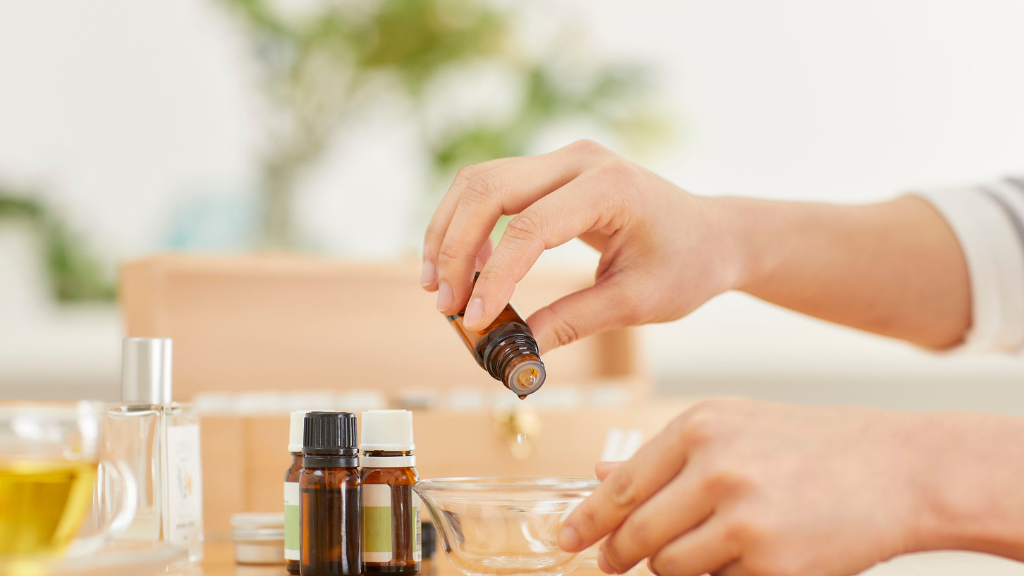
Never apply undiluted fragrance oils directly to skin. This is one of the biggest mistakes beginners make. They smell a pure oil, love it, and want to wear it. Don't.
Undiluted fragrance oils can cause:
- Immediate burning or irritation
- Allergic reactions
- Sensitization (your body develops an allergy over time)
- Long-term skin damage
Safe perfume concentrations:
- Parfum/Perfume: 20-30% fragrance oil maximum
- Eau de Parfum: 15-20% fragrance oil
- Eau de Toilette: 5-15% fragrance oil
- Roll-on oil perfumes: 10-20% fragrance oil in carrier oil
These ranges have been tested and are generally recognized as safe when your fragrance oils themselves meet IFRA standards.
Proper Dilution Techniques and Ratios
For alcohol-based perfumes:
- Calculate your fragrance oil amount (15% of total volume for EDP)
- Add fragrance oils to the perfumer's alcohol
- Shake well
- Let macerate for 2-6 weeks
- Test before selling
For oil-based perfumes:
- Calculate your fragrance oil amount (typically 10-20% for roll-ons)
- Mix with carrier oil (jojoba, fractionated coconut oil)
- Let it sit for 1-2 weeks
- Test before selling
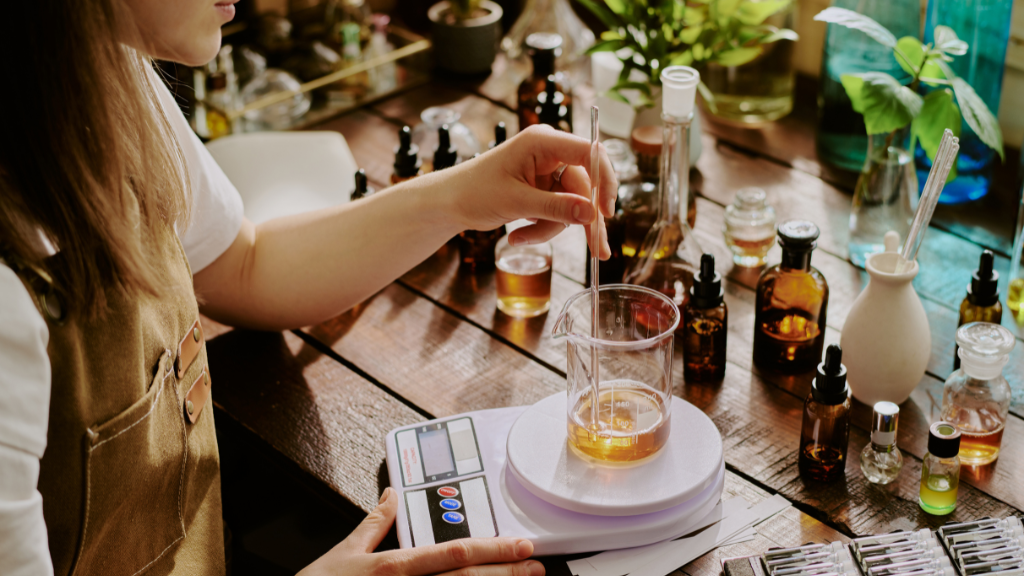
Always measure accurately. Use a scale for larger batches. Precision matters for consistency and safety.
Testing Your Dilutions for Safety
Before you sell any perfume, test it properly:
Patch test protocol:
- Apply a small amount to the inner wrist or elbow
- Wait 24-48 hours
- Check for redness, itching, or irritation
- Test on multiple people with different skin types
What you're checking for:
- Immediate irritation (burning, stinging)
- Delayed reactions (rashes appearing hours later)
- Allergic responses (itching, hives)
- How the scent performs and lasts
Document your testing. If you have to reformulate, you want to know why.
US Perfume Regulations: FDA and Labelling Requirements
FDA Cosmetic Regulations for Perfume Businesses
In the U.S., perfumes are regulated as cosmetics by the FDA. Here's what that means:
You don't need FDA approval to sell perfume. The FDA doesn't pre-approve cosmetics before they go to market.
You are responsible for safety. The FDA expects you to ensure your product is safe before you sell it. They can take action if your product causes problems.
Registration is voluntary but smart. You can register your facility and list your products with the FDA's Voluntary Cosmetic Registration Program. It's not required, but it helps if there are ever questions.
Record keeping matters. Keep records of your formulas, safety testing, customer complaints, and any adverse reactions. If the FDA ever asks questions, you need documentation.
Allergen Disclosure and Labelling Guidelines
Your perfume label needs to include:
Required information:
- Product identity ("Perfume" or "Eau de Parfum")
- Net contents (volume)
- Your business name and address
- Ingredient list (in descending order by predominance)
- Any required warnings
Allergen disclosure: The FDA doesn't require specific allergen warnings for perfumes, but the EU does. If you might sell internationally or want to be extra cautious, list major allergens.
What you can't claim:
- Don't say your perfume treats, prevents, or cures anything
- Don't make medical claims ("reduces anxiety," "cures headaches")
- Don't claim FDA approval unless you actually have it (you won't)
Keep claims simple and cosmetic: "long-lasting fragrance," "fresh citrus scent," "warm and woody." Talk about how it smells and makes people feel, not about health benefits.
State and Local Business Compliance
Beyond federal regulations, check your state and local requirements:
Business licenses: Most areas require a general business license.
Sales tax permits: Needed to collect and remit sales tax.
Home-based business permits: Some cities have special rules for businesses operating from home.
Zoning: Make sure your area allows home-based product manufacturing.
Requirements vary widely by location. Check with your city clerk's office, county business department, and state business registration office.
Don't skip this step. Operating without proper licenses can result in fines and having to shut down.
Common Safety Mistakes That Put Businesses at Risk
The "Natural Means Safe" Misconception
One of the most dangerous beliefs in natural product making: "It's natural, so it must be safe."
Not true. Poison ivy is natural. Arsenic is natural. Plenty of natural substances will hurt you.
Natural fragrance materials still need:
- Proper dilution
- IFRA compliance checking
- Safety testing
- Correct labeling
Essential oils are especially misunderstood. They're highly concentrated plant materials. Many can cause skin reactions, sun sensitivity, or allergic responses if used incorrectly.
Don't let "natural" or "essential oil" replace actual safety protocols. Follow the same standards regardless of whether your materials are natural or synthetic.
Skipping Proper Testing and Documentation
You made a perfume. You wore it for a week. It was fine. So you start selling it.
Then someone else tries it and gets a rash. What went wrong?
Maybe they have more sensitive skin. Maybe they're allergic to an ingredient. Maybe they applied too much. Maybe they wore it in direct sunlight and the perfume had photosensitive materials.
Testing on yourself isn't enough. You need:
- Multiple testers with different skin types
- Testing over time (not just one day)
- Documentation of any issues or reactions
- Records of exactly what's in each batch
When something does go wrong, documentation helps you figure out what happened and how to fix it. Without it, you're guessing.
Inadequate Customer Education and Warnings
Your customers need to know:
- How to use your product properly
- What ingredients it contains
- Any potential risks or sensitivities
- What to do if they have a reaction
Include clear usage instructions with every product:
- "Apply to pulse points"
- "Avoid eye area"
- "Discontinue use if irritation occurs"
- "Perform patch test before first use"
The goal isn't to scare people. It's to help them use your product safely so they have a good experience and come back for more.
Cosmetic Safety Assessments: When and How to Get Professional Help
Understanding When You Need a Professional Safety Assessment
For most small businesses selling simple perfumes, you can handle basic safety compliance yourself if you:
- Use IFRA-compliant fragrance oils
- Follow standard dilution ratios
- Keep good documentation
- Don't make medical claims
You might want professional help if you:
- Create complex custom formulations
- Add unusual ingredients
- Plan to sell in large volumes or through major retailers
- Want to expand internationally (especially to EU, which has stricter requirements)
- Face customer complaints or reactions
Working with Safety Consultants and Labs
Cosmetic chemists can review your formulas and ensure they meet safety standards. Cost: $100-500+ per formula review.
Testing labs can perform stability testing, challenge testing (preservative efficacy), and safety assessments. Cost: $500-5,000+, depending on tests needed.
When to invest: If you're scaling up, if retailers require it, or if you want extra protection from liability.
Finding qualified professionals: Look for chemists with cosmetic formulation experience. Check credentials. Ask for references.
How Africa Imports Supports Your Safety Compliance
Pre-Tested, IFRA-Compliant Fragrance Oils
Every fragrance oil we sell meets IFRA safety standards. We provide IFRA documentation so you know exactly what you're working with and how to use it safely.
Our oils are tested and formulated for skin-safe applications. They're not candle-grade oils being sold for perfume. They're made for what you're actually creating.
When you have questions about safe usage rates or restrictions on specific oils, we have the documentation and expertise to help you get it right.
Safety Data Sheets and Technical Support
We provide Safety Data Sheets (SDS) for our products. These documents include:
- Chemical composition information
- Hazard identification
- Safe handling procedures
- Storage requirements
- Regulatory information
Need help understanding an SDS? Not sure how to calculate safe usage rates? Wondering if a specific oil is appropriate for your formula? Ask. That's what we're here for.
Educational Resources for Ongoing Compliance
Safety standards change. New research comes out. Regulations get updated. We keep our customers informed about changes that affect their businesses.
Our knowledge base includes safety guidelines, blending best practices, and regulatory information. We want you to succeed long-term, and that means helping you stay compliant.
Building Your Safety Protocol System
Creating Standard Operating Procedures
Set up systems so safety becomes automatic, not something you have to remember each time:
Formulation checklist:
- Check IFRA compliance for all oils
- Calculate safe usage rates
- Document the exact formula
- Test before production
Testing protocol:
- Patch test on multiple people
- 24-48 hour observation period
- Document results
- Store control samples
Record keeping:
- Formula records with dates
- Batch numbers
- Testing results
- Customer feedback
Write it down. Follow it every time. Train anyone who helps you.
Customer Communication and Education
Make safety information easy to find and understand:
On your labels:
- Clear ingredient list
- Usage instructions
- Contact information
On your website or in packaging:
- Detailed ingredient information
- Patch test recommendations
- Storage instructions
- What to do if irritation occurs
In customer interactions:
- Answer questions honestly
- Provide additional information when asked
- Take concerns seriously
- Follow up on any issues
Good communication prevents problems and builds trust.
Ready to create safe, compliant perfumes?
Africa Imports provides IFRA-compliant fragrance oils, complete safety documentation, and the technical support you need to meet regulatory requirements. Shop our fragrance oil collection and build your perfume business the right way.
Health and Safety Disclaimer
This information is for educational purposes only and does not constitute legal advice. Regulations may vary by state, country, and product type. Always consult with qualified regulatory professionals and legal counsel regarding your specific situation. Africa Imports cannot provide legal advice or guarantee compliance outcomes. Individual businesses are responsible for ensuring their own regulatory compliance. Always follow proper safety protocols when handling fragrance materials. Perform patch tests and maintain detailed records. Africa Imports fragrance oils are for external use only and should be properly diluted before application according to IFRA guidelines and safe usage rates.
You Might Also Like
6 MIN READ / PRODUCT QUALITY
What to Look for in High-Quality Oils
Understand the key factors that define premium oils — from purity and sourcing to scent reliability and safety for products.

6 MIN READ / FRAGRANCE INSIGHTS
The Science of Scent
Discover how scent works on a molecular level and its links to memory, emotion, and behavior — useful for product design and aromatherapy.
7 MIN READ / EDUCATIONAL
Essential Oils vs Fragrance Oils: What’s the Difference?
Learn the practical differences — natural vs synthetic, usages, safety considerations, and which to pick for candles, soaps, or perfumes.