 USD
USD  GBP
GBP  CAD
CAD  AUD
AUD 
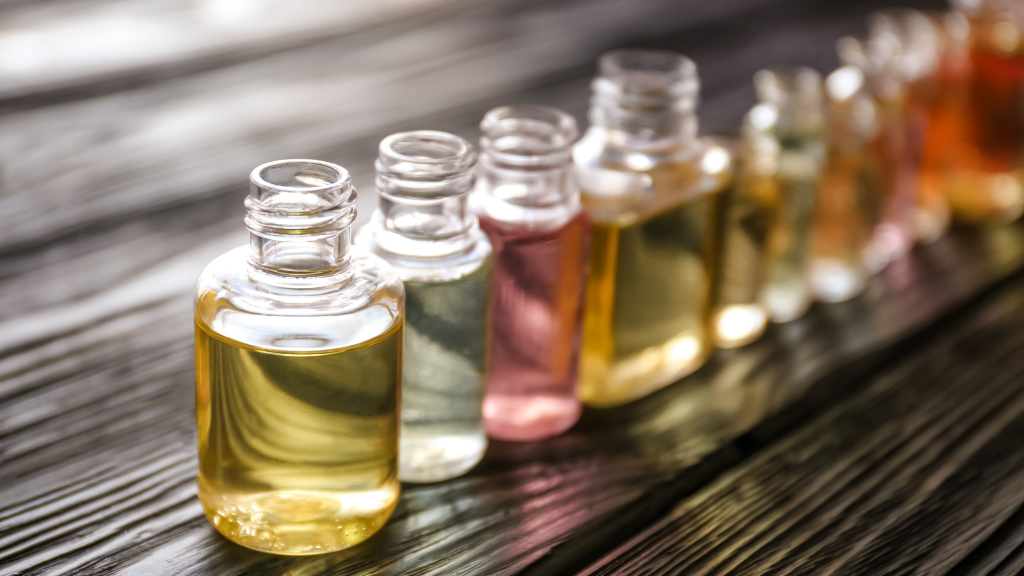
If you make candles, soap, skin care products, or body sprays, you've probably had this question come up more than once: Should I use essential oils or fragrance oils?
Both have a place in your product line, and neither is "better" across the board. The right choice depends on what you're making, who you're making it for, and how you want your final product to perform.
This guide breaks down how the two differ, which one works best for specific products like candles, soap, and skin care, and how to make smart buying decisions if you're running a small business. We'll also cover safety basics, regulations, and storage so you can create products with confidence.
What Are Essential Oils?
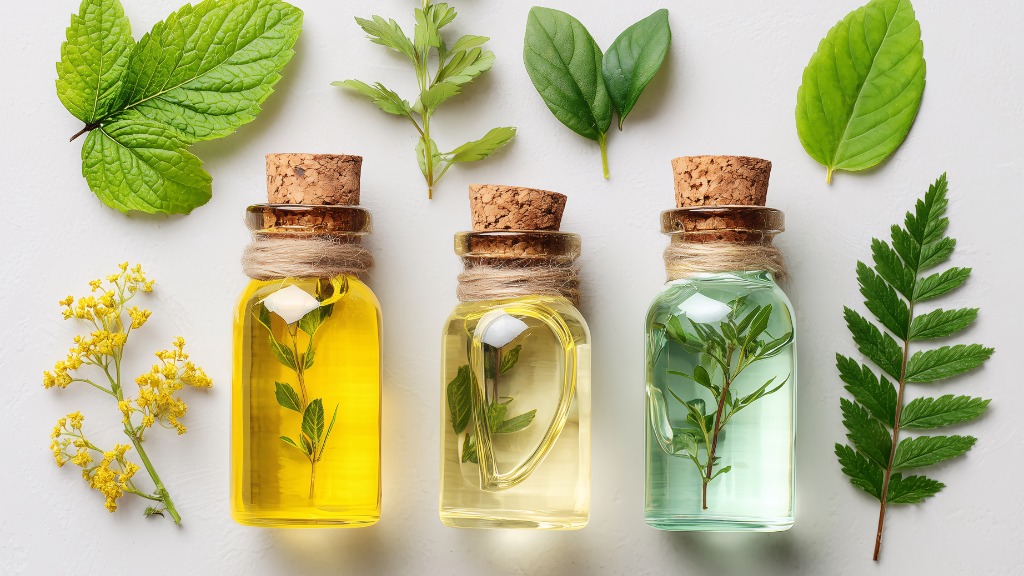
Essential oils are concentrated liquids extracted directly from plants. The oils come from leaves, flowers, bark, roots, seeds, or citrus peels, and they carry the natural scent of the plant they came from.
There are a few common extraction methods:
Steam distillation
This is the most widely used. Plant material is suspended over boiling water, and the steam draws out the oils. That steam is then cooled and collected, and the oil separates from the water.
Cold pressing
This is used mainly for citrus oils like lemon, orange, and grapefruit. The oil is physically pressed from the fruit's rind, similar to how olive oil is produced.
CO2 extraction
This uses pressurized carbon dioxide to pull oils from plant material. This method is gentler and can preserve more of the plant's original scent profile, but it's also more expensive.
Because essential oils come directly from plants, they're 100% natural and contain no synthetic components. Each oil has a complex chemical makeup with hundreds of naturally occurring compounds. That complexity is why lavender doesn't just smell "floral." It has herbal, slightly sweet, and even woody notes all in one oil.
One thing worth knowing: essential oils can only come from plants that naturally produce volatile aromatic compounds. You won't find a "strawberry" essential oil, for example, because strawberries don't produce the right type of oil. So the range of available scents is limited to what exists in nature.
Common essential oils include lavender, tea tree, peppermint, eucalyptus, lemon, frankincense, and rosemary. Many people use them in aromatherapy, and some believe certain oils may support relaxation or general wellbeing, though these benefits vary from person to person and aren't guaranteed.
What Are Fragrance Oils?
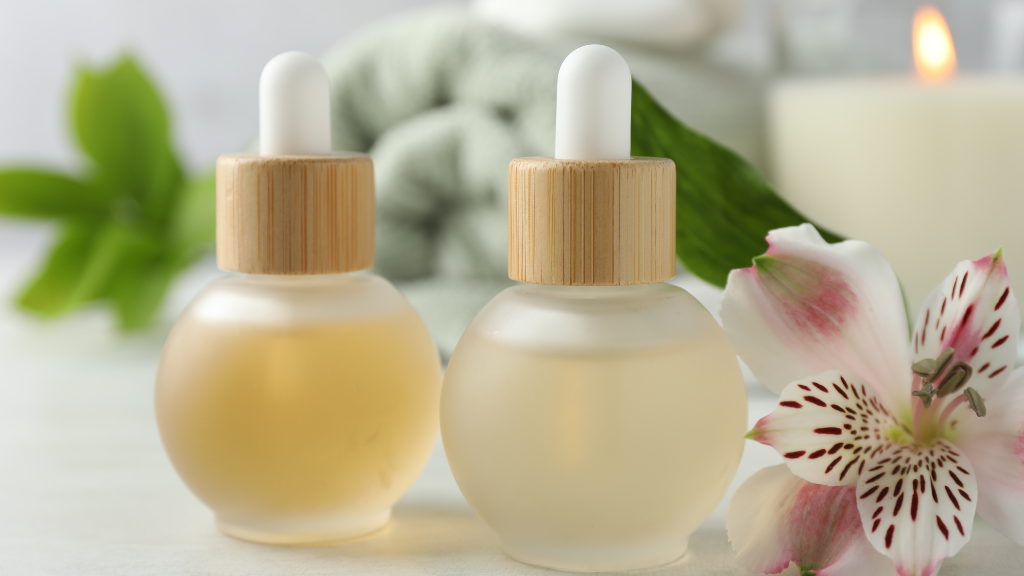
Fragrance oils are aromatic compounds created in a laboratory. They're designed to recreate natural scents or produce entirely new ones that don't exist in nature, like ocean breeze, vanilla cupcake, or fresh linen.
A single fragrance oil can contain 40 to 80 different materials, including aroma chemicals, solvents, carriers, and stabilizers. Some may include a small percentage of natural plant extracts, but the overall composition is synthetic or semi-synthetic.
One of the biggest advantages of fragrance oils is consistency. Because they're manufactured under controlled conditions, every batch smells the same. If you're making products to sell, having that reliability matters. Your customers expect your "Summer Citrus" blend to smell identical every time they buy it.
Fragrance oils also give you access to a far wider range of scents. Want to make a candle that smells like warm cookies, a rainy forest, or a designer cologne? Fragrance oils make that possible. Essential oils simply can't replicate those kinds of scents.
It's important to note that fragrance oils don't carry aromatherapy or therapeutic properties. They're used purely for scent. However, cosmetic-grade fragrance oils are formulated to be skin-safe when diluted properly, making them suitable for products like lotions, body sprays, and soap.
What About Natural Fragrance Oils?
There's a third category that often gets overlooked: natural fragrance oils.
These are made from isolated natural compounds, called plant isolates, that are extracted from real plants and then blended together to create specific scent profiles. For example, linalyl acetate can be isolated from lavender and blended with ethyl acetate from orange to create a new scent that's still technically natural.
The International Organization for Standardization classifies these isolates as natural under ISO 9235.
Natural fragrance oils bridge the gap between fully synthetic fragrance oils and fully natural essential oils. They can offer more creative scent options while still allowing you to market your products as "naturally scented." This is particularly useful if your brand focuses on natural ingredients, but you want more variety than essential oils alone can provide.
The tradeoff is that natural fragrance oils tend to cost more than synthetic ones and may not perform as well in every application. In cold process soap, for instance, many natural fragrances can fade during the curing process.
Key Differences Between Essential Oils and Fragrance Oils
Here's a side-by-side breakdown of the main points of comparison:
|
Feature |
Essential Oils |
Fragrance Oils |
|
Source |
Extracted from plants |
Lab created |
|
Composition |
Complex natural plant compounds |
Synthetic |
|
Scent range |
Limited to natural plant scents |
Almost unlimited |
|
Scent strength |
Subtle; can fade faster |
Stronger and longer-lasting |
|
Consistency |
Varies between batches and harvests |
Every batch is consistent |
|
Shelf life |
1-3 years depending on oil |
2-5+ years with proper storage |
|
Cost |
Generally more expensive |
Generally more cost-effective |
|
Therapeutic use |
Aromatherapy (benefits vary) |
None |
|
Skin safety |
Requires dilution with carrier oil |
Must be cosmetic-grade; always dilute |
|
Best for |
Wellness products, skin care, and aromatherapy |
Candles, soaps, body sprays, and home fragrance |
Both types of oil serve different purposes, and many product makers stock both to cover a wider range of applications.
Which Oil Should You Use? A Guide by Product Type
The best choice depends on what you're making and what your customers expect from the finished product. Here's how the two compare across the most common product categories.
Candles and Wax Melts
Fragrance oils are generally the better choice for candle making, and most candle businesses rely on them for a few key reasons.
First, fragrance oils produce a stronger scent throw, both hot (when the candle is burning) and cold (when it's just sitting on a shelf). Essential oils are more volatile, meaning they evaporate faster when exposed to heat. That's a problem in candles, where the whole point is sustained fragrance as the wax melts.
Second, fragrance oils are more stable at high temperatures. Some essential oils can break down, lose their scent, or even become a safety concern at the temperatures involved in candle making. Essential oils have lower flashpoints, and using too much in a candle can create a fire risk.
Third, the variety of available scents is much greater with fragrance oils. Seasonal and trending candle scents like pumpkin spice, fresh linen, or birthday cake simply aren't possible with essential oils alone.
That said, essential oils can work in candles. They just require higher concentrations to achieve noticeable scent throw, which drives up costs. If you're building a brand around all-natural products and your price point supports it, essential oil candles can be a selling point.
Test small batches first and check the specific oil's performance notes before committing to a production run.
Soap Making
Both essential oils and fragrance oils work well in soap, whether you're doing cold process, hot process, or melt-and-pour.
Fragrance oils tend to hold their scent better through the saponification process in cold process soap. Essential oils, particularly lighter citrus and floral scents, can fade during the 4-6 week curing period.
However, essential oils appeal to customers who want all-natural products. If you sell at farmers markets or natural health stores, an essential oil soap line can command a higher price and attract a loyal customer base.
A few practical notes for soap makers: some fragrance oils can accelerate trace in cold process soap, which means your batter thickens faster and gives you less working time. Others can cause discoloration. Always test small batches first, and read the supplier's performance notes before using any oil in a full production batch.
Diffusers and Home Fragrance
Both oil types work in ultrasonic diffusers and reed diffusers, but they perform differently.
Essential oils are a popular choice for diffusers because some people find certain scents may support relaxation or create a refreshing atmosphere. Lavender and eucalyptus are two of the most commonly diffused essential oils.
Fragrance oils provide a stronger, longer-lasting scent that fills a room more effectively. They're a good fit for reed diffusers in particular, where the oil needs to travel up the reeds and disperse consistently over weeks.
One important safety note: don't use candle-grade fragrance oils in diffusers or any product that involves direct inhalation at close range. Always check that the oil is rated for your intended use. Reputable suppliers label their oils with approved applications.
Skin Care and Body Products
Essential oils are popular in skin care lines that position themselves as natural or wellness-focused. Tea tree oil is widely used for blemish-prone skin, and lavender is a common addition to calming body lotions.
If you're using essential oils in leave-on products like lotions, creams, or serums, they must always be diluted with a carrier oil or base. The standard guideline is 1-2% essential oil in the final product. That works out to roughly 6-12 drops per ounce of carrier.
Fragrance oils can be used in body products too, but only if they're cosmetic-grade and specifically formulated for skin contact. Not all fragrance oils are skin-safe, so always check the Safety Data Sheet (SDS) and IFRA guidelines before formulating.
Keep in mind that some customers have sensitivities to synthetic fragrances, while others react to certain essential oils like cinnamon or citrus oils. Knowing your audience helps you choose the right approach.
Perfume and Body Spray
Fragrance oils are the go-to choice for most perfumers and body spray makers. They allow for complex, layered scent profiles that evolve over time through top, middle, and base notes. A single fragrance oil can contain dozens of aroma compounds working together to create that kind of depth.
Essential oil perfumes tend to have simpler, single-note profiles. They smell natural and fresh, but they generally don't have the same complexity or longevity on skin.
That said, many successful perfumers blend both types. Using essential oils as a base gives the fragrance natural depth, while fragrance oils add strength and staying power. If you're creating perfume oils for resale, this blended approach can give you the best of both worlds.
Cost, Shelf Life, and Storage
Understanding the cost and storage differences between these two oil types is important if you're buying in bulk for a business.
Cost
Essential oils are more expensive per ounce, and prices can fluctuate based on crop conditions, harvest quality, and supply chain factors. It takes roughly 4,000 pounds of roses to produce just one pound of rose essential oil, which is why rose oil is one of the most expensive on the market. Fragrance oils are more cost-effective and price-stable because they're manufactured, not harvested.
Shelf life
Most essential oils last 1-3 years when stored properly. Citrus oils have shorter shelf lives, sometimes less than a year, because they oxidize faster. Fragrance oils generally last 2-5 years or more with proper storage.
Storage
Both types should be kept in a cool, dark place, tightly sealed in amber or cobalt glass bottles. Keep them away from heat, direct sunlight, and moisture. Essential oils are more sensitive to their environment than fragrance oils, so refrigeration (separate from food) can help extend their usable life.
For business owners
Fragrance oils offer more predictable costs and less risk of inventory waste. If you're just starting out and watching your margins closely, fragrance oils let you create a wider product range without the higher upfront investment that essential oils require.
Safety, Regulations, and Labeling
Whether you're using essential oils or fragrance oils, safe handling matters. Here's what you need to know, especially if you're making products for sale.
Essential oil safety
Never apply essential oils directly to skin without diluting with a carrier oil. Some essential oils are phototoxic, meaning they can cause skin reactions when exposed to sunlight. Citrus oils like bergamot and lemon are common examples. Proper dilution ratios are important: the general guideline for leave-on products is 1-2% essential oil concentration.
Fragrance oil safety
Only use cosmetic-grade fragrance oils in products that touch skin. Candle-grade fragrance oils are not formulated for skin contact and should never be used in lotions, soaps, or body sprays. Always verify the oil's intended use before adding it to a formulation.
IFRA standards
The International Fragrance Association (IFRA) sets maximum safe usage rates for fragrance materials across different product categories. These standards tell you, for example, the maximum percentage of a specific fragrance oil you can safely use in a lotion versus a candle. Africa Imports provides IFRA documentation for all fragrance oils, so you can formulate with confidence.
FDA labeling
If you're selling products in the U.S., ingredients must be listed accurately on product labels. "Fragrance" is an accepted term under FDA regulations, but many customers prefer transparency. Listing specific essential oils or noting "fragrance oil" builds trust and helps customers make informed choices.
Safety Data Sheets (SDS)
Reputable suppliers provide SDS documentation for their oils. These sheets include information on proper handling, storage, potential hazards, and first aid measures. Always keep these on file if you're making products for sale.
This is an area where many competitor articles fall short. If you understand and follow IFRA guidelines and FDA labeling requirements, you're already a step ahead of most small business competitors who skip the regulatory side.
How to Choose the Right Oil for Your Business
If you're deciding between essential oils and fragrance oils for your product line, here are the key factors to consider.
Think about your brand positioning
If your brand is built around natural wellness and clean ingredients, essential oils are a better fit for that message. If your brand is about creative scents, seasonal collections, and trend-driven products, fragrance oils give you the flexibility you need. Many businesses use both across different product lines.
Think about your target customer
Shoppers at natural health stores and wellness boutiques tend to expect essential oils. Bath bomb buyers, candle lovers, and body spray customers are often more interested in scent variety and strength, which is where fragrance oils shine.
Think about your margins
Fragrance oils cost less per ounce, which means better profit margins on products like candles, soap, and body sprays. Essential oils can justify higher retail prices, but only if your customer base is willing to pay for that positioning.
Start with samples
Before committing to bulk orders, test how oils perform in your specific formulations. An oil that smells great out of the bottle might perform differently once it's mixed into wax, soap batter, or a lotion base.
Be transparent with your customers
Whether you use essential oils, fragrance oils, or both, tell your customers what's in your products and why. Honesty builds trust, and trust builds repeat business.
Tips for Small Business Owners
If you're building a product-based business, here's how to make the most of both oil types:
Stock both essential and fragrance oils so you can serve different product lines and customer segments. Use essential oils for your "natural" or "wellness" line and fragrance oils for seasonal, trend-driven, or scent-focused products.
Educate your retail customers on the differences between the two. When you can explain why you chose a specific oil for a specific product, it positions you as someone who knows their craft. That builds loyalty.
Keep detailed batch records of which oils you use in each product, including supplier, lot numbers, and concentrations. This matters for safety, consistency, and easy reorders.
Buy wholesale to protect your margins. Africa Imports offers both essential oils and fragrance oils in bulk at wholesale prices, with IFRA documentation included.
Consider private labeling. Africa Imports' oils come ready for you to repackage and brand as your own. This is a straightforward way to build a product line without the overhead of sourcing and manufacturing from scratch.
If you're just getting started, oil sets and starter kits let you sample a range of scents before committing to larger quantities.
Frequently Asked Questions
Is fragrance oil better than essential oil?
Neither is objectively "better." It depends on what you're making and what your customers want. Fragrance oils offer stronger scent, more variety, and lower cost. Essential oils are natural and are commonly used in aromatherapy and wellness products. Many product makers use both.
What lasts longer, essential oils or fragrance oils?
Fragrance oils generally last longer, both in finished products and on the shelf. Essential oils are more volatile and can fade faster, especially in heated applications like candles. Most fragrance oils have a shelf life of 2-5 years, while essential oils typically last 1-3 years (citrus oils often less).
What is the healthiest way to scent your home?
Diffusing essential oils is often considered one of the more natural options for home fragrance. That said, both essential and fragrance oils should be used in well-ventilated spaces. If you have pets or young children, check which oils are safe for your household first, as some essential oils can be harmful to cats and dogs.
Can I use essential oils and fragrance oils together?
Yes. Many product makers blend both to get the natural depth of essential oils combined with the scent strength and longevity of fragrance oils. Just make sure both oils are safe for your intended application and that you're not exceeding recommended usage rates.
Are diffuser oils the same as essential oils?
Not always. Some diffuser oils are pure essential oils, while others are fragrance oils specifically formulated for diffuser use. Always check the label to know what you're buying before using any oil in a diffuser.
Can I use candle fragrance oils on skin?
No. Candle-grade fragrance oils are not formulated for skin contact. If you're making body products like lotion, soap, or perfume, only use cosmetic-grade, skin-safe fragrance oils. Check the product's SDS and IFRA documentation to confirm it's rated for skin use.
Health and Safety Disclaimer
The information in this article is for general educational purposes only. It's not medical advice. Essential oils and fragrance oils are not intended to diagnose, treat, cure, or prevent any disease. Always do a patch test before using any new oil on skin, and consult a healthcare professional if you have specific health concerns.