 USD
USD  GBP
GBP  CAD
CAD  AUD
AUD 
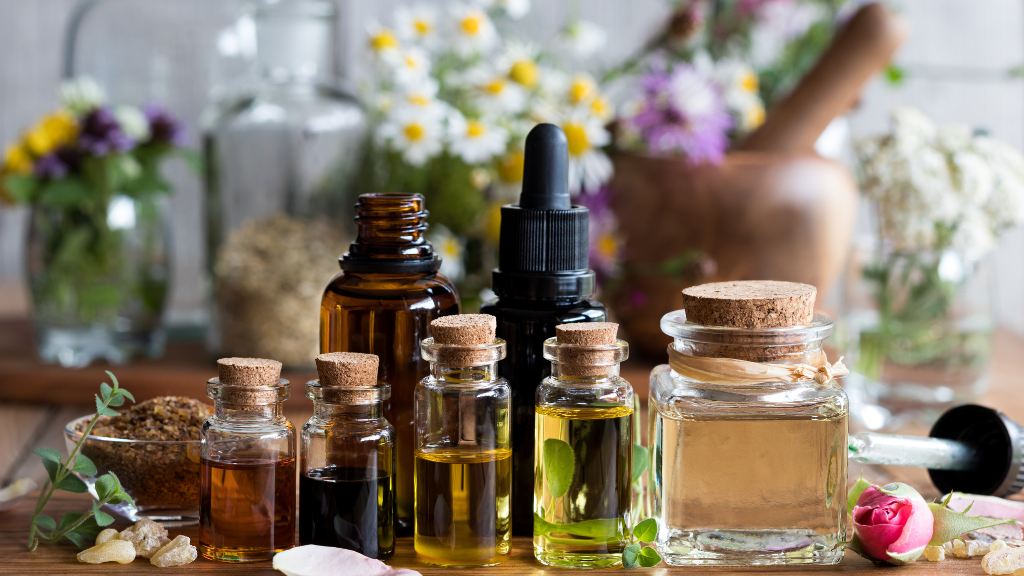
Essential oils have been part of wellness routines for centuries. People use them to manage stress, support sleep, ease sore muscles, and care for their skin and hair. But with so many claims floating around, it's hard to know what's backed by real evidence and what's just hype.
This guide breaks down the actual benefits of essential oils, how they work in your body, and the best ways to use them at home or in your business. We'll cover the well-known uses alongside some lesser-known ones, like allergy support and digestive comfort, that don't get talked about enough.
Whether you're using essential oils for personal wellness or building a product line to sell, this is everything you need to know.
What Are Essential Oils?
Essential oils are concentrated plant extracts made from leaves, flowers, bark, roots, or fruit peels. They're produced through two main methods: steam distillation, where steam pulls the oil out of plant material, and cold pressing, which is used mostly for citrus oils like lemon and orange.
What makes essential oils so potent is how much plant material goes into each bottle.
According to the Cleveland Clinic, it takes roughly 250 pounds of lavender flowers to produce just one pound of lavender essential oil. That concentration is what gives these oils their strong aromas and their potential wellness benefits.
One thing worth knowing: essential oils and fragrance oils are not the same thing. Essential oils come directly from plants and contain the plant's naturally occurring compounds. Fragrance oils are made synthetically in a lab to mimic a scent. Both have their place, but when it comes to aromatherapy and topical wellness uses, essential oils are what you want.
Essential oils are used in aromatherapy, which is a complementary wellness practice. That means they're used alongside regular health routines, not as a replacement for medical care.
How Do Essential Oils Work?

Essential oils interact with your body in two main ways: through inhalation and through topical application.
When you breathe in the scent of an essential oil, the aroma molecules travel through your olfactory nerves (the nerves responsible for your sense of smell) and reach the limbic system in your brain. The limbic system plays a role in emotions, memory, and stress response. That's why certain scents can shift your mood quickly. Breathing in lavender, for example, may help you feel calmer within minutes.
When applied to the skin, essential oils absorb through the outer layers and reach the underlying tissues and muscles. This is why diluted essential oils are popular in massage therapy for things like muscle soreness and tension. The oil needs to be mixed with a carrier oil first (like jojoba, coconut, or argan oil) to avoid skin irritation, since essential oils are too concentrated to apply directly in most cases.
Both methods are supported by published research. Johns Hopkins Medicine notes that inhaled essential oils stimulate areas of the limbic system involved in emotions, heart rate, blood pressure, breathing, and stress response.
Stress, Anxiety, and Mood
This is one of the most widely recognized benefits of essential oils. Lavender, chamomile, bergamot, and rose are commonly used for calming effects.
Lavender is the most studied. It acts as a mild sedative and may help reduce cortisol, the hormone your body releases during stress. When cortisol stays high for too long, it can affect sleep, digestion, and immune function. Using lavender in a diffuser or adding a few drops to a warm bath is one of the simplest ways to wind down after a long day.
Orange oil has also shown promise. WebMD cites a study where male volunteers who inhaled orange oil showed reduced anxiety compared to those who didn't. Bergamot, which gives Earl Grey tea its distinctive flavor, is another oil that people use to support mood.
How to use them:
- Add 3 to 5 drops to a diffuser, mix with a carrier oil for a body oil blend, or add a few drops to bath salts for a calming soak.
Keep in mind that while these oils may help reduce feelings of stress and anxiety, they're not a substitute for professional mental health support. If you're dealing with ongoing anxiety, talk to a healthcare provider.
Sleep and Relaxation
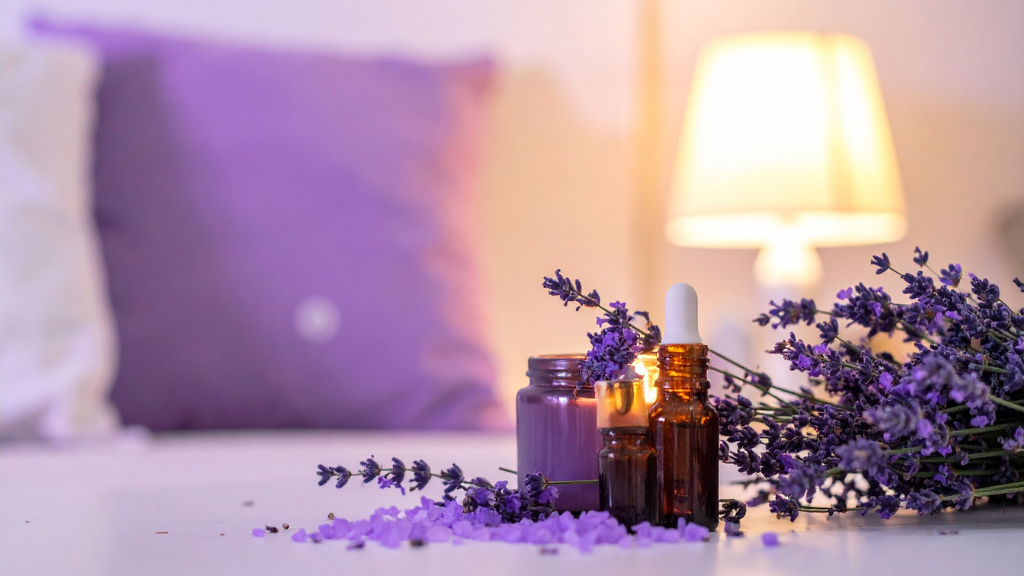
If you struggle to fall asleep or stay asleep, essential oils might be worth trying as part of your bedtime routine. Lavender is the most popular choice for sleep support. A study cited by WebMD found that placing lavender oil on towels near the pillows of older adults with dementia helped them sleep longer, particularly in the early morning hours.
Sandalwood and cedarwood are two other oils people reach for at bedtime. Both have warm, grounding scents that may help quiet a busy mind. A study published in the Japanese Journal of Pharmacology found that cedarwood oil had a calming effect on the autonomic nervous system.
Where to put essential oils for sleep: Try applying diluted lavender or cedarwood oil to your wrists or temples before bed. You can also add a few drops to a pillow mist spray or run a diffuser on your bedside table for 20 to 30 minutes as you settle in.
Pairing essential oils with other sleep habits, like keeping your room cool and dark, putting your phone away, and sticking to a consistent bedtime, tends to give the best results.
Pain and Muscle Recovery
Essential oils won't replace pain medication, but they've been used for centuries to help manage everyday aches and discomfort. Peppermint is one of the most popular choices here. Its active compound, menthol, creates a cooling sensation that may help ease headaches and sore muscles. The Cleveland Clinic notes that peppermint oil has anti-inflammatory and antimicrobial properties.
Eucalyptus is another strong option for pain and inflammation. It's often used in chest rubs and muscle balms. Research published in the journal Evidence-Based Complementary and Alternative Medicine found that eucalyptus oil may help relieve pain and reduce inflammation when applied topically.
Lavender and chamomile are gentler options that some people prefer for tension headaches and migraines. A small amount diluted with a carrier oil and massaged into the temples or the back of the neck is a common approach.
How to use them: Mix 3 to 5 drops of peppermint or eucalyptus oil with a tablespoon of carrier oil (jojoba or coconut work well) and massage into the affected area. Africa Imports also carries an Arthritis & Joint Oil healing oil blend that's ready to use for customers who prefer a pre-made option.
Energy, Focus, and Mental Clarity
Not all essential oils are about winding down. Some can actually help you feel more alert and focused.
Peppermint is the standout here. The Cleveland Clinic notes that peppermint oil may support memory and attentiveness. If you've ever felt more awake after chewing peppermint gum, the effect from the oil works in a similar way. Add a drop or two to your palms, rub them together, and cup your hands near your nose for a quick midday reset.
Rosemary is another oil associated with cognitive function. A study published in Therapeutic Advances in Psychopharmacology found that exposure to rosemary aroma improved speed and accuracy on cognitive tasks. It's a popular choice for people who work from home or study for long hours.
Lemongrass and cinnamon leaf are two lesser-known options. Lemongrass has a bright citrus scent that may help improve focus, while cinnamon leaf oil has a warm, spicy aroma that some people find mentally stimulating.
Citrus oils like lemon and orange are also popular for lifting energy and mood. They work well in a diffuser during the morning or early afternoon.
How to use them: Run a diffuser with peppermint, rosemary, or a citrus blend in your workspace. You can also apply diluted rosemary oil to your wrists before studying or working on a project.
Skin and Hair Care
Acne and Skin Conditions
Tea tree oil is one of the most well-researched essential oils for skin. Both the Cleveland Clinic and Johns Hopkins Medicine recognize it as an antiseptic and antimicrobial agent. It's commonly used to help with acne, athlete's foot, and fungal infections.
For acne, the Cleveland Clinic notes that you can apply tea tree oil directly to blemishes using a cotton swab. This is one of the few cases where the oil doesn't need to be diluted first, though people with sensitive skin may still want to mix it with a small amount of carrier oil.
Bergamot oil has been used by some people for eczema-related skin irritation, though it's important to know that bergamot (and other citrus oils) can cause photosensitivity. Avoid direct sunlight on areas where you've applied it.
Lavender oil is another option for skin inflammation and minor irritations. Its calming properties work on the skin as well as the mind.
Hair Growth and Scalp Health
Several essential oils are associated with supporting scalp health and hair growth. Rosemary oil has gained a lot of attention in recent years. A study published in the journal SKINmed found that rosemary oil was comparable to minoxidil (a common hair growth treatment) in promoting hair growth over a six-month period.
Peppermint oil may help stimulate blood flow to the scalp, which supports follicle health. Lavender and cedarwood are also popular choices for hair care routines.
Here's a simple DIY hair oil recipe you can make at home or sell in your business:
- Pick a carrier oil base. Jojoba and argan oil are good choices because they absorb well without leaving hair greasy.
- Add 3 to 5 drops of your chosen essential oil (rosemary, peppermint, or lavender) per tablespoon of carrier oil.
- Massage the blend into your scalp for 2 to 3 minutes.
- Leave it on for at least 30 minutes (or overnight with a satin cap), then wash out with your regular shampoo.
This kind of DIY blend is also a product your customers would love. Pre-mixed scalp oils are a strong seller at farmers markets, pop-up shops, and online stores.
Respiratory and Allergy Support
This is one of the more surprising benefits of essential oils that most guides don't cover in detail.
Eucalyptus oil is widely used for congestion relief. It works as a natural decongestant and may help open up airways when you're dealing with a cold, sinus pressure, or seasonal stuffiness. Adding a few drops to a bowl of hot water and inhaling the steam is one of the oldest home remedies around.
Peppermint oil offers similar respiratory support thanks to its menthol content. Some people combine eucalyptus and peppermint in a diffuser during cold and flu season.
For seasonal allergies, lavender and lemon oils are two that come up frequently. Lavender may help calm the body's histamine response, while lemon oil's fresh scent can help you feel less congested. Some people blend lavender, lemon, and peppermint and diffuse them together during allergy season.
How to use them:
- Steam inhalation with eucalyptus or peppermint (add 3 to 4 drops to a bowl of hot water, drape a towel over your head, and breathe deeply for 5 to 10 minutes).
- You can also mix eucalyptus with a carrier oil and rub it on your chest, or run a diffuser with a respiratory blend in your bedroom.
These methods may help you feel more comfortable, but they're not a replacement for allergy medication or medical care if your symptoms are serious.
Immunity and Antimicrobial Uses
Some essential oils have properties that may support your body's natural defenses. Tea tree oil is the most studied in this area. Its antiseptic and antifungal qualities make it useful for things like athlete's foot, ringworm, and minor cuts.
Lemon oil has antibacterial properties and is a popular addition to homemade cleaning sprays. A mixture of water, white vinegar, and a few drops of lemon essential oil makes an effective, natural surface cleaner.
Johns Hopkins Medicine has noted that researchers have studied essential oils' ability to fight certain bacteria and viruses in laboratory settings, including early-stage research on Lyme disease bacteria. These are lab results and not clinical recommendations, but they point to growing scientific interest in what these oils can do.
Eucalyptus and thyme oils are also recognized for their antimicrobial properties and are common ingredients in natural household cleaning products.
Digestive Support
Peppermint oil has some of the strongest evidence when it comes to digestive support. The Cleveland Clinic cites research showing that peppermint oil capsules may help reduce gut spasms in people with irritable bowel syndrome (IBS). Peppermint tea is a gentler option that many people find soothing for an upset stomach.
Ginger oil is traditionally used for nausea. Some people apply diluted ginger oil to the abdomen or inhale it from the bottle during bouts of motion sickness or morning sickness.
Lemon oil is another option. It may support digestion when inhaled or diffused, and its clean, bright scent can help settle feelings of queasiness.
How to use them:
For digestive support, try drinking peppermint tea or applying diluted peppermint oil to the abdomen in a clockwise motion. Ginger oil can be diffused or inhaled directly from the bottle.
As with all essential oil uses, these are complementary approaches. If you have ongoing digestive issues, work with your doctor.
How to Use Essential Oils at Home
There are several safe and effective ways to enjoy essential oils in your daily routine.
Diffusing is the most common method. An electric diffuser disperses tiny oil particles into the air, filling your room with the scent. Add 3 to 5 drops of oil to water in your diffuser and let it run for 20 to 30 minutes at a time. This works well for mood, stress, focus, and respiratory support.
For topical use, always dilute essential oils with a carrier oil before applying to skin. A safe general ratio is 3 to 5 drops of essential oil per tablespoon of carrier oil. Jojoba, coconut, and argan oil are popular carrier choices. Apply the blend to your wrists, temples, the bottoms of your feet, or wherever you want targeted support.
Bath soaks are another easy option. Add 5 to 8 drops of essential oil to a handful of Epsom salts, then dissolve in warm bath water. The salts help disperse the oil evenly rather than letting it float on the surface.
Steam inhalation works well for congestion or respiratory support. Add a few drops to a bowl of hot water, lean over with a towel over your head, and breathe deeply.
You can also make your own blends for things like hair oil, body oil, pillow mists, and room sprays. These are also easy products to create and sell if you run a small business.
Essential Oils to Know: A Quick Guide
Here's a rundown of the most popular essential oils, what they're best used for, and one safety note for each.
Lavender: This is the most widely used essential oil in the world. It's used for stress, sleep, skin irritation, and headaches. Works well in a diffuser, bath, or body oil. Safety considerations: it may disrupt hormones in young boys with prolonged topical use (Cleveland Clinic).
Peppermint: This is one of the most multi-functional oils available. It supports focus, eases headaches, clears congestion, and may help with digestive discomfort. Works well diffused or applied topically. Safety considerations: you should always dilute before applying to skin. Keep away from young children.
Tea tree: This is known for its antiseptic and antifungal properties. It's commonly used for acne, athlete's foot, and minor skin infections. Safety considerations: it can be neurotoxic to pets, especially cats. Don't diffuse around animals.
Eucalyptus: This is best for respiratory support, congestion, and muscle pain. It works well in steam inhalation or mixed with a carrier oil for chest rubs. Safety considerations: it’s not safe for young children and babies. Always dilute before use.
Frankincense: This is often called the "king of oils" and has a long history in spiritual and religious practices. In biblical texts, frankincense and myrrh are named among the gifts of the Magi. Today, it's used for inflammation, mood support, and meditation. Safety considerations: always dilute before topical use. It’s generally a well-tolerated oil.
Lemon: This is a bright, energizing oil with antibacterial properties. It's popular in cleaning products and mood-boosting diffuser blends. Safety considerations: it can cause photosensitivity. You should avoid sun exposure on the skin where you've applied it.
Rosemary: This oil is used for focus, hair growth, and pain relief. It has a strong herbal scent that pairs well with peppermint or lavender. Safety considerations: avoid during pregnancy, if you have epilepsy or high blood pressure.
Lemongrass: This oil has a fresh citrus scent and is used for stress relief, focus, and as an antibacterial agent. Safety considerations: it can irritate sensitive skin. Always dilute with a carrier oil.
Safety Tips and What to Watch Out For
Essential oils are powerful, and using them safely matters.
Always dilute with a carrier oil before applying to the skin. A good starting ratio is 3 to 5 drops of essential oil per tablespoon of carrier oil. Applying undiluted essential oils directly to skin can cause burns, rashes, or irritation.
Do a patch test before using a new oil. Apply a small amount of the diluted blend to the inside of your wrist or elbow. Wait 24 hours. If there's no reaction, it's generally safe to use on a wider area of skin.
Citrus oils (lemon, lime, orange, grapefruit, bergamot) can cause photosensitivity. This means your skin may burn more easily in sunlight after application. Avoid direct sun exposure for at least 12 hours after using these oils on your skin.
Keep essential oils away from children and pets. Tea tree oil, in particular, can be neurotoxic to cats and dogs. Store bottles in a secure location.
Essential oils are not regulated by the FDA for medical claims. They're considered complementary wellness tools, not medicine. If you're pregnant, nursing, or managing a health condition, talk to your healthcare provider before using essential oils.
Never ingest essential oils unless specifically directed by a qualified healthcare professional. Most essential oils are for external use and aromatherapy only.
Small Business Tip: How to Sell Essential Oils and Essential Oil Products
Essential oils are a strong product category for resellers, spa owners, and anyone building a wellness-focused business. They're lightweight, have a long shelf life (most last 2 to 5 years when stored properly), and customers come back for refills.
Here are a few ways to build essential oils into your business:
Sell individual oils
Stock a core range of best sellers like lavender, peppermint, tea tree, eucalyptus, and frankincense. These cover the most popular use cases and appeal to both beginners and experienced buyers.
Create themed bundles
Kits sell well because they take the guesswork out of choosing. Try a "Relaxation Kit" with lavender, chamomile, and a carrier oil. A "Focus Kit" with peppermint and rosemary. A "Respiratory Support Kit" with eucalyptus, peppermint, and lemon. Bundles also increase your average order value.
Offer DIY kits
Package an essential oil starter kit with a small carrier oil, a few essential oils, empty roller bottles, and a printed instruction card. These are popular at craft fairs and holiday markets.
Private label and repackaging
Buy wholesale essential oils in bulk, bottle them in your own branded packaging, and add your own labels. Make sure your labels include the oil name, ingredients, volume, safety warnings, and a "for external use only" notice.
Storage tips for inventory
Keep oils in dark glass bottles (amber or cobalt blue) in a cool, dry place out of direct sunlight. Label each bottle with the date you received it. Most essential oils last several years, but citrus oils tend to have a shorter shelf life (about 1 to 2 years).
Africa Imports offers wholesale pricing on essential oils with same-day shipping on orders placed before 2 PM. All oils are IFRA-compliant, meaning they meet international safety standards for use in cosmetics and personal care products.
FAQs
What are the benefits of essential oils?
Essential oils offer a range of potential benefits depending on the oil. Common uses include stress and anxiety reduction, sleep support, pain and muscle relief, skin and hair care, respiratory support, and natural cleaning. They work through inhalation (aromatherapy) and topical application when diluted with a carrier oil.
Which essential oil is best for beginners?
Lavender is the best starting point. It's the most widely used essential oil in the world and works for stress, sleep, skin care, and headaches. It's gentle, blends well with other oils, and is one of the most affordable options.
Can essential oils help with hair growth?
Certain oils like rosemary and peppermint may support scalp health and hair growth. A study comparing rosemary oil to minoxidil found similar results over six months. Massaging diluted essential oils into the scalp regularly is the most common approach. Use a carrier oil like jojoba or argan as the base.
Are essential oils safe for children?
Use caution. Children's skin is more sensitive, so essential oils should be diluted more heavily (1 to 2 drops per tablespoon of carrier oil). Some oils, like peppermint and eucalyptus, are not recommended for children under 6. Tea tree oil should not be diffused around young children or pets. Always consult a pediatrician before using essential oils on or around children.
How do I choose a good essential oil?
Look for oils labeled as 100% pure with no synthetic additives. The label should include the Latin plant name (for example, Lavandula angustifolia for lavender). Choose oils packaged in dark glass bottles, which protect them from light damage. Buy from a reputable supplier that can provide safety documentation and sourcing information.
Can you ingest essential oils?
No. Essential oils are for external use and aromatherapy only. Ingesting essential oils can cause serious side effects including nausea, liver damage, and chemical burns to the mouth, throat, and digestive tract. If you accidentally ingest an essential oil, contact poison control immediately.
What is the king of all essential oils?
Frankincense is traditionally known as the "king of oils." It has a rich history in spiritual and religious practices, including references in biblical texts as one of the gifts brought by the Magi. Today, it's used for inflammation, mood support, and meditation, and is valued for its warm, woody aroma.
Where should you put essential oils on your body for sleep?
The most common spots are the wrists, temples, and the bottoms of your feet. You can also put a drop or two on your pillowcase or use a pillow mist spray. Always dilute with a carrier oil before applying to the skin.
Health and Safety Disclaimer
The potential health benefits of essential oils mentioned in this article are for informational purposes only and should not be taken as medical advice. These claims have not been evaluated by the FDA, and essential oils are not intended to diagnose, treat, cure, or prevent any disease. Individual results may vary. Consult a healthcare professional before using essential oils, especially if you are pregnant, nursing, or managing a health condition.