 USD
USD  GBP
GBP  CAD
CAD  AUD
AUD 
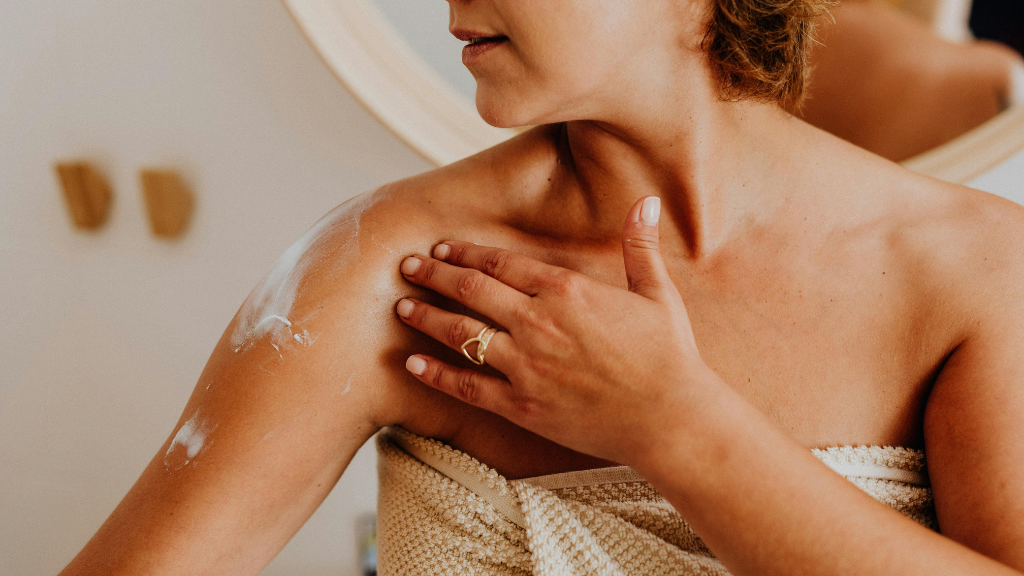
Body butter sounds fancy, but the truth is you can make it in your kitchen with three ingredients and a hand mixer. Even better, the exact same recipe that fills a single jar for your bathroom shelf can be scaled up into a small business that pays real money.
This guide walks you through both. You'll get a step-by-step recipe with the right ratios, a no-heat version that keeps more of the good stuff in your shea butter, troubleshooting for the most common problems, and a full breakdown of what it takes to sell body butter legally and profitably in the US.
We've been supplying bulk shea butter and carrier oils to small business owners across the country for more than 25 years, so we'll also share what we've learned from watching thousands of customers turn this recipe into a working brand.
What You Need to Make Body Butter
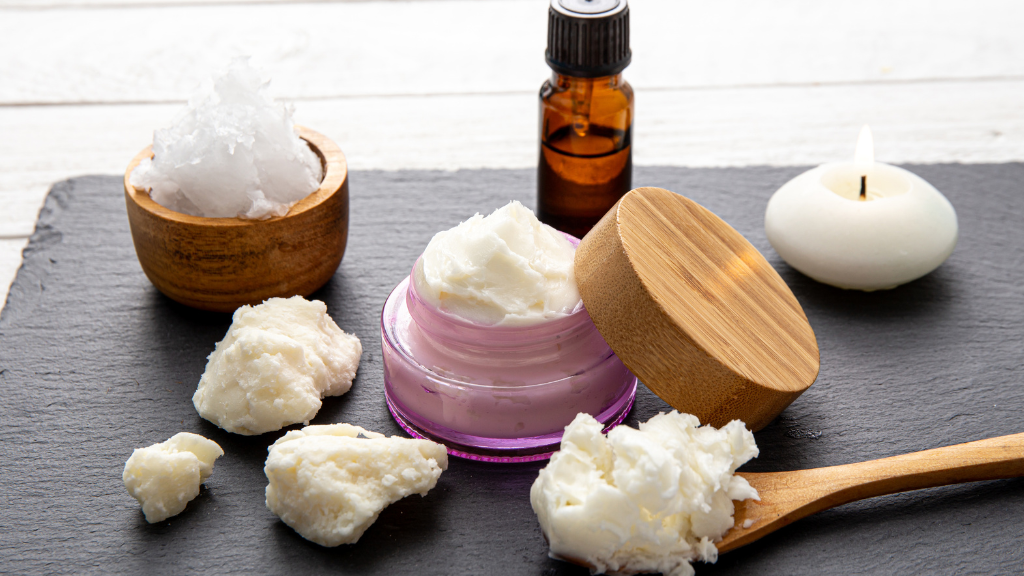
This base recipe makes about one cup of finished body butter, which fills three to four small jars.
Core ingredients:
- ½ cup shea butter
- ¼ cup coconut oil
- ¼ cup liquid carrier oil (sweet almond, jojoba, grapeseed, or olive)
Optional add-ins:
- 1 tsp vitamin E oil (helps slow oxidation and extends shelf life)
- 20 to 30 drops of essential oil or fragrance oil for scent
- 1 to 2 tsp arrowroot powder or tapioca starch to reduce greasiness
Tools:
- Double boiler, or a heat-safe bowl set over a small pot of simmering water
- Hand mixer or stand mixer
- Glass jar with a tight-fitting lid for storage
- Digital kitchen scale (you'll want this if you ever plan to scale up)
If you're starting out, buy your shea butter in a 1 lb bag. If you already know you want to sell, jump to a 5 lb block or a 25 lb case and your cost per jar drops sharply.
Picking the Right Shea Butter
Not all shea butter is the same, and the type you pick changes how your finished body butter looks, smells, and feels.
Unrefined shea butter: keeps its natural ivory-to-yellow color, its nutty earthy scent, and the full nutrient profile, including vitamins A and E and the fatty acids that make it so good for dry skin. Pick this if you want to market a natural, raw, or wellness-focused product. Many sellers choose unrefined shea butter for exactly this reason.
Refined shea butter: has been processed to remove the color and most of the scent. The texture is smoother and more consistent batch to batch, which is helpful if you're selling a scented product and want your fragrance to come through cleanly.
Yellow shea butter: gets its color from borututu, an African bark traditionally added during processing. It has a stronger earthy smell and a loyal following among customers who want the most traditional version.
All three work for body butter. Pick based on what you want your finished product to look and smell like.
Choosing Your Carrier Oil
The liquid oil in your recipe matters more than people think. It changes how the body butter feels on the skin and how fast it absorbs.
- Jojoba oil: is closest to the skin's natural sebum, so it absorbs cleanly and works for almost every skin type
- Sweet almond oil: is rich in vitamin E, soothing, and one of the most affordable options for production
- Grapeseed oil: is light, fast-absorbing, and has a low comedogenic rating, which makes it a good pick for face-friendly body butters
- Coconut oil: is rich and adds firmness, but it can clog pores for some skin types and gives the finished product a faint coconut smell unless you use refined coconut oil
- Olive oil: is heavier and works well for very dry skin, though it can leave a slightly greasy finish
For your first batch, sweet almond or jojoba are the easiest to work with.
How to Make Body Butter Step by Step
Here's the full process. Read it through once before you start, because the timing on the cooling step matters.
- Melt. Add the shea butter and coconut oil to a double boiler over low heat. Stir until fully melted. Do not let it boil. High heat damages the fatty acids and vitamins that make shea butter worth using in the first place.
- Cool. Take the mixture off the heat and let it rest for 10 to 30 minutes. You want it to start turning opaque but still be soft and pourable.
- Add oils and scent. Stir in your liquid carrier oil, vitamin E if you're using it, and your essential or fragrance oils.
- Chill. Move the bowl to the fridge for about an hour. You want it semi-firm, like cold butter, not rock hard. If it sets too much, leave it on the counter for 10 to 15 minutes to soften before you whip.
- Whip. Use a hand mixer on high for 4 to 6 minutes until the mixture turns light, fluffy, and pale. It should look like buttercream frosting. If you're using arrowroot powder, add it now.
- Jar and store. Spoon the finished body butter into a clean glass jar, seal it tight, and store it somewhere cool and dry.
That's it. The whole process takes about 90 minutes start to finish, and most of that is hands-off waiting time.
The No-Heat Method
If you want to keep the most nutrients in your shea butter, skip the melting step. Heating shea butter, even gently, removes some of its potency. The no-heat method preserves more of the vitamins and fatty acids that make the finished product work on dry skin.
Here's how:
- Bring your shea butter to room temperature so it's soft but not melted
- Put it in a mixing bowl and mash it with a fork
- Add your carrier oils and any fragrance, and mash again until evenly mixed
- Whip with an electric mixer on medium to high for 3 to 6 minutes until the texture is light and fluffy
- Spoon into a clean jar
The finished texture is slightly denser than the melted-and-whipped version, but the skincare value is higher. Some sellers offer both versions and let customers pick.
How to Make Whipped Body Butter
The difference between regular body butter and whipped body butter is air. Whipping incorporates air into the mixture, which gives you that light, fluffy, cloud-like texture that looks great in a jar and feels smooth on the skin.
You can get there in two ways. The melt-and-whip method gives you a glossier, silkier finish. The no-heat method gives you a denser, more nutrient-rich result.
One trick most recipes leave out: do a second whip about 15 minutes after the first. Let the mixture rest, then whip it again for another minute or two. The texture comes out noticeably smoother.
Troubleshooting Common Body Butter Problems
Even with a simple recipe, things can go sideways. Here's how to fix the most common issues.
My body butter is grainy
This happens when the shea butter cools too slowly and the fatty acids re-crystallize unevenly. The fix is to re-melt your batch fully, then cool it quickly in the fridge or freezer instead of letting it sit on the counter. Fast cooling keeps the crystals small and the texture smooth.
My body butter is greasy
All-oil body butters take longer to absorb than water-based lotions, so a little greasy feel is normal. If it's too much, add 1 teaspoon of arrowroot powder or tapioca starch right before you whip. You can also tell customers to apply it to damp skin straight after a shower, which speeds up absorption.
My body butter melts in warm weather
Shea butter and coconut oil both soften above 76°F. If your kitchen or your customer's bathroom runs warm, your body butter will get soft. Two fixes: swap half the shea butter for cocoa butter, which holds its shape at higher temperatures, or tell customers to store it in the fridge during summer. If you're shipping orders in summer, consider a small ice pack in the box.
My whipped body butter went flat
Usually, this means you chilled too long before whipping, or you whipped in a warm room. Re-chill the mixture until it's semi-firm again and whip in a cool kitchen. If you're whipping in summer, run the mixer for less time and check the texture often.
How to Make Body Butter to Sell

Selling body butter is one of the most common ways small business owners get started in the natural beauty space. The startup cost is low, the product is easy to ship, and customers come back when they like what they get. Here's what you need to know to do it right.
Scaling Your Recipe for Production
The home recipe makes about one cup of finished body butter, which fills three to four 4-oz jars. To plan a real batch, work backwards from your jar count.
A useful starting calculation: 50 jars at 4 oz each is roughly 12.5 pounds of finished product. At the standard ½ + ¼ + ¼ ratio, that's about 6.25 lbs of shea butter, 3.1 lbs of coconut oil, and 3.1 lbs of carrier oil.
Two pieces of advice from sellers who've scaled up:
- Weigh, don't measure. Once you're past two or three batches, switch from cups to a digital scale. Volume measuring gets inconsistent fast at scale.
- Document everything. Write down every change you make to a recipe and the result. Your best-selling scent six months from now will be a recipe you can't reproduce if you didn't write it down.
Pricing Your Body Butter
Handmade 4 oz body butter typically sells at retail between $12 and $25 a jar, depending on positioning, packaging, and scent. If you wholesale to other retailers, expect to sell at around 50% of your retail price.
Work backwards from your wholesale price. Your costs are: ingredients, jar, label, and your time. If you can't make a profit selling at 50% off retail, your costs are too high or your retail price is too low.
This is where buying ingredients wholesale actually changes the maths. A 1 lb retail jar of shea butter costs roughly the same as 5 lbs of shea butter bought wholesale. Most sellers who run the numbers move to bulk sourcing fast.
Labeling and FDA Rules
This is where most new sellers get nervous. The rules are not as complicated as they look.
Under the Federal Food, Drug, and Cosmetic Act, which was updated by the Modernization of Cosmetics Regulation Act in 2022, body butter sold to the public is classed as a cosmetic. That means:
- Your label must show the product identity (what it is), the net weight, the ingredient list in descending order by amount, and the name and address of the manufacturer or distributor
- Cosmetic claims like "moisturizes" or "softens skin" are fine
- Drug claims like "treats eczema," "heals psoriasis," or "cures stretch marks" are not. Making those claims turns your product into an unapproved drug, which is a real legal problem
Some states have additional rules above certain sales thresholds. Florida, for example, has a cosmetic manufacturer registration requirement once you cross $25,000 in annual sales. Check your own state's rules before you launch.
This is general information, not legal advice. Look up current FDA guidance and your state regulations before you sell.
Packaging That Sells
Packaging is often where small sellers either look like a real brand or look like a craft fair hobby. A few things that move the needle:
- Glass jars look more premium than plastic and also protect the oils from light, which extends shelf life
- 2 oz jars work well for samples and gift sets, 4 oz and 8 oz are the sweet spot for retail
- Clean, simple labels with a clear scent name sell better than crowded designs with lots of small text
- Include a "best by" date even though the FDA does not require it. Customers expect to see one, and it builds trust
If you're scenting your body butter for sale, pick fragrances that match the season and your target customer. We stock more than 1,100 fragrance oils and can help you pick scents that sell.
How Long Does Homemade Body Butter Last?
An oil-based body butter with no water in the recipe typically lasts 6 to 12 months stored in a cool, dry place. Adding vitamin E oil extends that by slowing oxidation in the carrier oils.
If you open a jar and it smells off, sharp, or rancid, throw it out and make a fresh batch. That smell means the oils have gone bad, and no customer is going to thank you for selling it.
For products you sell, run small frequent batches instead of one big batch that sits on a shelf for months. Fresh products are part of what customers are paying for.
Where to Buy Body Butter Ingredients in Bulk
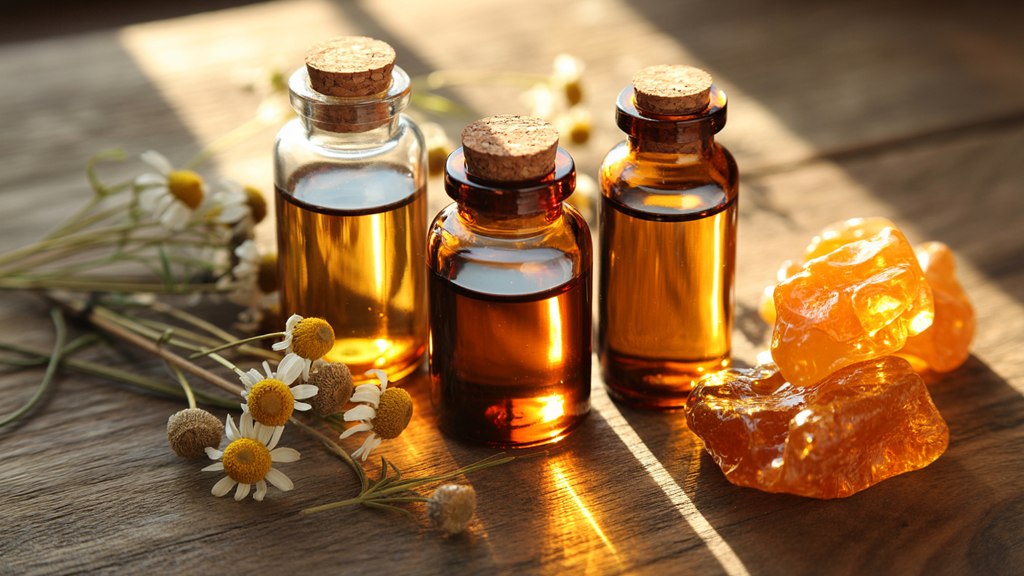
When you're making one jar at home, ingredient cost barely matters. When you're making 50 jars to sell, it's the difference between making money and losing money.
Buying shea butter, coconut oil, and carrier oils wholesale drops your cost per jar by a wide margin. Africa Imports stocks bulk shea butter in 1 lb bags, 5 lb blocks, and 25 lb cases, plus a full range of coconut oil, sweet almond oil, jojoba oil, fragrance oils, and other body butters like cocoa, mango, and avocado butter for skin and hair. Low minimums mean you can start small and scale up at your own pace.
We've been supplying small business owners across the US for more than 25 years. Over half of our profits fund schools, medical care, and skills training in Africa, so when you order from us, you're helping build a business at home and supporting real charitable work at the same time.
Health and Safety Disclaimer
The information in this article is for educational purposes only. Body butter made with shea butter, coconut oil, and carrier oils is a cosmetic, not a medical product. The ingredients discussed here are not intended to diagnose, treat, cure, or prevent any disease or skin condition. Individual results may vary.
If you have sensitive skin, allergies, or a skin condition like eczema or psoriasis, do a small patch test on the inside of your wrist 24 hours before using a new body butter on a larger area. Stop using the product if you notice redness, itching, or irritation.
If you plan to sell body butter, follow current FDA cosmetic labeling rules and your state's regulations. Avoid making any claims that your product treats, cures, or prevents a medical condition. This article is not legal advice. Consult a qualified professional before launching a cosmetic product for sale.
Frequently Asked Questions
How do I make my own body butter?
Combine ½ cup shea butter, ¼ cup coconut oil, and ¼ cup liquid carrier oil in a double boiler. Melt over low heat, cool until semi-firm, add any scent or vitamin E, then whip with a hand mixer for 4 to 6 minutes until light and fluffy. Store in a clean glass jar.
How do you make body butter for beginners?
Stick to three ingredients on your first batch: shea butter, coconut oil, and one carrier oil like sweet almond. Skip the essential oils until you've nailed the texture. Make one cup total at the ½ + ¼ + ¼ ratio so you have enough to test but not so much you waste ingredients if the first try isn't right.
How do you make whipped body butter?
Make your body butter as normal, then chill the mixture in the fridge for about an hour until it's semi-firm. Whip on high with a hand mixer for 4 to 6 minutes. The whipping adds air, which gives you that light, fluffy, cloud-like texture. For an even smoother finish, do a second short whip about 15 minutes later.
What are the common mistakes when making body butter?
The four most common ones are: overheating the shea butter (which destroys nutrients), cooling too slowly (which causes graininess), whipping too soon or too late (which gives you a flat or hard texture), and using too much liquid oil in the mix (which makes it greasy). Stick to the ratios, watch your heat, and chill until semi-firm before whipping.
Can I sell homemade body butter legally in the US?
Yes, as long as you follow FDA cosmetic labeling rules and avoid drug claims. Your label needs the product name, net weight, ingredient list, and your business name and address. You can say it moisturizes or softens skin. You cannot say it treats or cures any condition. Some states have additional rules at higher sales levels, so check your state too.
How much does it cost to make a jar of body butter?
At wholesale ingredient prices, a 4 oz jar of body butter usually costs $2 to $5 to make, including the jar and label. That number changes based on which shea butter, carrier oil, and fragrance you pick, and on how much you buy at once. Buying in bulk makes the biggest difference to your per-jar cost.
What's the difference between body butter and lotion?
Body butter is oil-based and thick. Lotion is mostly water with some oil mixed in, which is why it pours and absorbs faster. Body butter is heavier on the skin and lasts longer between applications. Lotion is lighter and easier to apply, but needs preservatives because water can grow mold.
Which butter is best for sensitive skin?
Unrefined shea butter has the lowest risk for most sensitive skin types because it has no added fragrance, no preservatives, and a low comedogenic rating. Always do a small patch test on the inside of your wrist before using a new product on a larger area. If you're selling to customers, an unscented option is worth keeping in your range for sensitive-skin buyers.
From Your Kitchen to Your First Sale
Making body butter is one of those skills that gets easier every time. Your first batch might be a little grainy or a little too soft. Your fifth batch will be smooth, fluffy, and exactly the texture you want. By the time you're on batch fifty, you'll be sourcing wholesale, pricing for profit, and shipping orders out the door.
The recipe is the easy part. The business side is where most sellers need real support, and that's where we come in. Take a look at our full range of butters, essential oils, and fragrances when you're ready to start.