 USD
USD  GBP
GBP  CAD
CAD  AUD
AUD 
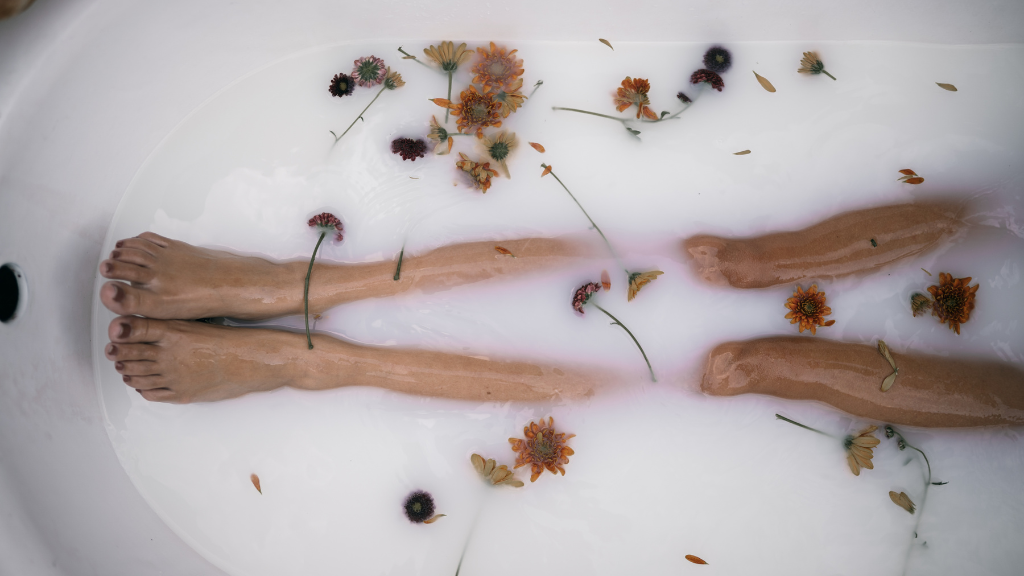
A warm soak feels good after a long day; especially one mixed with some bath salts and essential oils to heal aching muscles and boost relaxation. Many people search for Dead Sea salt because they want to know if it does more than the regular kind. The short answer is that it might. Dead Sea salt holds a different mix of minerals than table salt or basic sea salt, and some of those minerals have been studied for how they affect dry skin.
Here's a clear look at what bathing in Dead Sea salt can do, how to do it the right way, and how small business owners can turn bath products into a steady seller.
What Makes Dead Sea Salt Different
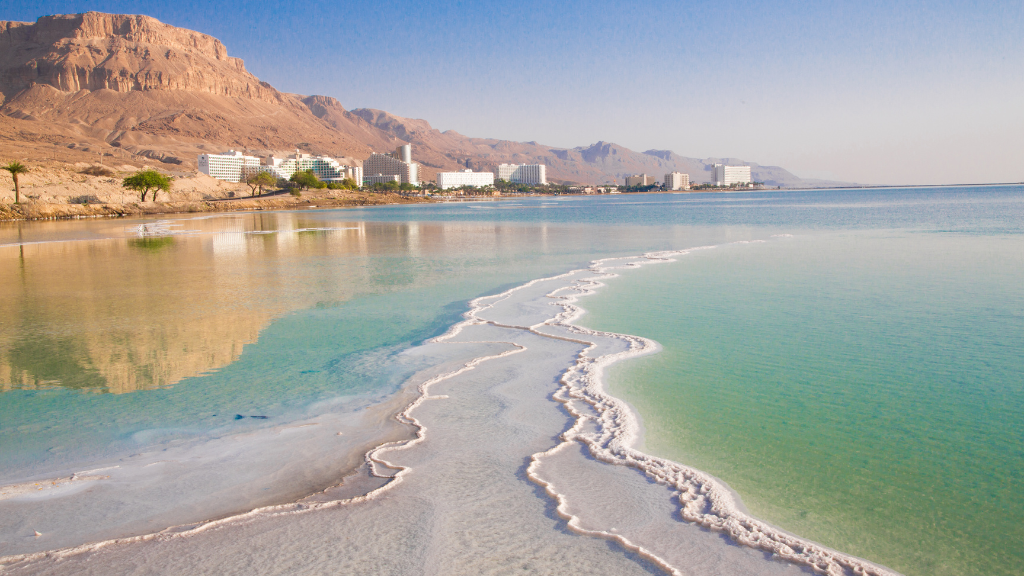
Most salt is mostly sodium chloride. Dead Sea salt is not. It carries a higher share of magnesium, calcium, potassium, and bromide, with less sodium chloride than the salt in your kitchen. That mineral mix is the reason it gets so much attention for skin and soaking.
The salt comes from the Dead Sea, a salt lake that sits between Israel, Jordan, and the West Bank. The water there is far saltier than the ocean, which is why the minerals are so concentrated. When you stock or sell these salts, that mineral content is the part your customers care about most.
If you want to offer them to your own customers, we offer wholesale pricing on all products, allowing you to buy larger quantities for less.
What Bathing in Dead Sea Salt Can Do for Your Skin

The strongest evidence points to dry skin. A 2005 clinical study published in the International Journal of Dermatology found that soaking in a magnesium-rich Dead Sea salt solution may help improve skin hydration and support the skin barrier in people with dry skin. Researchers also saw less redness and roughness in the people who soaked.
So what does that mean for a normal bath at home? Research suggests a Dead Sea salt soak may help:
- Add moisture to dry, tight skin
- Calm redness and rough patches
- Soothe skin for some people who deal with eczema or psoriasis
That last point needs care. A salt bath is not a treatment or cure. Some people with eczema or psoriasis say it helps them feel more comfortable, but it works alongside their doctor's advice, not in place of it.
Easing Sore Muscles and Tension
Magnesium and bromide are often linked to muscle relaxation, and many people reach for a warm mineral soak after a hard workout or a stressful week. The science here is thinner than the skin research, so it's fair to say many people find a warm Dead Sea salt bath relaxing rather than promising a fixed result. Either way, the wind-down ritual is a big part of why people keep coming back to it.
At the end of a hard day, particularly if you exercise, your muscles can feel tight and tense. Bathing helps to loosen and relax the muscles, soothing aches and pains, which is also why many people run a bath for congestion and body aches when a cold hits.
How to Take a Dead Sea Salt Bath
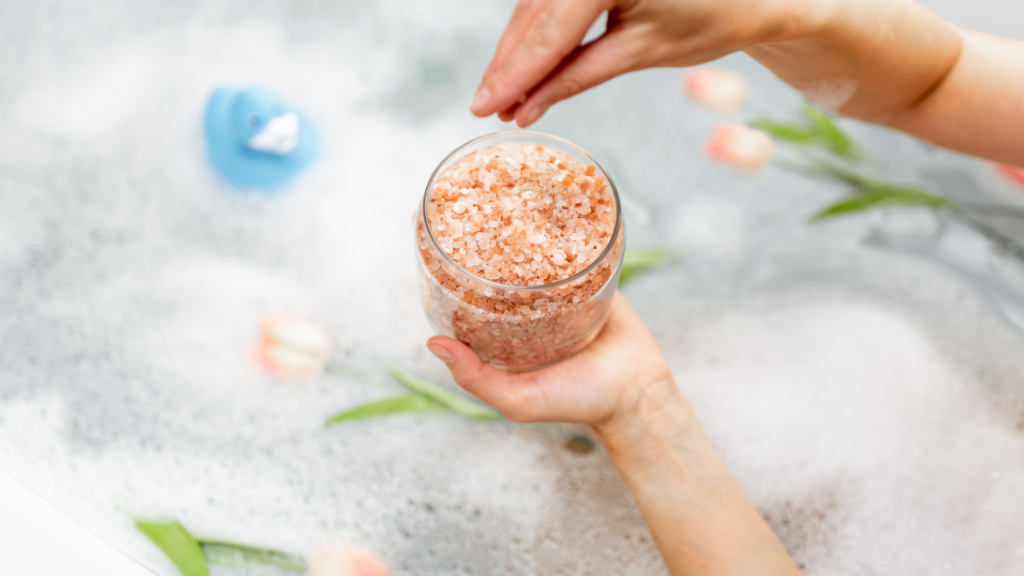
You don't need much to get the benefits. Here's a simple way to do it:
- Run a warm bath. Aim for water around 95°F, which is warm but not hot.
- Add the salt. Sources vary, so use somewhere between a quarter cup and one cup per bath. Start small if it's your first time.
- Stir the water so the salt dissolves.
- Soak for 15 to 20 minutes.
- Rinse off lightly with clean water when you're done.
- Pat your skin dry and put on a moisturizer or body oil while your skin is still damp. This locks in the hydration.
For that last step, a rich plant butter, such as shea, works well, and a light carrier oil, such as jojoba or sweet almond, is easy to spread on damp skin.
How Often Should You Soak
For general relaxation, a few times a week is fine for most people. If your skin runs dry or is sensitive, once or twice a week is a better starting point. Pay attention to how your skin feels and adjust from there.
Safety Tips Before You Soak
A salt bath is gentle for most people, but a few rules keep it that way:
- Skip the salt if you have open cuts, wounds, or a bad skin flare-up. Salt will sting broken skin.
- Drink water before and after your soak so you stay hydrated.
- Do a quick patch test first if your skin is sensitive.
- Talk to a doctor before starting salt baths if you have a chronic condition like eczema, psoriasis, or any heart or kidney issue.
Dead Sea Salt vs Epsom Salt
People often mix these two up. Here's the difference in plain terms:
- Epsom salt is magnesium sulfate. It isn't really a salt at all, just a mineral compound that happens to look like one.
- Dead Sea salt holds a broader mineral mix, including magnesium, calcium, potassium, and bromide, plus sodium chloride.
Both are used for soaking. If you mainly want magnesium, Epsom salt is the cheaper route. If you want the wider mineral range that the skin studies looked at, Dead Sea salt is the one to reach for.
Selling Bath and Body Products in Your Business
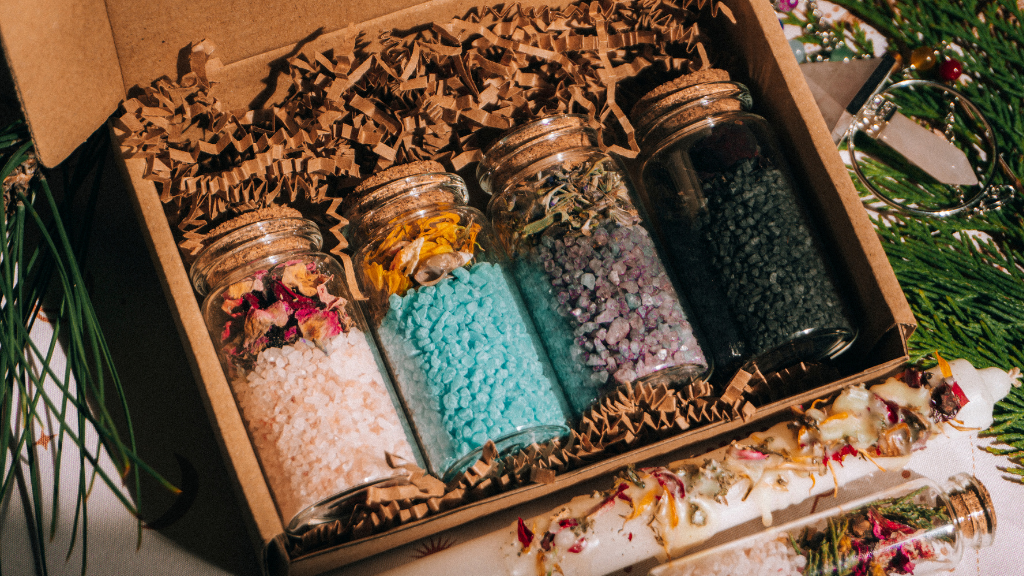
Bath salts are one of the easier products to add to a small product line. They're low-cost, they don't spoil quickly, and they're simple to repackage into smaller jars or muslin bags for fairs, pop-ups, and online shops.
A few ways to build margin and repeat sales:
- Make a salt scrub. Mix bath salts with a carrier oil to create a body scrub you can sell at a higher price point than plain salt.
- Build themed sets. Pair salts with a shea butter bar or a small bottle of body oil as a ready-made gift bundle.
- Store it right. Keep salts dry, cool, and sealed so they don't clump. Tell your customers to do the same.
- Buy in bulk. Wholesale pricing and low minimum orders let you test a small batch before you commit to a bigger run.
This is a smart product for a new seller to start with because the setup cost is low and the markup on a finished scrub or gift set can be strong.
Health and Safety Disclaimer
The information in this article is for general education only and is not medical advice. Dead Sea salt is not a treatment or cure for any skin or health condition, and these statements have not been evaluated by the Food and Drug Administration. If you have a chronic condition such as eczema or psoriasis, talk to a doctor or dermatologist before adding salt baths to your routine.
Frequently Asked Questions
What happens when you bathe in Dead Sea salt?
Your skin soaks in a warm mineral solution. Research suggests that magnesium and other minerals may help add moisture to dry skin and support the skin barrier. Many people also find the warm soak relaxing for tired muscles.
How do you use Dead Sea salt in a bath?
Add a quarter cup to one cup of salt to a warm bath, stir until it dissolves, and soak for 15 to 20 minutes. Rinse lightly, then moisturize while your skin is still damp.
How often can you bathe in Dead Sea salt?
A few times a week is fine for most people. If your skin is dry or sensitive, start with once or twice a week and see how it reacts.
Does Dead Sea salt draw out infection?
There's no strong evidence that Dead Sea salt "draws out" infection. If you have an open wound or a possible infection, keep salt away from the area and see a doctor.
Is Dead Sea salt the same as Epsom salt?
No. Epsom salt is magnesium sulfate, while Dead Sea salt has a wider mineral mix that includes magnesium, calcium, potassium, and bromide. Both are used for soaking, but their mineral content is different.
Ready to Stock Bath Salts for Your Business?
Bath salts are a simple, low-cost product to add to your line, and they sell well at fairs, pop-ups, and online. Shop the Africa Imports wholesale Bath Salts range to buy in bulk, repackage into your own jars, and resell with healthy margins. Low minimum orders make it easy to test a small batch first.
And every order does more than fill your shelves. A large part of our profits go to charitable work in Africa, funding schools, medical care, and skills training. So when your customers buy from you, they're helping support real communities too.