 USD
USD  GBP
GBP  CAD
CAD  AUD
AUD 
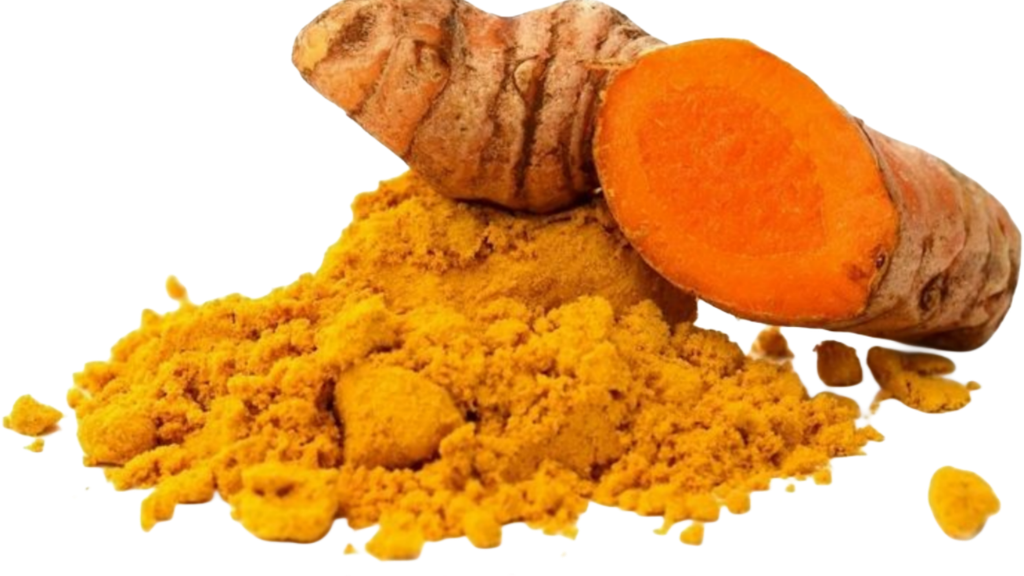
Turmeric is everywhere right now. It's in lattes, face masks, supplements, and soap. But what does the science actually back up, and what's just marketing? Here's the honest answer.
Most of turmeric's reported benefits come from one compound called curcumin. Researchers have studied curcumin for its anti-inflammatory and antioxidant action, and the results are promising for a few specific areas. Curcumin is also hard for the body to absorb on its own, which is why people pair it with black pepper or a healthy fat.
Below, we walk through the 10 evidence-backed benefits of turmeric, what the research really suggests, and where you should stay cautious. We've kept the health claims careful and grounded, because that's what your customers deserve too.
And if you sell or formulate wellness products, you'll find practical takeaways throughout. Turmeric is one of the most recognized ingredients in the US wellness market, so knowing the facts helps you serve your own buyers better.
What Is Turmeric, and Why Curcumin Matters
Turmeric comes from the rhizome (the underground stem) of a plant called Curcuma longa. It's part of the same family as ginger, which is why the two often show up together in teas and tonics.
People have used turmeric in Ayurvedic and traditional Chinese medicine for thousands of years. In cooking, it's the spice that gives curry and golden milk their deep yellow color.
Here's the part that matters most. The main active compound in turmeric is curcumin, and it only makes up about 2 to 9 percent of turmeric powder. Almost all of the strong "science-backed" claims you read about come from studies on concentrated curcumin, not the spice you cook with.
So when you see a headline about turmeric curing something, remember the gap. Eating turmeric in food is healthy, but it's not the same dose used in clinical research.
10 Science-Backed Health Benefits of Turmeric
Here's what the research suggests, benefit by benefit. We've led each one with the claim, then backed it with the evidence, and added a practical note where it helps.
1. Turmeric May Help Fight Inflammation
This is turmeric's most studied benefit. Curcumin appears to block a protein called NF-kB, which plays a key role in switching on inflammation in the body.
Research suggests curcumin may be comparable to some anti-inflammatory drugs for certain conditions, though it works more gently and slowly. It's not a replacement for medication, and results vary from person to person.
Because inflammation sits behind so many health concerns, this is the benefit that made turmeric a favorite with wellness brands in the first place.
2. Turmeric Has Antioxidant Properties
Curcumin helps neutralize free radicals, the unstable molecules that can damage cells over time. Research suggests it may also help the body produce more of its own antioxidant enzymes, like superoxide dismutase.
That double action is why turmeric often shows up in skincare and anti-aging products. Protecting cells from everyday damage is a big part of keeping skin and tissue healthy as we get older.
3. Turmeric May Support Joint Health
If your customers ask about turmeric for one reason, it's usually this one. Research on osteoarthritis suggests curcumin may help reduce joint pain and stiffness.
Some studies even compared curcumin to ibuprofen and found similar pain relief in certain groups. The Arthritis Foundation has pointed to around 500 mg of curcumin extract taken twice daily in some studies, though anyone with a health condition should talk to their doctor first.
This makes turmeric popular with massage therapists, spa owners, and wellness retailers serving older or active clients.
4. Turmeric May Support Heart Health
Research suggests curcumin may help support endothelial function, which is the health of the lining of your blood vessels. Good endothelial function matters for healthy blood flow and blood pressure.
Curcumin may also help lower the inflammation and oxidation that contribute to heart disease over time. That said, turmeric is not a treatment for any heart condition. It should never replace prescribed medication or regular care from a doctor.
5. Turmeric May Support Brain Function
Curcumin may help raise levels of a protein called BDNF (brain-derived neurotrophic factor), which is linked to the growth and survival of brain cells. Higher BDNF is connected to learning, memory, and mood.
Some studies suggest curcumin could play a role in slowing age-related decline in brain function. Research into conditions like Alzheimer's is still early, though, and most of it comes from animal studies or small human trials. It's a promising area, not a proven cure.
6. Turmeric May Help With Mood and Depression Symptoms
Studies suggest curcumin may help raise serotonin and dopamine, two brain chemicals tied to mood. A few small studies have shown it may help reduce symptoms of depression in some people.
This is also where a common question comes up: Does turmeric lower cortisol, the stress hormone? Early research suggests it may help, but the evidence is limited, and the studies are small. Turmeric may help as part of a wider routine, but it isn't a fix for stress on its own.
7. Turmeric May Help Manage Blood Sugar
Clinical research suggests curcumin may help improve fasting blood glucose, HbA1c, and insulin sensitivity. That's useful background information to have when customers ask about turmeric and type 2 diabetes.
Here's the strict caution, though. Curcumin may lower blood sugar, so anyone taking diabetes medication should speak to their doctor before adding turmeric supplements. Combining the two without guidance could push blood sugar too low.
8. Turmeric May Support Skin Health
Turmeric has been used in skincare across Africa, India, and the Caribbean for centuries. Research suggests its anti-inflammatory and antibacterial effects may help with acne and skin irritation, and the turmeric benefits for skin are worth understanding before you build a product line around them.
A common question is whether turmeric can remove hyperpigmentation. The honest answer is no, it can't "remove" anything. But some research suggests curcumin may help fade the look of dark spots over time. Results take patience and steady use.
9. Turmeric May Support Digestive Health
Turmeric has a long history in Ayurvedic and African herbal practice as a digestive aid. Research suggests it may help support bile production and ease inflammation in the gut.
That's why turmeric often appears in herbal bitters formulas, paired with other digestive herbs. If you sell wellness blends, turmeric is a familiar ingredient that customers already trust.
10. Turmeric May Support a Healthy Weight
Curcumin may help with some markers of metabolic syndrome, which is a group of risk factors tied to weight, blood sugar, and heart health. So there's a real connection worth understanding.
But let's be clear, because this is where a lot of marketing goes wrong. Research here is mixed, and turmeric is not a weight loss product. It does not "burn fat." Turmeric may support the body in ways that help, but a balanced diet, regular movement, and good sleep still do the heavy lifting.
How to Get the Most From Turmeric
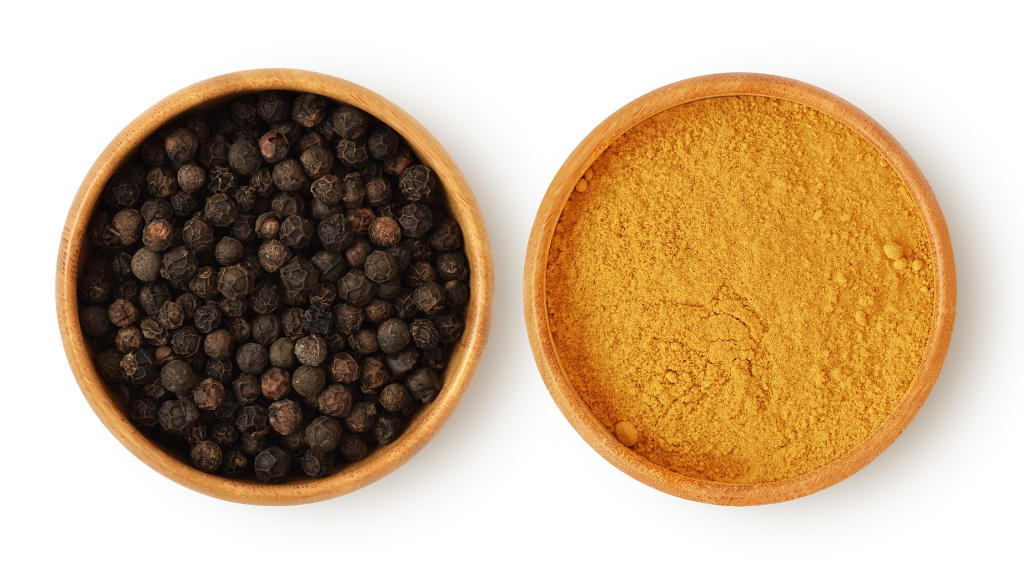
Turmeric's biggest weakness is absorption. On its own, curcumin doesn't pass into the bloodstream very well, so a lot of it goes to waste. The good news is that two simple pairings fix this.
First, pair turmeric with black pepper. Black pepper contains a compound called piperine that can increase curcumin absorption by a large amount. This is why so many recipes and supplements combine the two.
Second, pair turmeric with a healthy fat like coconut oil or olive oil. Curcumin is fat-soluble, so a little fat helps your body take it in.
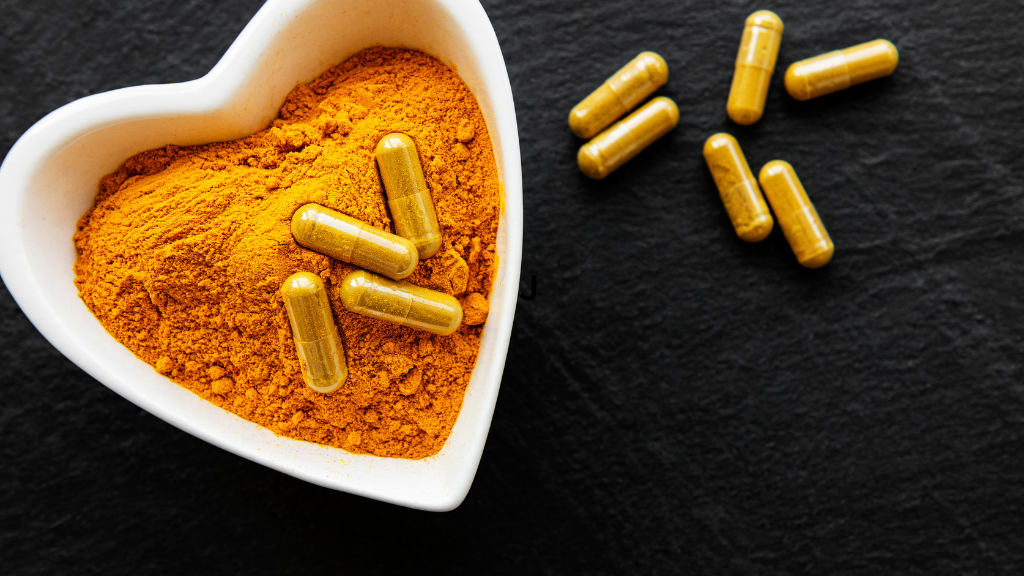
Turmeric comes in many forms, so there's something for every routine and every product line: powder, capsules, oil, soap, bitters, and tea. Golden milk, which is warm milk blended with turmeric and a pinch of pepper, is one of the easiest daily ways to use it.
Turmeric Side Effects and Who Should Be Careful
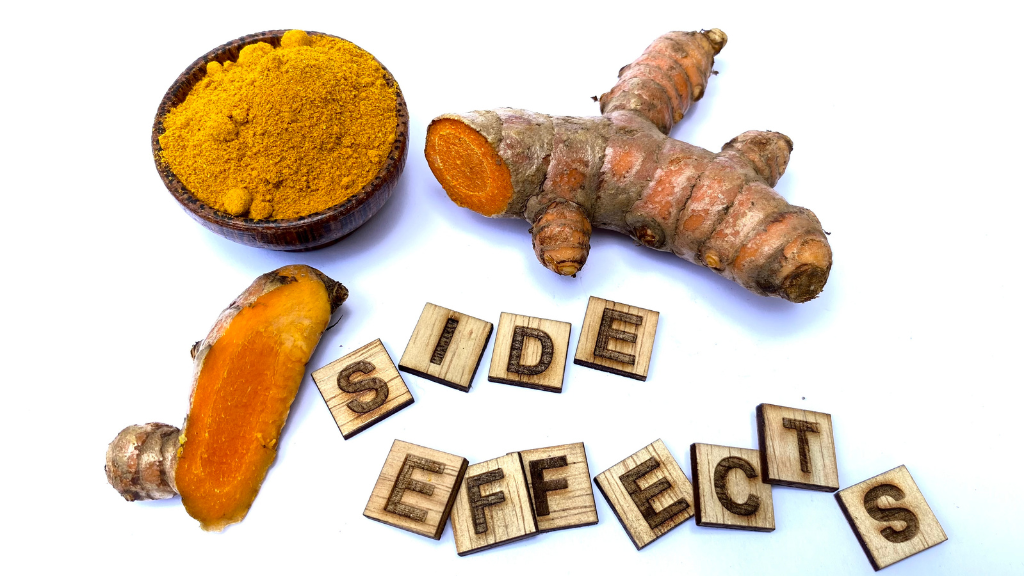
For most people, turmeric in food amounts is safe and well-tolerated. The cautions come with high-dose supplements, which deliver far more curcumin than cooking ever would.
High doses may cause stomach upset, nausea, diarrhea, or acid reflux in some people. A few specific groups should check with a doctor before taking high-dose turmeric or curcumin:
- People on blood thinners, since curcumin may slow blood clotting.
- People with gallbladder problems.
- People with kidney stones, because turmeric contains oxalate.
- People who are pregnant or breastfeeding.
- People with diabetes, since curcumin may lower blood sugar.
People with iron deficiency or hemochromatosis. Curcumin may bind to iron and reduce how much the body absorbs. That could help or harm depending on the person, so a doctor's input matters here.
When in doubt, food amounts are the safe starting point, and supplements are the conversation to have with a healthcare provider.
For Small Business Owners: Turning Turmeric Into a Product Line

The wellness market keeps growing, and turmeric is one of the most recognized ingredients in it. That recognition is a gift for resellers, because you don't have to educate customers from scratch. They already know the name and want the benefits.
Here are turmeric products worth stocking or formulating:
- Turmeric soap for skincare lines aimed at acne, dark spots, or sensitive skin.
- Turmeric powder for resellers, supplement makers, and herbal remedies.
- Turmeric oil for massage therapists, spa owners, and aromatherapy makers.
- Turmeric capsules for wellness retailers.
- Turmeric and soursop bitters for the herbal wellness niche.
A few tips to protect your margins and your customers:
- Buy in bulk to lower your per-unit cost and improve resale margins.
- Store turmeric powder in airtight containers, away from sunlight, in a cool dry place. It usually keeps well for 12 to 24 months.
- Add a usage guide or recipe card with each sale. It costs little and gives your brand extra value.
- Bundle turmeric with related sellers like black seed oil, sea moss, or ginger.
- Always use accurate, FDA compliant labeling on any product you reformulate or repackage.
Every wholesale order with us also helps fund schools, medical care, and skills training in Africa, so your product line supports real communities while it grows.
Health and Safety Disclaimer
The information in this article is for educational purposes only. Turmeric and curcumin products sold by Africa Imports are not intended to diagnose, treat, cure, or prevent any disease. The statements about potential health benefits have not been evaluated by the FDA. Always consult a healthcare provider before adding any supplement to your routine, especially if you are pregnant, breastfeeding, taking medication, or managing a health condition.
Frequently Asked Questions
What are the scientifically proven benefits of turmeric?
The most studied benefits of turmeric come from its active compound, curcumin. Research suggests turmeric may help reduce inflammation, support joint health, protect against oxidative stress, support heart and brain function, and help manage blood sugar.
Most of the strong evidence centers on osteoarthritis pain and chronic inflammation. Studies are ongoing for other uses, and the strongest results come from concentrated curcumin extracts rather than the turmeric powder used in cooking.
What are the benefits of turmeric and baking soda?
Some people combine turmeric and baking soda in face masks. The baking soda works as a mild exfoliant, while turmeric is added for its anti-inflammatory and antibacterial properties. Baking soda can be too alkaline for some skin types, so it's wise to do a patch test first. For dark spots or acne, a gentle turmeric soap may be a safer daily option than a homemade mask.
Can turmeric and ginger help with weight loss?
Turmeric and ginger are both popular in wellness drinks like teas and tonics. Both have anti-inflammatory properties and may support digestion, which some people find helpful when working toward a healthy weight. But neither herb is a weight loss product on its own. Real weight management depends on a balanced diet, regular movement, and good sleep. Turmeric and ginger may support overall wellness, but they're not a substitute for the basics.
Does turmeric help lower cortisol?
Some early research suggests curcumin may help reduce cortisol levels and support mood. The studies are small, though, and more research is needed. People dealing with high stress shouldn't rely on turmeric alone, since sleep, movement, and stress management have a much bigger impact. Turmeric may help as part of a wider wellness routine.
Can turmeric remove hyperpigmentation?
Turmeric won't "remove" hyperpigmentation, but some research suggests curcumin may help fade the look of dark spots over time. It has antioxidant and anti-inflammatory properties that may help even out skin tone. Results take patience and consistency, often weeks to months. A turmeric soap used regularly may be a good starting point.
Can I take turmeric if I have hemochromatosis?
People with hemochromatosis should speak with their doctor before adding turmeric supplements. Some research suggests curcumin may bind to iron and reduce its absorption, which could be helpful or harmful depending on the individual. Food amounts of turmeric are usually fine, but high-dose supplements should always be checked with a healthcare provider first.
What are the side effects of turmeric?
Most people tolerate turmeric well in food amounts. Higher doses, especially in supplements, may cause nausea, stomach upset, diarrhea, acid reflux, or a skin rash in some people. People on blood thinners, those with gallbladder issues, kidney stones, iron deficiency, or who are pregnant should check with a doctor before taking high-dose turmeric supplements. Stop use and contact a healthcare provider if you notice symptoms like dark urine, fatigue, or jaundice.
Where Turmeric Fits in Your Product Line
Turmeric has real, research-backed potential, but it isn't a cure-all. The strongest evidence points to inflammation and joint support, with promising early research in other areas. The best results come from steady use, smart pairings like black pepper and healthy fats, and honest expectations.
For wellness business owners, that honesty is your edge. Customers already know turmeric and want it, so your job is to give them a product they can trust and clear guidance on how to use it.
Ready to stock up? Shop the Africa Imports turmeric range in bulk, and know that every order helps fund schools, medical care, and skills training in Africa.